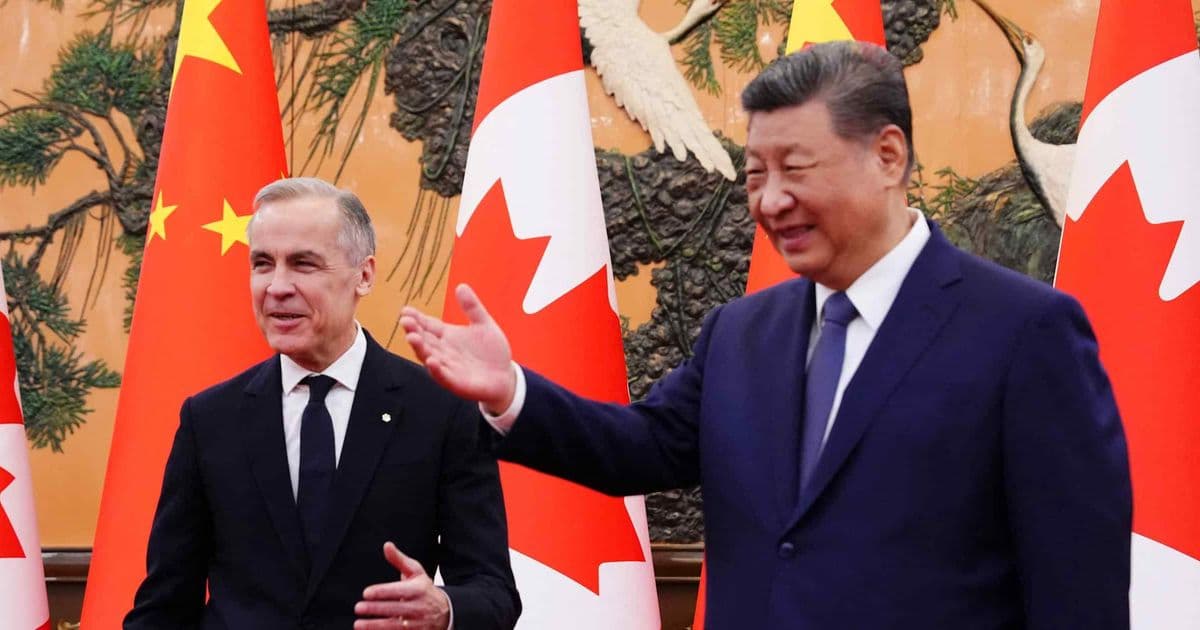
Chinese President Xi Jinping and Canadian Prime Minister Mark Carney have initiated a comprehensive economic reset with new cooperation agreements spanning energy, technology, and agriculture.
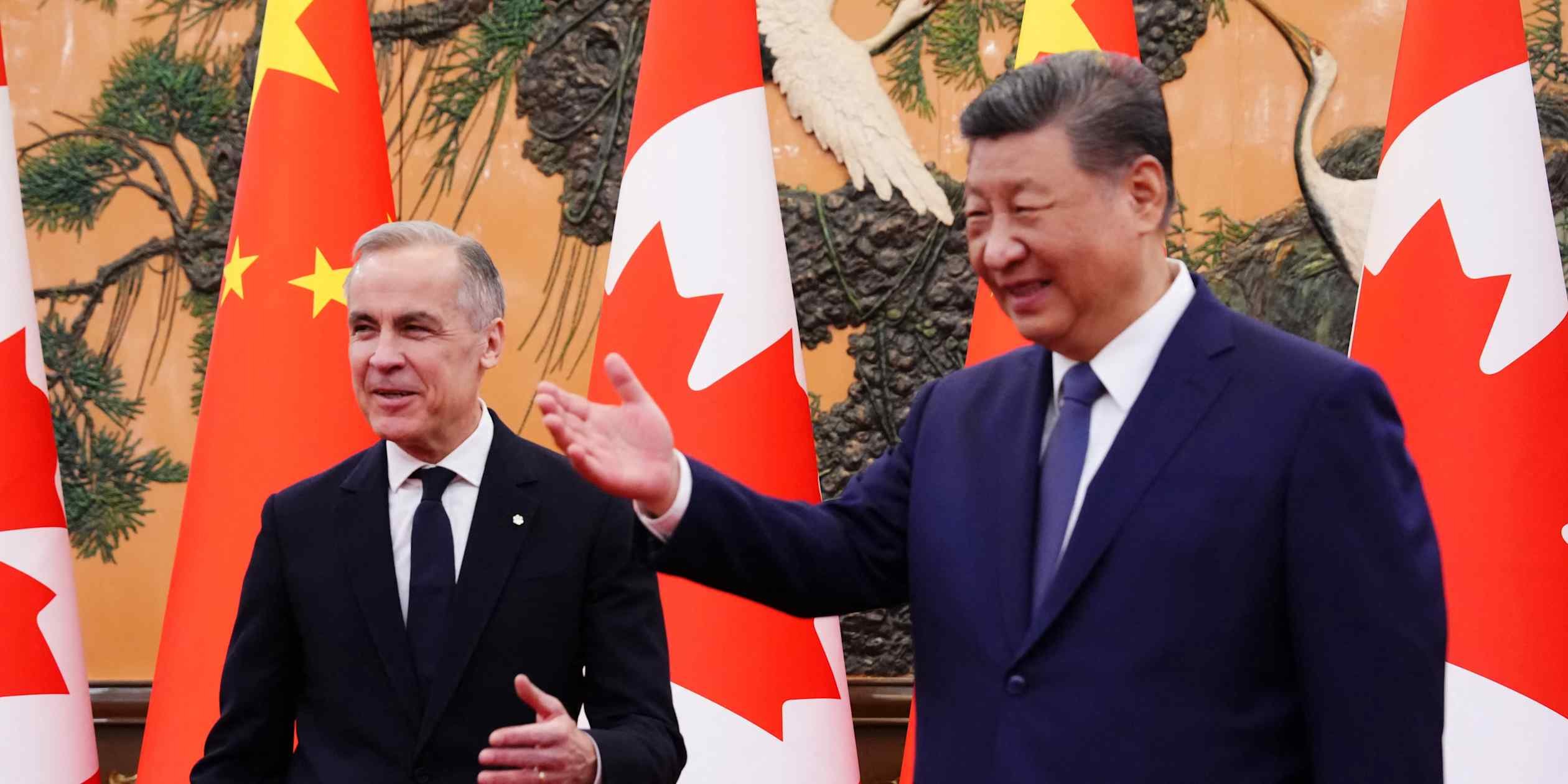
Chinese President Xi Jinping and Canadian Prime Minister Mark Carney announced a "new type of strategic partnership" during high-level talks in Beijing, marking a significant thaw in bilateral relations strained by years of diplomatic tensions. The agreements signal a mutual effort to diversify trade relationships as both nations navigate complex geopolitical pressures.
Strategic Economic Reset
The partnership framework specifically targets expansion in three critical sectors:
- Energy: Canada seeks new export markets for its oil and liquefied natural gas amid declining US purchases, while China aims to secure stable energy supplies
- Technology: Joint R&D initiatives in AI and clean technology, alongside potential easing of restrictions on Canadian tech firms operating in China
- Agriculture: Restoration of Canadian agricultural exports to Chinese markets, including canola and pork shipments previously disrupted by trade disputes
Market Context
This diplomatic shift occurs against a backdrop of significant economic pressures:
- Canada's export dependency on the US has decreased from 76% to 68% since 2020
- China currently accounts for less than 5% of Canada's total exports despite being its second-largest trading partner
- Bilateral trade reached $105 billion CAD in 2025, still below pre-2020 levels
Strategic Implications
- US Factor: The partnership provides Canada economic insulation against potential US trade policy shifts under future administrations
- Supply Chain Diversification: China gains alternative North American foothold for advanced technology and resource access
- Agricultural Security: Canada becomes positioned as a stable food supplier to China amid global climate disruptions
- Energy Independence: Both nations reduce vulnerability to Middle Eastern energy volatility
Technology transfer negotiations remain delicate, particularly regarding intellectual property protections and telecommunications infrastructure. Industry analysts note Huawei's suspended Canadian 5G projects could serve as initial test cases for renewed technological cooperation.
The agreements establish joint working groups to finalize sector-specific terms by Q3 2026, with preliminary agricultural market access expected within 90 days. This structured approach reflects both leaders' caution despite the partnership's ambitious scope.
Broader Impact
This recalibration potentially reshapes North American trade corridors, with Canadian energy exports to China projected to increase by 40% within two years if infrastructure permits. The partnership also creates pressure points for US manufacturers competing in advanced technology sectors where Canadian firms may gain preferential access to Chinese markets.
Comments
Please log in or register to join the discussion