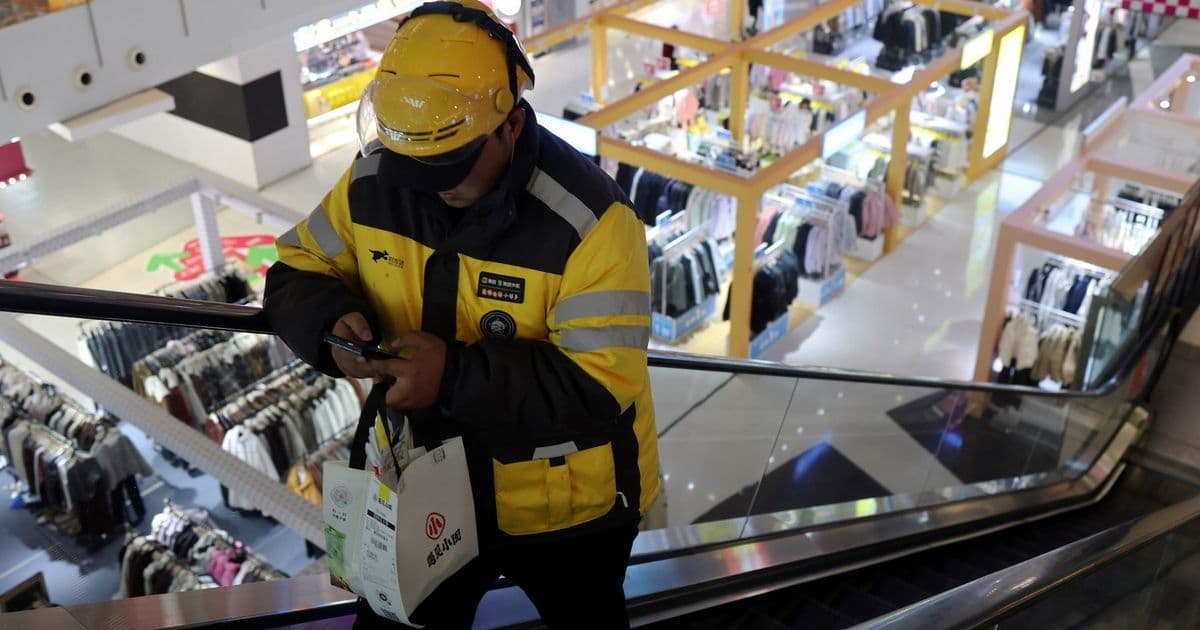
China has launched an antitrust probe into the country's dominant food delivery platforms, including Meituan and Alibaba's Ele.me, targeting the aggressive discounting and subsidy-driven competition that regulators say is contributing to broader economic deflation.
China's market regulator has initiated a formal investigation into competitive practices among major online food delivery platforms, signaling a significant escalation in government efforts to curb price wars that have extended beyond individual sectors and into the wider economy. The probe, announced by the State Administration for Market Regulation (SAMR), focuses on platforms operated by industry leaders Meituan and Alibaba Group's Ele.me.
The investigation centers on allegations of predatory pricing, exclusive dealing arrangements, and other anti-competitive behaviors that have driven delivery fees and restaurant prices down artificially. While deep discounts and subsidies have long been a staple of China's tech sector competition, regulators are now viewing these tactics through a macroeconomic lens. The relentless price cutting in food delivery is seen as a contributing factor to deflationary pressures that have been building across China's economy, affecting everything from consumer goods to services.
Meituan, which holds approximately 65% of the market share, and Ele.me, with around 30%, have engaged in a prolonged battle for market dominance. This has manifested in massive subsidy programs, discounted meal deals, and reduced commission rates for restaurants. While consumers initially benefit from lower prices, regulators argue this model is unsustainable and ultimately harms the ecosystem. Restaurants face pressure to join platforms and accept lower margins, while the platforms themselves burn through capital in pursuit of market share. The broader economic concern is that such aggressive discounting suppresses overall price levels, making it harder for businesses to raise wages or invest, thereby contributing to a deflationary cycle that can stifle economic growth.
This move is part of a broader regulatory shift under President Xi Jinping's "common prosperity" drive, which aims to reduce inequality and temper the power of large private enterprises. The SAMR has previously levied substantial fines against tech giants like Alibaba and Tencent for monopolistic practices, but this probe represents a more targeted intervention into the mechanics of platform economics. The regulator is reportedly examining whether these platforms have abused their dominant positions by forcing merchants into exclusive partnerships or by selling goods below cost to eliminate competition.
For the platforms, the implications are significant. A finding of anti-competitive conduct could result in fines, mandated changes to business models, or even structural adjustments. Meituan's stock price reacted negatively to the news, reflecting investor concerns over potential revenue impacts and compliance costs. The company has previously faced regulatory scrutiny over its labor practices and commission structures.
The investigation also highlights the evolving relationship between China's tech sector and the state. After a period of rapid, largely unregulated growth, major tech firms are now operating in an environment where their actions are judged not just on commercial merit but on their alignment with national economic and social objectives. The food delivery sector, with its vast workforce of delivery riders and deep integration into daily life, is a particularly sensitive area.
What this means for the market is a potential end to the subsidy wars that have characterized the sector. Platforms may be forced to compete on service quality, technology, and efficiency rather than price alone. This could lead to higher costs for consumers in the short term but might create a healthier, more sustainable market in the long run. It also signals to other sectors reliant on similar growth strategies—such as ride-hailing or e-commerce—that regulators are watching closely. The probe is ongoing, and the outcome will be closely watched as a bellwether for China's regulatory approach to platform economics in the years ahead.
Comments
Please log in or register to join the discussion