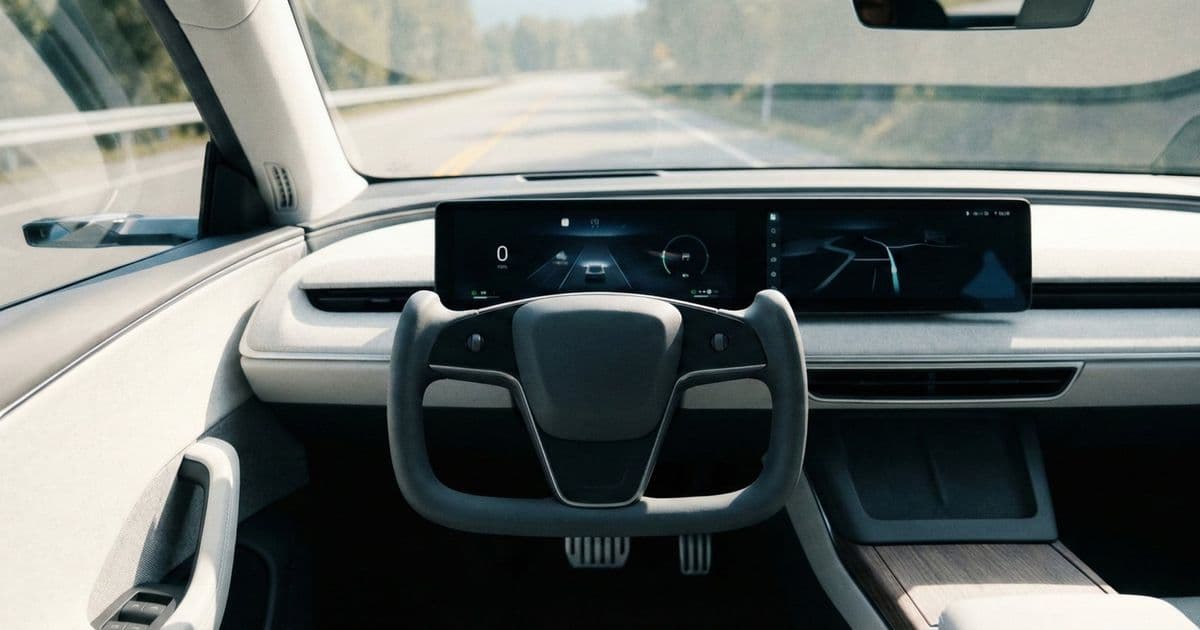
China's draft safety standards eliminate mandatory testing for half-steering wheel designs, removing a potential regulatory barrier for automakers adopting the Formula One-inspired layout.
China's Ministry of Industry and Information Technology has published a draft version of mandatory national standard GB 11557-202X, which is scheduled to take effect on Jan. 1, 2027. The filing draft removes technical definitions, testing methods, and compliance rules related to "half steering wheel" designs that were included in an earlier consultation version.
According to the document, half steering wheels are not included in the current mandatory standard framework, and no separate compliance testing pathway is defined for the design in the submitted draft. Some new energy vehicle models in recent years have adopted the design, which removes the upper portion of the traditional circular steering wheel and is commonly seen in Formula One race cars.
Industry observers have debated its suitability for passenger vehicles, with some arguing that the absence of an upper grip point could increase handling difficulty during sharp turns, U-turns, or emergency maneuvers.
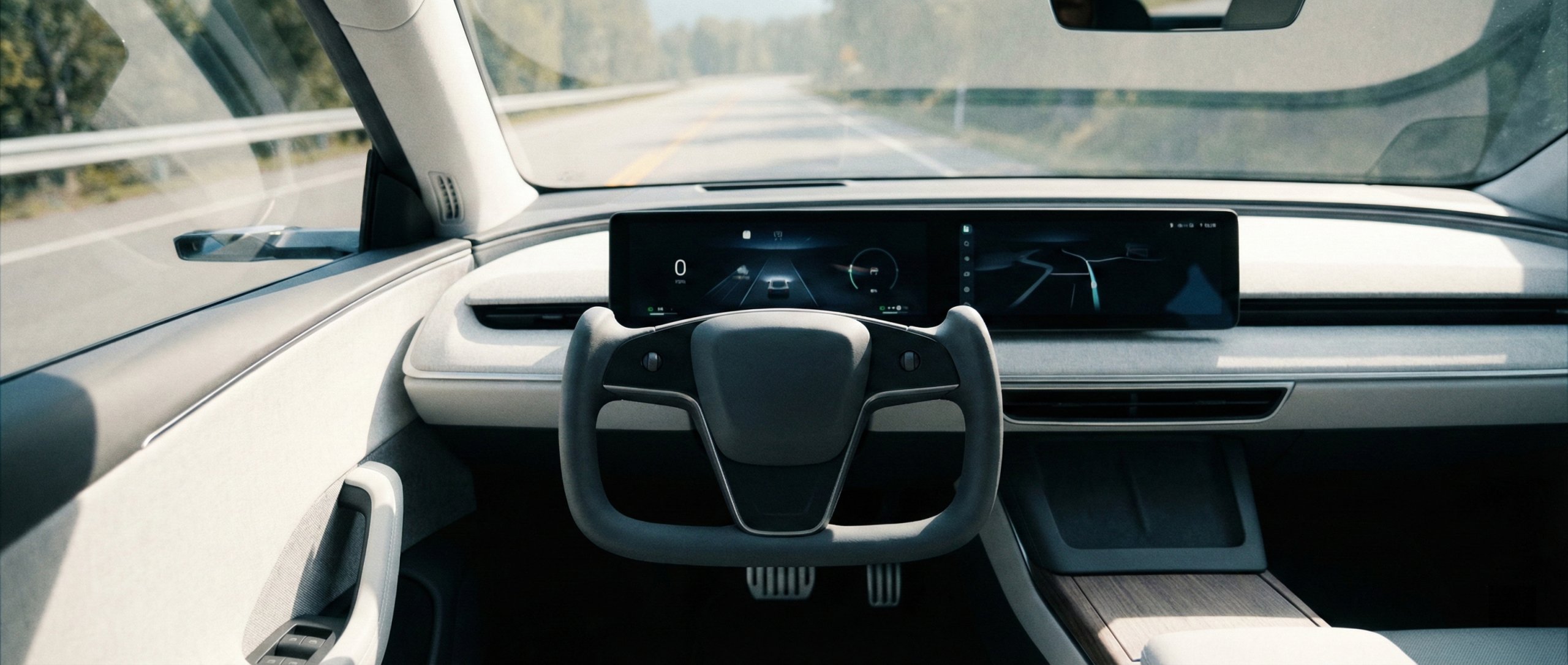
The removal of half-steering wheel specifications from China's mandatory safety standards represents a significant shift in the regulatory landscape for automotive design. Initially, the consultation version of GB 11557-202X included detailed technical definitions and testing protocols for these unconventional steering systems, suggesting regulators were preparing to formally evaluate their safety for mass-market vehicles.
This change effectively removes a potential regulatory barrier for automakers interested in adopting the Formula One-inspired design. Without mandatory testing requirements, manufacturers can now explore half-steering wheel implementations without navigating additional compliance hurdles. The decision appears to reflect a more permissive approach to innovative vehicle layouts, particularly as China pushes to lead in new energy vehicle development.
Safety experts remain divided on the practical implications. Proponents argue that half-steering wheels can improve ingress and egress in vehicles with unconventional seating positions, particularly in autonomous or semi-autonomous vehicles where traditional hand-over-hand steering techniques may be less critical. Critics counter that the design could compromise driver control during emergency maneuvers, noting that the upper grip point serves as a crucial reference for hand positioning and provides additional leverage during sharp turns.
The timing is notable given China's aggressive push toward new energy vehicle adoption. As domestic manufacturers experiment with increasingly radical vehicle designs to differentiate themselves in a crowded market, regulatory flexibility on steering configurations could accelerate innovation. However, the absence of standardized testing also means safety validation will likely fall to individual manufacturers and third-party certification bodies, potentially creating a patchwork of safety assessments across different models.
The draft standard's publication kicks off a formal comment period before finalization, giving industry stakeholders an opportunity to weigh in on the regulatory approach. For now, the message from Chinese regulators seems clear: they're willing to let the market determine whether half-steering wheels belong in passenger vehicles, rather than imposing prescriptive safety requirements that could stifle design experimentation.
Comments
Please log in or register to join the discussion