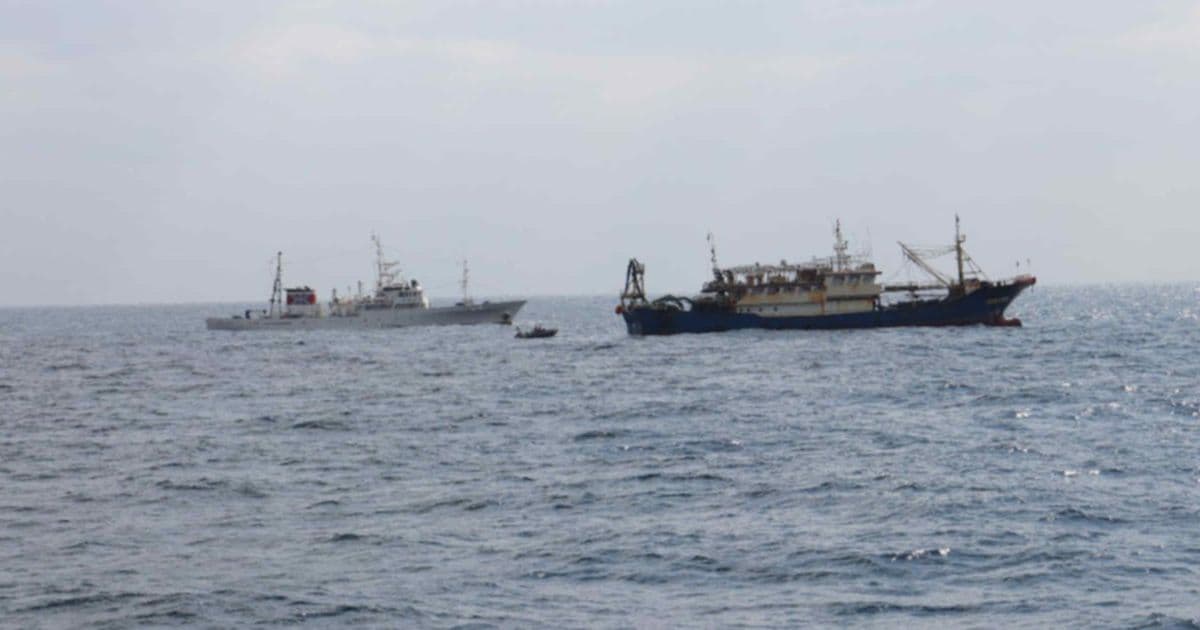
Japanese authorities arrested a Chinese fishing captain after his vessel allegedly tried to evade inspection in Japanese waters, marking another flashpoint in the ongoing territorial disputes between the two Asian powers.
Japanese authorities seized a Chinese fishing vessel and arrested its captain on February 12, 2026, after the boat allegedly attempted to evade inspection in Japanese territorial waters, according to the Japan Fisheries Agency.
The incident occurred in waters near Japan where Chinese fishing boats have frequently operated, often leading to confrontations with Japanese patrol vessels. The Chinese captain was taken into custody after refusing to comply with inspection requests from Japanese officials.
Beijing has called on Tokyo to "enforce law fairly" regarding the incident, though Chinese officials have not yet provided detailed comments on the specific circumstances of the arrest. The seizure comes amid already heightened tensions between the two nations over territorial disputes and fishing rights in the East China Sea.
This latest maritime confrontation follows a pattern of similar incidents that have periodically strained Japan-China relations. Chinese fishing vessels have been involved in multiple standoffs with Japanese coast guard ships in recent years, particularly around the disputed Senkaku Islands (known as Diaoyu in China), which both nations claim as sovereign territory.
The timing of this incident is particularly sensitive, occurring as Japan navigates complex regional dynamics including:
- Ongoing tensions with China over Taiwan
- Security concerns about Chinese maritime activities
- Economic interdependencies that complicate diplomatic responses
- Regional power shifts following recent political developments in Japan
Japan's Fisheries Agency has not disclosed whether the vessel was operating near the contested island chain or in other Japanese-controlled waters. The agency typically conducts inspections to ensure compliance with Japanese fishing regulations and to prevent unauthorized harvesting of marine resources.
This incident highlights the persistent challenges in Japan-China maritime relations, where economic interests, territorial claims, and national sovereignty concerns frequently intersect. The East China Sea has become an increasingly contested space as both nations assert their maritime rights and fishing interests.
The arrest could potentially trigger diplomatic protests from Beijing, similar to previous incidents that have led to formal complaints and demands for the release of detained Chinese nationals. However, the specific response from Chinese authorities remains to be seen as both sides navigate this latest escalation in their complex bilateral relationship.
For Japan, maintaining control over its territorial waters while avoiding unnecessary escalation with China presents a delicate balance. The country must enforce its maritime laws and protect its fishing resources while managing one of its most important economic relationships.
As tensions simmer in the region, this incident serves as a reminder of the ongoing challenges in managing maritime disputes and the potential for seemingly isolated events to impact broader diplomatic relations between Asia's two largest economies.
Comments
Please log in or register to join the discussion