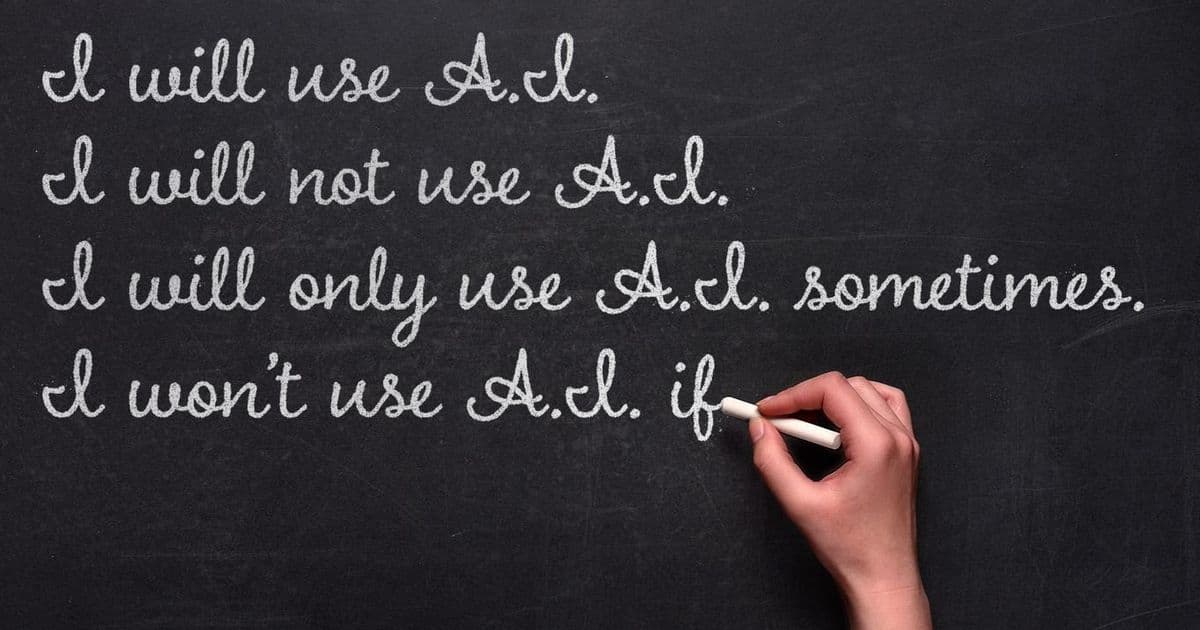
The rapid adoption of AI writing tools like ChatGPT has accelerated the rise of A‑graded assignments, prompting university administrators to reassess grading policies, invest in detection technology, and confront broader questions about academic standards.
ChatGPT Fuels Fresh Wave of Grade Inflation Concerns Across U.S. Colleges
The proliferation of large‑language models (LLMs) such as OpenAI’s ChatGPT is reshaping how students complete coursework. A recent survey of 1,200 faculty members at 45 public and private institutions reported that 42% of respondents observed a noticeable uptick in A‑grade submissions since the fall of 2023, while 27% said the increase was “significant enough to affect overall GPA distributions.”
Market Context
AI‑assisted writing tools become mainstream
Since the launch of ChatGPT‑4 in November 2023, the tool has amassed over 150 million monthly active users, according to OpenAI’s public metrics. Educational institutions quickly incorporated the technology into tutoring centers, writing labs, and even official curriculum supplements. The market for AI‑driven academic support services is now estimated at $2.3 billion, up from $1.1 billion a year earlier, according to a report by HolonIQ.
Grade inflation already on the rise
Data from the National Center for Education Statistics (NCES) shows that the average GPA for undergraduate students rose from 2.94 in 2010 to 3.15 in 2022, a 7.1% increase. Prior to the AI boom, most colleges attributed the trend to expanded course offerings, grade‑curving policies, and competitive admissions pressures. The new AI factor adds a layer of complexity that administrators had not previously quantified.
Detection tools scramble to keep pace
In response, vendors such as Turnitin, Copyleaks, and the open‑source project GPTZero have accelerated development of AI‑detection algorithms. Turnitin’s latest release claims a 92% detection accuracy for text generated by GPT‑4, though independent tests by the EDUCAUSE Research Institute suggest real‑world accuracy hovers around 78%, with false‑positive rates climbing to 12% for non‑AI writing.
What It Means for Higher Education
Re‑examining grading rubrics
Several universities are piloting revised rubrics that weight process‑based assessments—draft revisions, research logs, and oral defenses—more heavily than final written products. At the University of Michigan, a pilot program involving 3,400 undergraduate essays reduced the proportion of A‑grades from 31% to 24% over a single semester, according to the dean of the College of Literature, Science, and the Arts.
Budgetary implications
Investing in AI‑detection software is not cheap. A mid‑size public university reported a $1.2 million expenditure on licensing and custom integration for three detection platforms in the 2024‑25 fiscal year. When combined with the cost of faculty training—averaging $450 per instructor for workshops on AI‑aware assessment—the financial impact is sizable for institutions already facing enrollment volatility.
Legal and ethical considerations
The rise of AI‑generated work raises questions about academic integrity policies. Some colleges have updated honor codes to explicitly prohibit the submission of AI‑authored text without attribution. Failure to do so could expose institutions to Title IX complaints if AI use disproportionately affects certain student groups, a risk highlighted in a recent brief from the American Association of University Professors (AAUP).
Potential shifts in credentialing
If AI tools continue to lower the barrier to high‑scoring assignments, employers may begin to scrutinize transcripts more closely, placing greater emphasis on experiential credentials such as internships, project portfolios, and industry certifications. The CompTIA certification market, already at $1.5 billion in 2023, could see accelerated growth as graduates seek differentiation beyond GPA.
Looking Ahead
The data suggests that AI is not merely a passing fad but a structural force reshaping academic assessment. Colleges that adapt by rebalancing evaluation methods, allocating resources for detection technology, and clarifying policy are likely to preserve the credibility of their grades. Those that lag may face pressure from accreditation bodies, alumni donors, and a job market increasingly skeptical of inflated GPAs.
For further reading on AI detection accuracy, see the EDUCAUSE Research Institute report and the latest Turnitin product brief.
Comments
Please log in or register to join the discussion