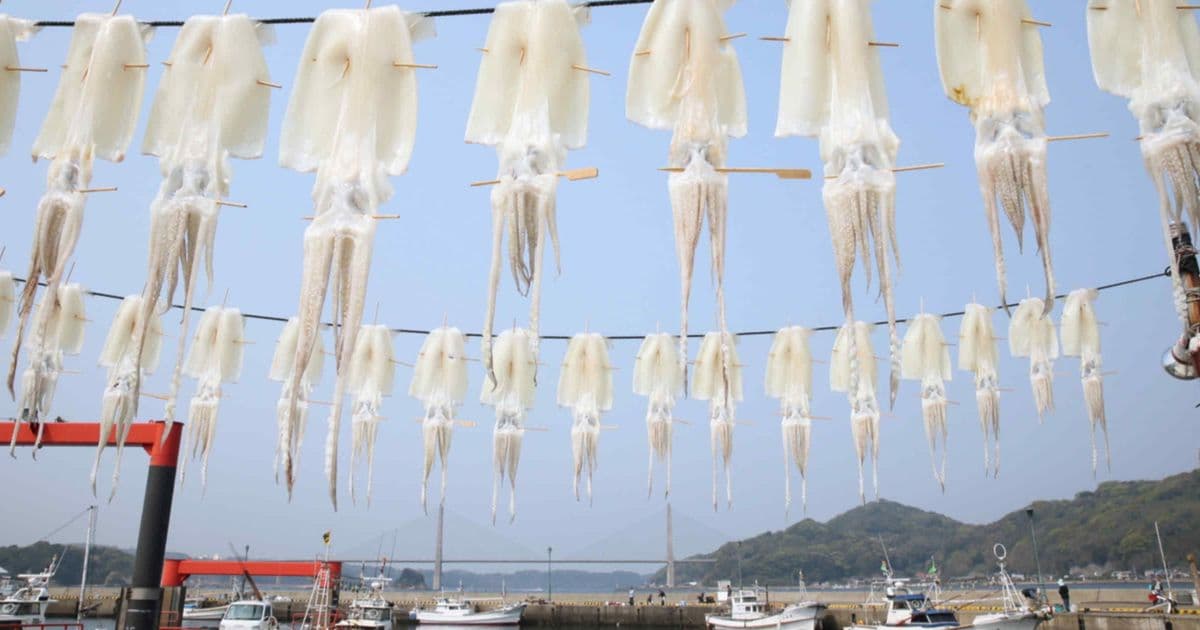
China's expanded squid fishing operations, driven by Japan's demand for affordable seafood, have contributed to a significant decline in global squid catches, raising concerns about sustainable fishing practices and future seafood supplies.
The global squid fishing industry is facing unprecedented challenges as catches have plummeted by approximately 35% over the past three years, with China's aggressive expansion of squid fishing fleets emerging as a primary factor in this decline. According to recent data from the United Nations Food and Agriculture Organization (FAO), global squid production fell from 4.8 million metric tons in 2023 to an estimated 3.1 million metric tons in 2025, with China accounting for nearly 60% of the total catch during this period.
Japan, the world's largest squid importer, has seen its domestic catches decline by nearly 50% since 2023, forcing the country to increase imports by 70% to meet consumer demand. The Japanese market, valued at approximately $3.2 billion annually, has become increasingly dependent on affordable squid imports from China, with Chinese squid products accounting for 75% of Japan's imported squid in 2025, up from 45% in 2022.
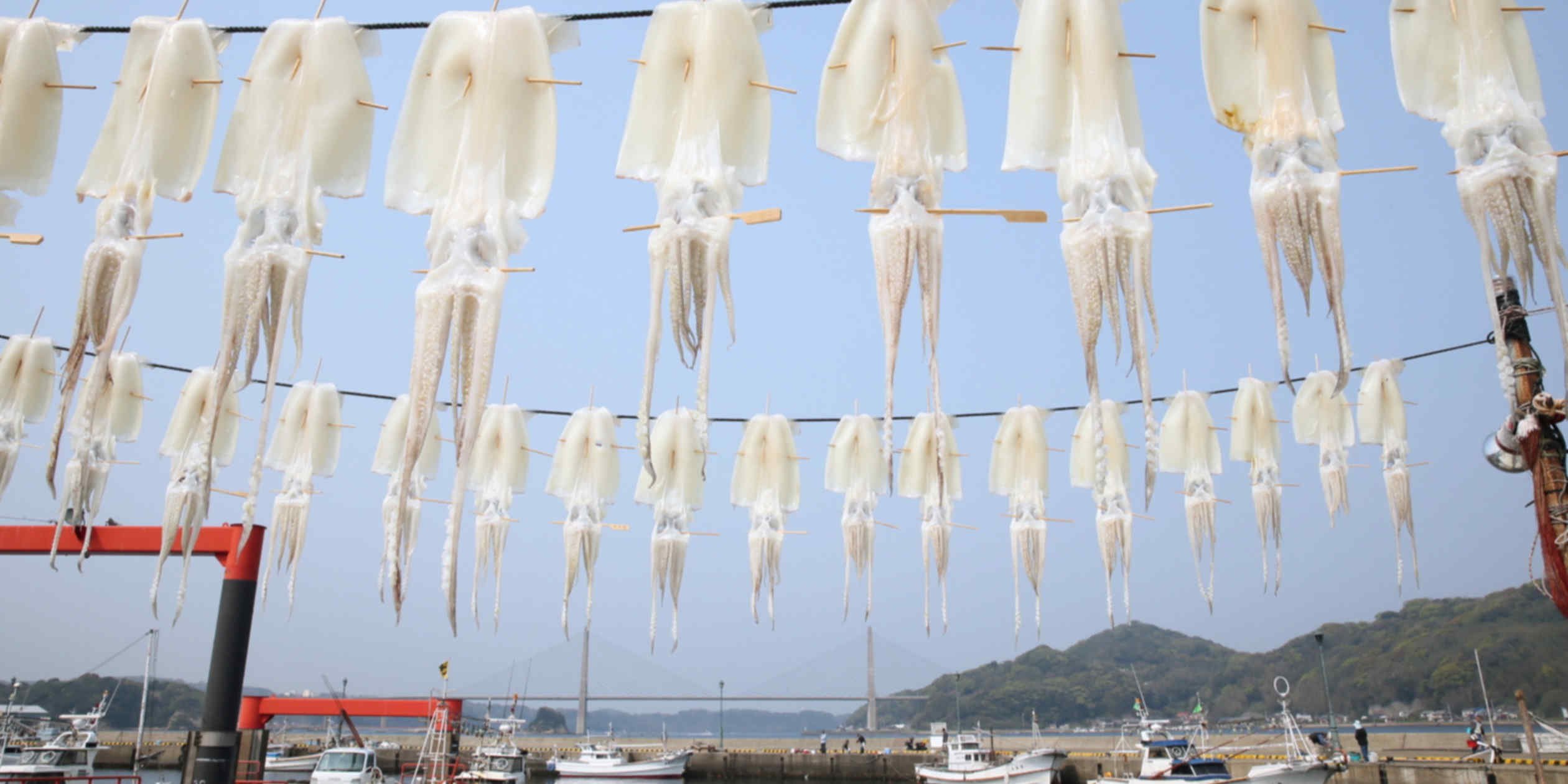
China's squid fishing fleet has expanded dramatically, with the number of squid-specific vessels increasing from approximately 1,200 in 2020 to over 3,500 in 2025. This expansion has been supported by government subsidies estimated at $450 million annually, allowing Chinese fishing companies to operate at a loss while maintaining low prices in the Japanese market. The economic model has created a vicious cycle: Japan's demand for cheap squid incentivizes China to expand fishing, which in turn depletes squid stocks and reduces catches for other nations.
The environmental impact of this fishing pressure has become increasingly apparent. Scientists at the Ocean Research Institute have documented a 60% decline in squid populations in key fishing grounds across the North Pacific since 2023, with recovery rates failing to match exploitation rates. This has led to concerns about the long-term sustainability of squid populations, which are crucial to marine ecosystems as both predator and prey species. FAO fisheries statistics confirm these alarming trends.
The economic consequences extend beyond environmental concerns. In Japan, coastal communities dependent on traditional squid fishing have seen incomes decline by an average of 40% since 2023. The town of Yobuko in Saga prefecture, historically famous for its fresh squid market, has seen its annual squid festival attendance drop by 65% as catches have dwindled. Local fishermen report that they now spend three times as much time at sea to catch the same volume of squid they harvested just three years ago.
International regulatory bodies have attempted to address the issue through various agreements. The North Pacific Fisheries Commission (NPFC) implemented catch limits in 2024, but enforcement has proven challenging, with Chinese vessels frequently operating in disputed waters and exceeding quotas by an estimated 30%. The economic incentives for overfishing remain strong, with squid prices in Japanese markets rising by only 15% despite the dramatic decline in availability, suggesting that price mechanisms have not yet effectively regulated demand. NPFC regulations provide the framework for these international efforts.
The Japanese government has begun implementing countermeasures, including increased funding for domestic squid farming initiatives and stricter import regulations. In 2025, Japan allocated $120 million for aquaculture research, aiming to increase farmed squid production from the current 5% of domestic consumption to 25% by 2030. Additionally, Japanese retailers have begun introducing "sustainable squid" certification programs, with prices for certified squid averaging 40% higher than conventional imports.
The situation highlights broader tensions in global fisheries management, as economic pressures increasingly override conservation concerns. With global seafood demand projected to increase by 15% by 2030, the challenge of balancing economic interests with sustainability has become increasingly urgent. The squid industry's current trajectory suggests that without significant intervention, the combination of overfishing and market dynamics could lead to a collapse in global squid populations within the next decade.
Industry analysts suggest that technological innovations in aquaculture and more effective international cooperation may offer pathways toward resolution. However, the immediate future appears challenging, with projections indicating that global squid catches may decline further by 20-30% over the next two years if current practices continue. The Japanese Fisheries Agency (https://www.jfa.maff.go.jp) continues to develop strategies to address these challenges, while coastal communities like Yobuko (https://www.saga-yobuko.jp) seek alternative economic opportunities as traditional fishing becomes increasingly unsustainable.
Comments
Please log in or register to join the discussion