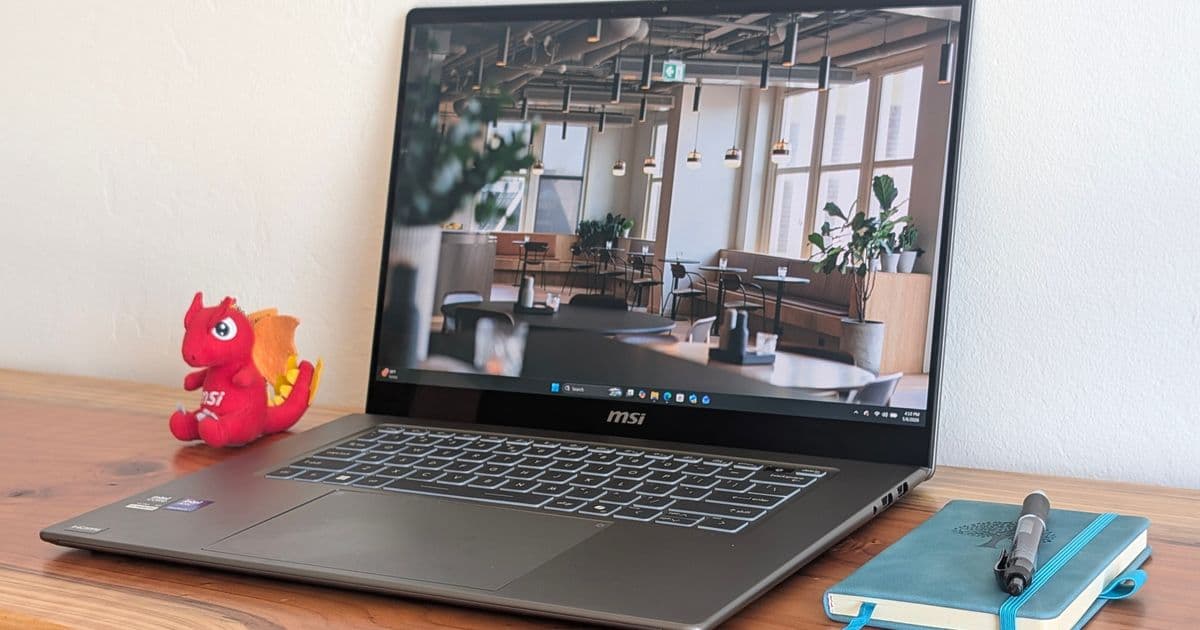
MSI's latest Prestige 16 AI+ brings significant upgrades in performance and display quality while making some controversial cuts to ports, storage, and battery capacity. Our detailed comparison reveals what you gain and what you lose when upgrading from the 2025 model.
The 2026 MSI Prestige 16 AI+ (C3MTG) represents a significant evolution from its predecessor, but not all changes are improvements. As someone who has tested both models extensively, I can tell you there are several trade-offs that potential buyers need to understand before making a decision.
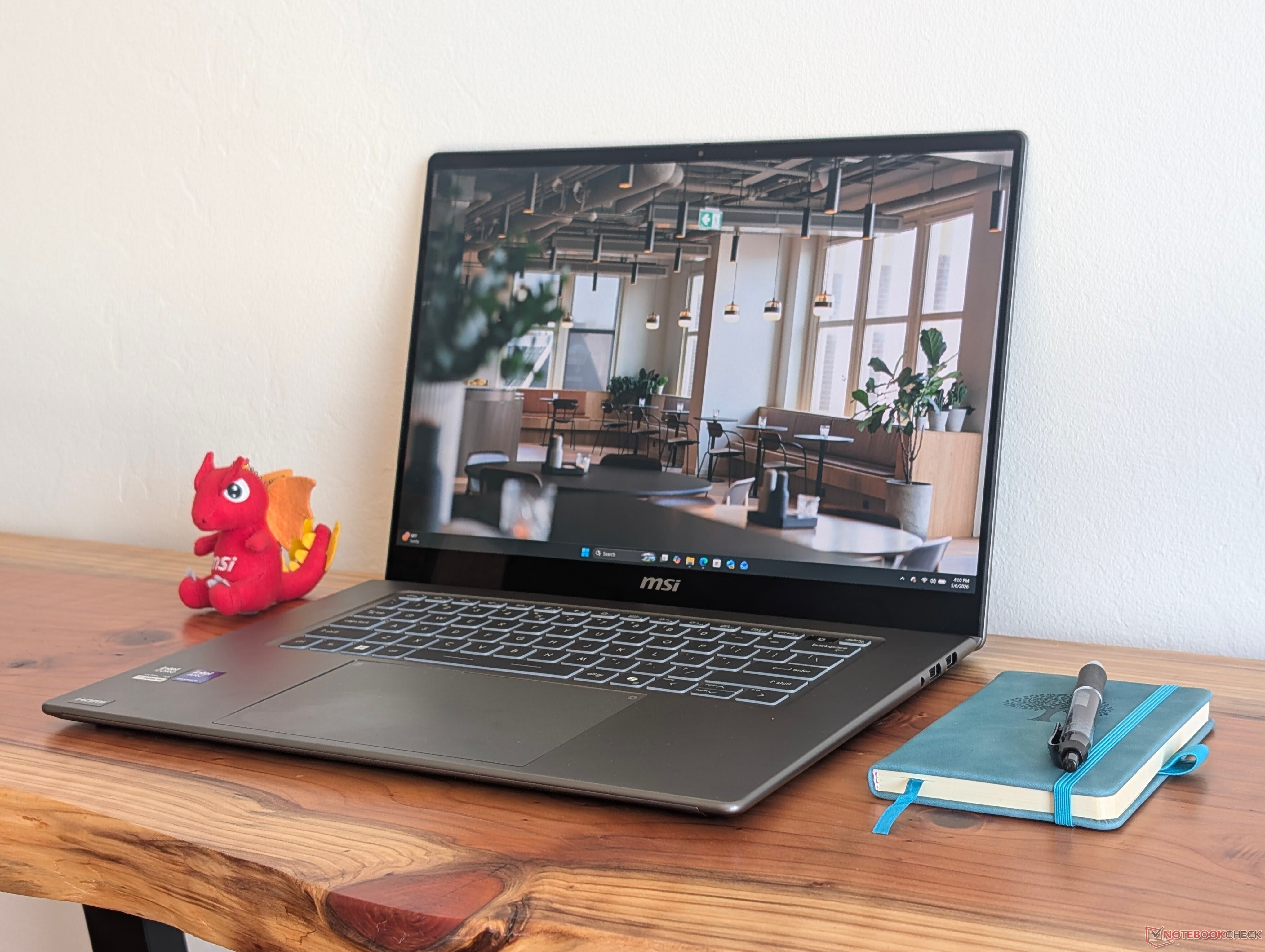
What's New in the 2026 Prestige 16
The most significant upgrade comes in the form of Intel's latest processor technology. The 2026 model jumps from Arrow Lake CPUs to the new Panther Lake architecture, offering up to a Core Ultra X9 processor. This represents a substantial leap in performance-per-watt, which should translate to better efficiency and potentially improved battery life despite the smaller battery capacity.
The display has also received a complete overhaul, moving from an IPS panel to an OLED option. This change brings deeper blacks, higher contrast ratios, and more vibrant colors that content creators and media consumers will appreciate. The resolution has also been bumped up, though the exact pixel count wasn't specified in the comparison data.
Physically, the chassis has been redesigned to be noticeably thinner and sleeker, contributing to a more premium feel. The clickpad has been enlarged from 15 x 9 cm to 16 x 10 cm, providing more comfortable navigation for those who prefer using the touchpad over a mouse.
How it Compares to the 2025 Model
When placing both models side-by-side, the differences become more nuanced. The 2025 Prestige 16 AI Evo (B2HMG) offers several features that have been sacrificed in the newer model:
Port Selection: The 2025 model includes a 3.5mm headset jack, USB-A 3.2 Gen 2 port, HDMI 2.1, two Thunderbolt 4 ports, Kensington lock, RJ-45 ethernet, and SD card reader. The 2026 model drops the headset jack, downgrades to USB-A 3.2 Gen 1 ports, removes the Kensington lock and ethernet port, but adds a second USB-A port.
Storage: Users who need maximum storage flexibility will miss the dual M.2 2280 SSD support from the 2025 model. The 2026 version supports only a single M.2 2280 SSD, which could be a dealbreaker for power users with large storage needs.
Numpad: The integrated numeric keypad has been completely removed in the 2026 model, which will disappoint business users who frequently work with spreadsheets or financial data.
Battery Life: Despite the newer, more efficient processor, the 2026 model's battery capacity has been reduced from 99.9Wh to 81Wh. This, combined with the power-hungry OLED display, results in a runtime decrease from 16.5 hours to 12.6 hours. The AC adapter has also been downgraded from 100W to 65W.
Weight: The 2026 model is slightly heavier at 1.64kg compared to 1.56kg for the 2025 model, likely due to the OLED panel and slightly larger chassis dimensions.
Who Should Choose the 2026 Model?
The 2026 Prestige 16 AI+ is clearly aimed at users who prioritize display quality and raw performance over battery life and connectivity options. Content creators who work with color-critical applications will benefit from the OLED panel's superior contrast and color accuracy. The Panther Lake processor offers significant performance gains for productivity tasks, creative workloads, and even light gaming.
Mobile professionals who primarily work in environments with reliable power access and don't need to work all day without charging will appreciate the performance and display upgrades. The sleeker design also makes it more suitable for business presentations where aesthetics matter.
However, users who frequently work on the go, need maximum storage expansion, or rely on specific ports like ethernet will find the 2025 model more suitable. Business users who regularly input numerical data will also miss the integrated numpad.
The Bottom Line
MSI has made some controversial but understandable decisions with the 2026 Prestige 16. The shift to OLED and Panther Lake processors represents clear forward progress in display technology and CPU efficiency. However, the reductions in battery capacity, storage options, and connectivity features suggest MSI is targeting a different user profile with this iteration.
For more detailed benchmarks and performance comparisons between these models, check out our full review of the Prestige 16 AI+ C3MTG. Official MSI Prestige 16 product page provides additional specifications and configuration options.
The decision between these two models ultimately comes down to your specific needs and priorities. If you value cutting-edge display technology and raw performance above all else, the 2026 model is worth considering despite its compromises. But if you need maximum battery life, extensive connectivity options, and storage flexibility, the 2025 model remains a compelling alternative.
Comments
Please log in or register to join the discussion