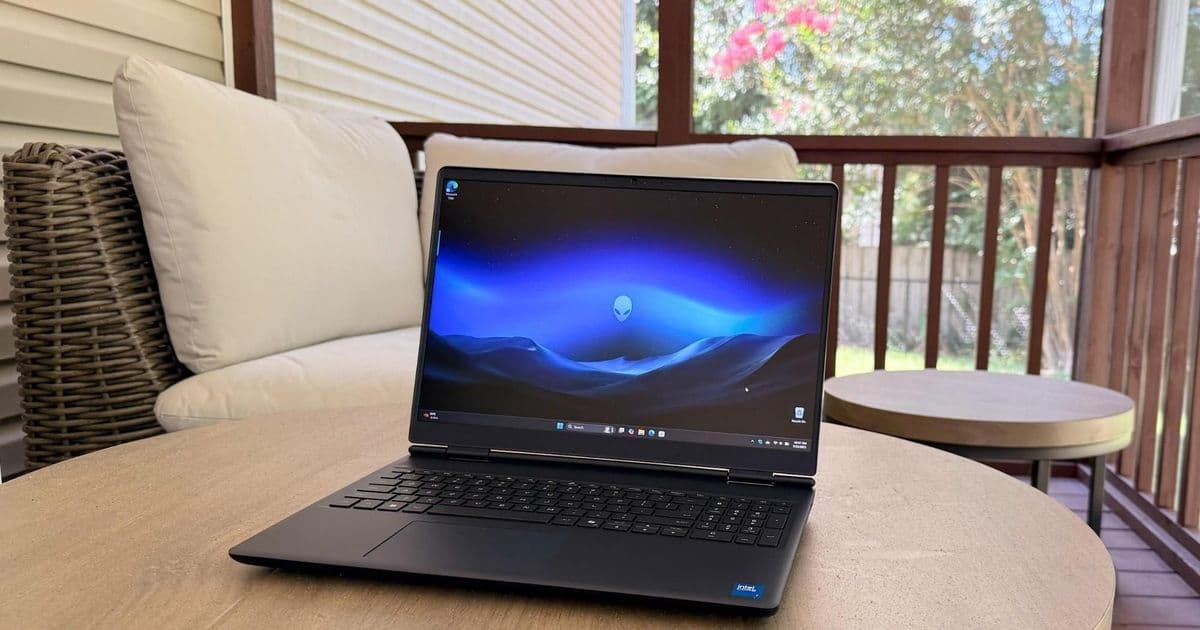
Analysis of the semiconductor components and supply chain dynamics shaping the 2026 budget gaming laptop market, with performance benchmarks and manufacturing insights.
Budget Gaming Laptops 2026: Chip Architecture and Supply Chain Analysis
The budget gaming laptop market of 2026 presents a fascinating study in semiconductor economics and component optimization. As manufacturing costs continue to rise and consumer expectations evolve, manufacturers have strategically balanced performance, price, and features to create competitive products in the $1,000-$1,500 range. This analysis examines the chip architecture, manufacturing processes, and supply chain dynamics that define today's budget gaming laptops.
Market Context and Component Evolution
The budget gaming laptop segment has undergone significant transformation in recent years. Component costs have increased by approximately 15-20% since 2023, forcing manufacturers to redefine what constitutes "budget" in the gaming space. The sub-$1,000 market has effectively contracted, with viable gaming options now starting around $1,200-$1,500. This shift reflects broader industry trends in semiconductor pricing and manufacturing economics.
Most budget gaming laptops in 2026 utilize Nvidia's GeForce RTX 5050 and RTX 5060 graphics cards, representing the sweet spot between performance and cost-effectiveness. These GPUs typically operate at reduced power levels (80W-85W) compared to their higher-end counterparts, allowing manufacturers to balance thermal requirements with battery life expectations.
Processor Architecture and Performance Trade-offs
The CPU landscape in budget gaming laptops features a mix of Intel Core Ultra and AMD Ryzen processors, with some manufacturers still utilizing previous-generation components to optimize costs. The AMD Ryzen 7 260 and Ryzen AI 7 350 represent current-generation options, while Intel's Core 7 240H offers competitive performance with its hybrid architecture.
These processors employ various power optimization techniques:
- Intel's Core Ultra series utilizes hybrid core designs with Performance-cores and Efficient-cores
- AMD's Ryzen AI processors integrate XDNA accelerators for AI workloads
- Both manufacturers have improved their integrated graphics, reducing dependency on discrete GPUs for light tasks
The performance delta between current and previous-generation processors in gaming scenarios has narrowed to approximately 5-8%, making cost considerations more significant than pure performance metrics in the budget segment.
Display Technology and Manufacturing Considerations
The display panels in budget gaming laptops represent an interesting case study in manufacturing economics. Most models feature 16-inch IPS panels with resolutions between 1920x1200 and 2560x1600. Refresh rates typically range from 120Hz to 180Hz, with the higher refresh rates commanding a price premium of approximately $100-$150.
Manufacturers face several challenges in display procurement:
- Supply chain constraints for high-quality IPS panels
- Balancing color accuracy (measured at 90-112% sRGB) with cost targets
- Managing power consumption requirements for gaming laptops
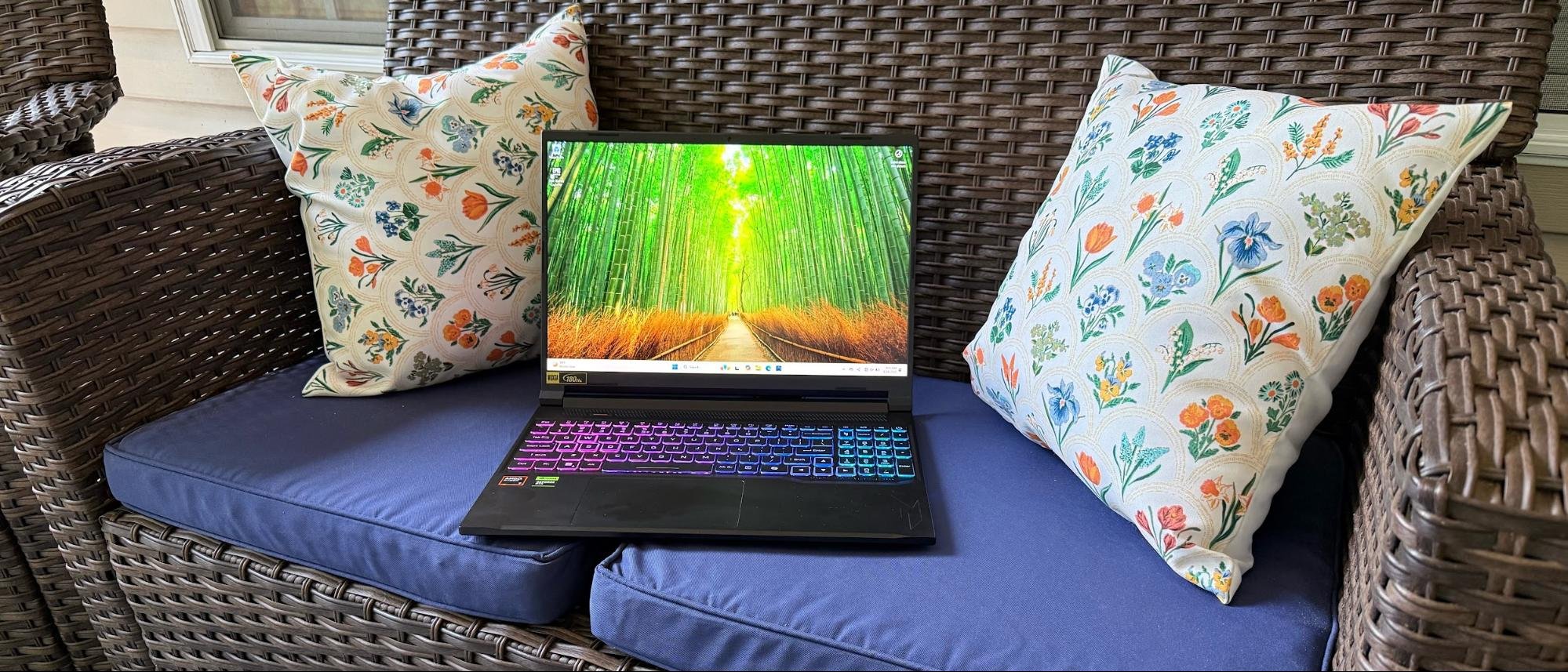
The Acer Nitro V 16S AI, priced around $1,500, exemplifies this balance with its 16-inch, 1920x1200 display offering 180Hz refresh rate and good color reproduction. This represents a significant improvement over budget displays from just three years ago, which typically offered 60Hz refresh rates and poor color accuracy.
Storage and Memory Architecture
Storage and memory configurations reveal much about the manufacturing economics and user expectations in the budget segment. Most 2026 budget gaming laptops now come standard with 16GB of DDR5 RAM, up from 8GB in previous generations. This increase reflects both user demand and the declining cost differential between DDR4 and DDR5 modules.
Storage configurations have similarly evolved:
- 512GB NVMe SSDs remain the baseline option
- 1TB drives are increasingly common in the $1,400+ price range
- Some manufacturers offer dual M.2 slots for future expansion
The performance of these storage solutions varies significantly, with budget laptops often utilizing entry-level NVMe controllers that deliver read speeds between 1,500-2,500 MB/s, compared to 3,500-7,000 MB/s in premium systems. This difference impacts game loading times and system responsiveness but represents a necessary cost optimization.
Power Delivery and Thermal Management
The power delivery systems in budget gaming laptops illustrate the engineering compromises necessary to hit price targets. Most RTX 5060-equipped models limit GPU power delivery to 80W-85W, approximately 30-40% below the maximum power allocation for these chips in higher-end systems.
Thermal management solutions vary by manufacturer:
- Heat pipe designs with 2-3 heat pipes
- Single or dual fans with reduced RPM
- Chassis materials balancing weight and heat dissipation
These limitations result in performance throttling during extended gaming sessions, with sustained gaming performance typically 15-25% below peak capabilities. This represents a significant consideration for budget-conscious gamers.
Battery Technology and Efficiency Improvements
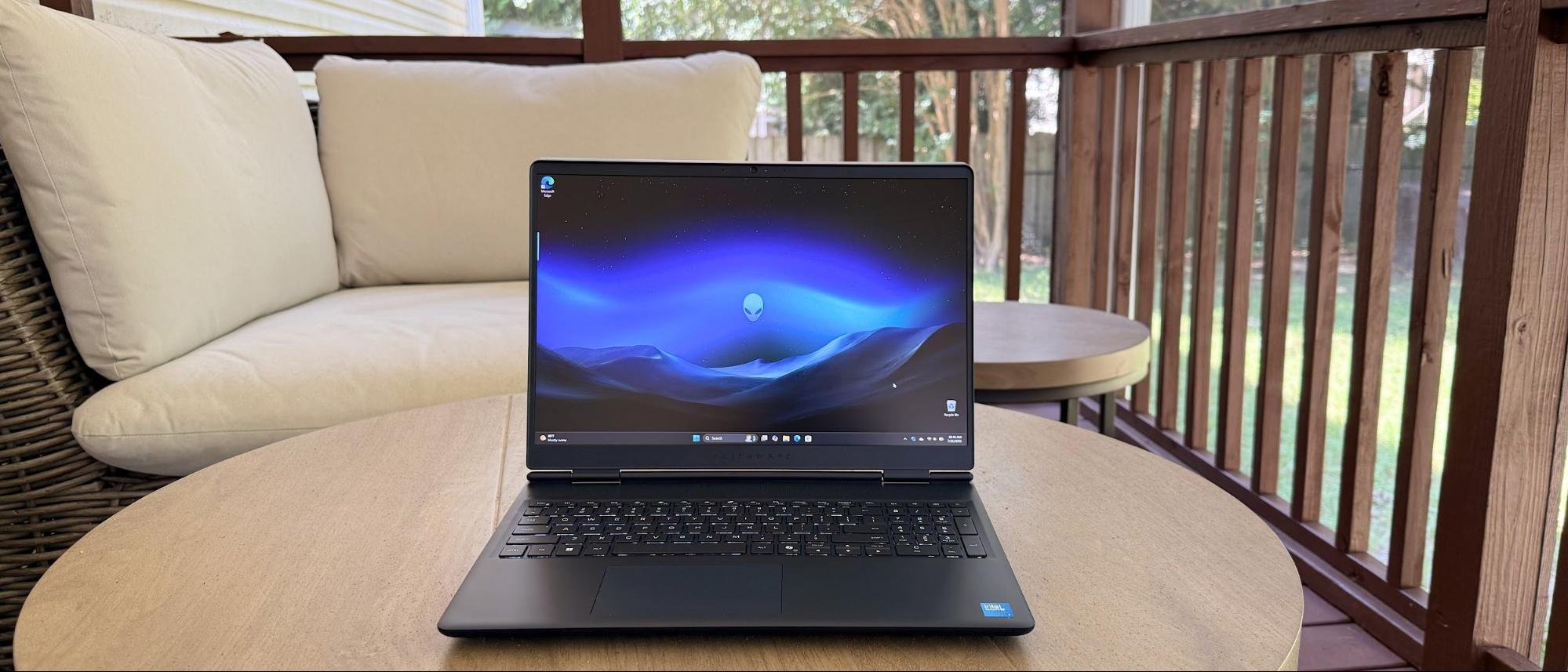
Battery life has emerged as a critical differentiator in the budget gaming laptop segment. The Alienware 16 Aurora leads with its 96Whr battery, delivering 9 hours and 41 minutes in productivity tests. This remarkable endurance results from several factors:
- More efficient RTX 5060 implementations with lower power draw
- Improved processor power management
- Larger battery capacities becoming more cost-effective
Manufacturers have made significant strides in battery technology:
- Energy density improvements of approximately 8-10% since 2023
- Better integration between battery management systems and components
- Software optimizations that extend battery life during non-gaming tasks
Supply Chain Dynamics and Manufacturing Economics
The budget gaming laptop market reflects broader semiconductor supply chain trends. Component lead times have normalized to 12-16 weeks for most parts, down from peak periods of 24+ weeks in 2022-2023. However, component costs remain elevated, with GPU prices approximately 20% higher than pre-pandemic levels.
Manufacturers have adopted several strategies to manage these challenges:
- Long-term component agreements to secure supply and stabilize costs
- Designing products with multiple component options to adapt to availability
- Increasing vertical integration to control more of the supply chain
These strategies have allowed manufacturers to maintain relatively stable pricing despite component cost increases, though the definition of "budget" has clearly shifted upward in the process.
Market Implications and Future Outlook
The budget gaming laptop segment of 2026 represents a mature market with well-defined performance tiers and price points. As manufacturing processes continue to improve and component costs gradually decrease, we can expect:
- Gradual performance improvements of 10-15% annually without price increases
- Continued integration of AI acceleration in both CPUs and GPUs
- Improved battery efficiency through better power management techniques
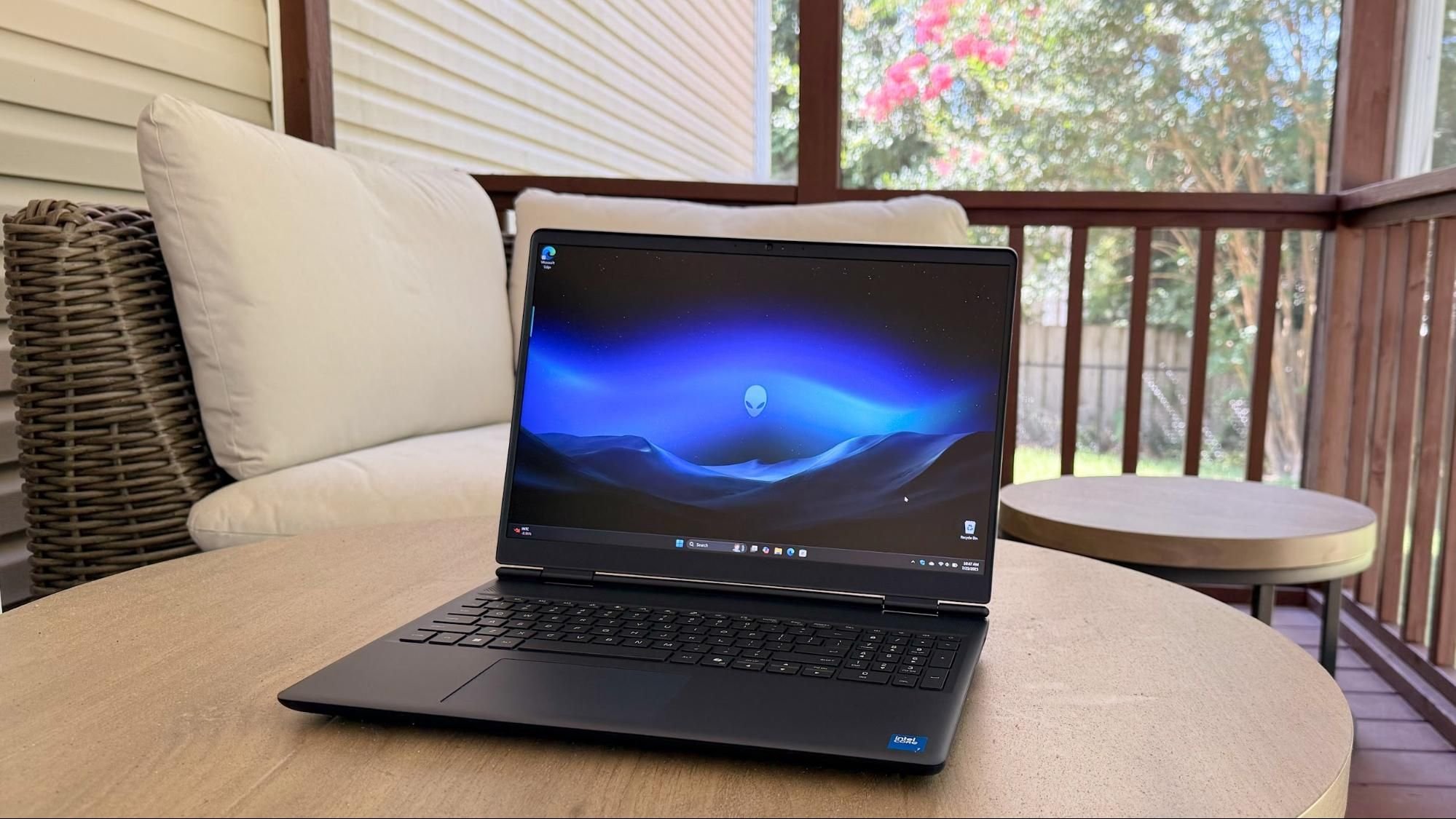
For consumers, the key takeaway is that while budget gaming laptops may cost more than in previous years, they offer significantly better performance and features. The RTX 5060-powered systems of today deliver gaming performance comparable to high-end laptops from just three years ago, while offering better battery life and display quality.
Conclusion
The 2026 budget gaming laptop market demonstrates how manufacturers have balanced semiconductor economics with consumer expectations to create competitive products. The chip architecture, manufacturing processes, and supply chain dynamics have all evolved to create a new definition of "budget" that offers substantial value to consumers despite higher absolute price points.
As component costs continue to moderate and manufacturing processes improve, we can expect this segment to continue delivering strong performance gains while maintaining relatively stable pricing. For consumers, the current market offers excellent options that balance gaming performance, productivity capabilities, and battery life in the $1,200-$1,500 range.
Comments
Please log in or register to join the discussion