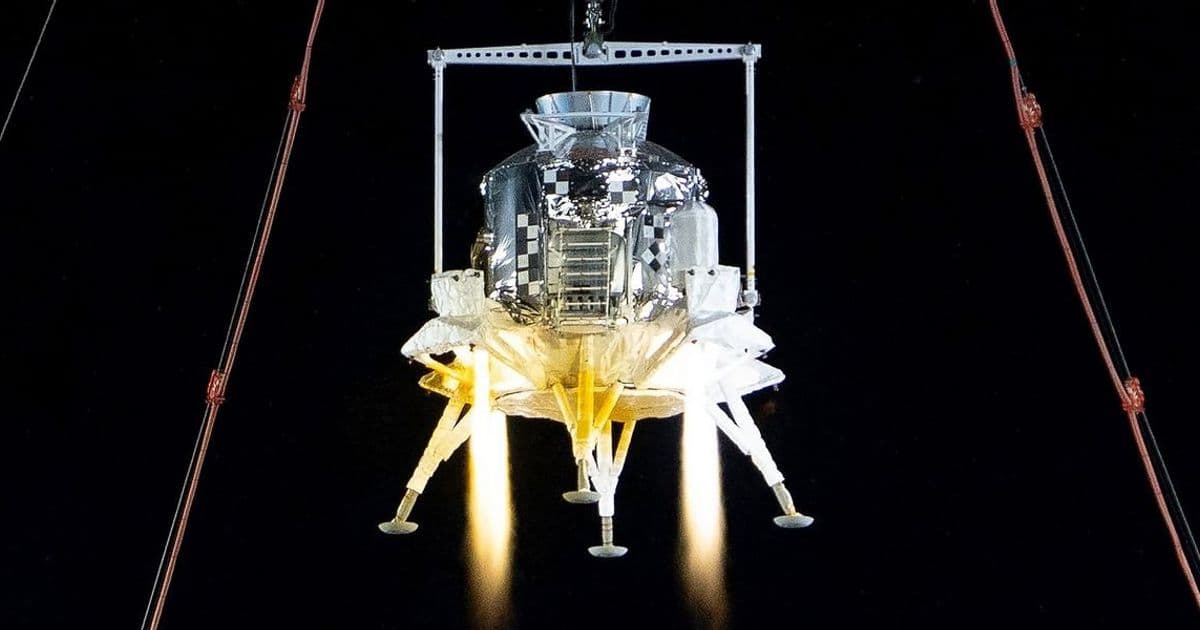
China has announced plans to land astronauts on the Moon by 2030, marking a significant milestone in the global space race and positioning the country as a major player in lunar exploration.
China has set its sights on the Moon, announcing plans to land astronauts on the lunar surface by 2030. This ambitious goal marks a significant milestone in the global space race and positions China as a major player in lunar exploration.
China's Lunar Ambitions
The Chinese space program has made remarkable progress in recent years, with successful missions to the Moon and Mars. The country's space agency, the China National Space Administration (CNSA), has been steadily building its capabilities and infrastructure to support long-term space exploration.
China's lunar program includes several phases:
- Chang'e missions: A series of robotic missions to orbit, land, and return samples from the Moon
- Tiangong space station: China's modular space station, currently under construction
- Lunar base plans: Long-term goals for establishing a research station on the Moon
The 2030 timeline for a crewed lunar landing represents a bold acceleration of these plans, putting China on track to potentially achieve this milestone ahead of NASA's Artemis program, which aims for a 2024 lunar landing but faces delays and budget constraints.
Technical Challenges and Innovations
Landing astronauts on the Moon is an extraordinarily complex undertaking that requires solving numerous technical challenges:
Spacecraft Development: China is developing the Long March 9, a super-heavy-lift rocket capable of carrying the massive payloads needed for crewed lunar missions. The spacecraft itself will need to support life for the journey to and from the Moon, as well as provide a safe landing and ascent capability on the lunar surface.
Life Support Systems: Extended missions beyond low Earth orbit require advanced life support systems that can recycle air, water, and waste while protecting astronauts from radiation and the harsh space environment.
Lunar Surface Operations: Astronauts will need specialized equipment for surface operations, including spacesuits, rovers, and habitats. China is likely drawing on lessons from the Apollo program while incorporating modern materials and technologies.
Navigation and Communication: Precise navigation and reliable communication with Earth are critical for lunar missions. China is developing its own global navigation satellite system (BeiDou) and has established tracking stations worldwide.
International Context and Competition
China's lunar ambitions come amid renewed international interest in the Moon. The United States, through NASA's Artemis program, aims to return astronauts to the lunar surface, while other nations including India, Japan, and the European Space Agency are developing their own lunar exploration capabilities.
This renewed focus on lunar exploration is driven by several factors:
- Scientific Research: The Moon offers unique opportunities to study planetary formation, solar system history, and the effects of low gravity on human physiology
- Resource Utilization: Potential resources like water ice at the lunar poles could support long-term human presence and serve as fuel for deeper space missions
- Strategic Positioning: Lunar capabilities demonstrate technological prowess and provide strategic advantages in space
- Commercial Opportunities: The emerging space economy includes lunar tourism, mining, and infrastructure development
Implications for the Global Space Community
China's 2030 lunar landing goal has several implications for the global space community:
Acceleration of Timelines: Other spacefaring nations may accelerate their own lunar programs to maintain competitive positioning
International Collaboration: China has expressed openness to international cooperation on its space station and lunar programs, potentially creating new partnerships and opportunities for scientific collaboration
Technology Development: The push for lunar capabilities drives innovation in areas like propulsion, materials science, robotics, and life support systems that have broader applications
Space Policy Evolution: China's growing space capabilities are influencing global space policy discussions around governance, resource rights, and peaceful use of space
Looking Ahead
The next decade will be crucial for lunar exploration. China's 2030 goal represents a concrete commitment to achieving human presence on the Moon, joining the United States as the only nations to have accomplished this feat.
Success will depend on sustained funding, technical execution, and the ability to overcome the numerous challenges of deep space exploration. If achieved, China's lunar landing would mark a historic milestone in human space exploration and reshape the geopolitical landscape of space activities.
As we approach 2030, the world will be watching closely to see if China can deliver on its ambitious lunar aspirations and join the United States in the elite club of nations that have landed humans on another celestial body.
Comments
Please log in or register to join the discussion