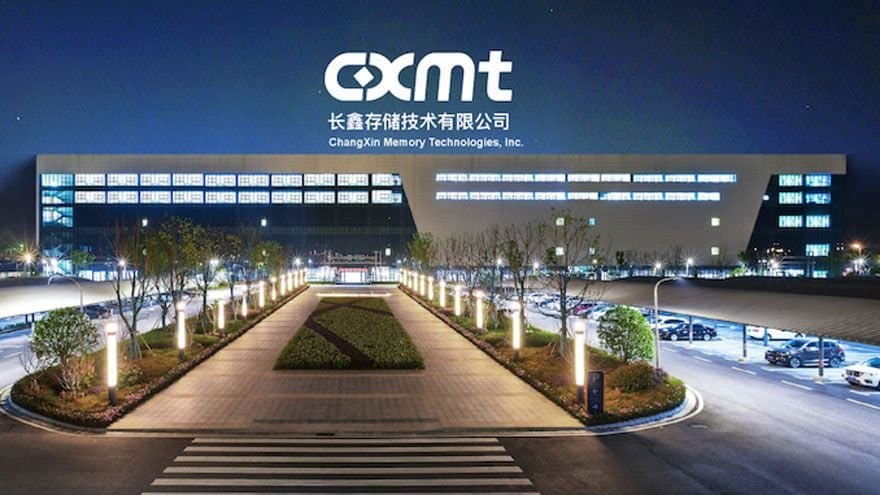
China's CXMT and YMTC are building new DRAM and NAND fabs targeting 2027 production, aiming to close the gap with Samsung, SK hynix, and Micron while navigating U.S. export controls.
China's two largest memory manufacturers, CXMT and YMTC, are embarking on unprecedented expansion plans that could significantly alter the global memory landscape over the next two years. As the world grapples with persistent memory shortages driven by AI infrastructure demands, these Chinese giants see a golden opportunity to close the gap with the established "big three" incumbents: Samsung, SK hynix, and Micron.
New Fabs Targeting 2027 Production
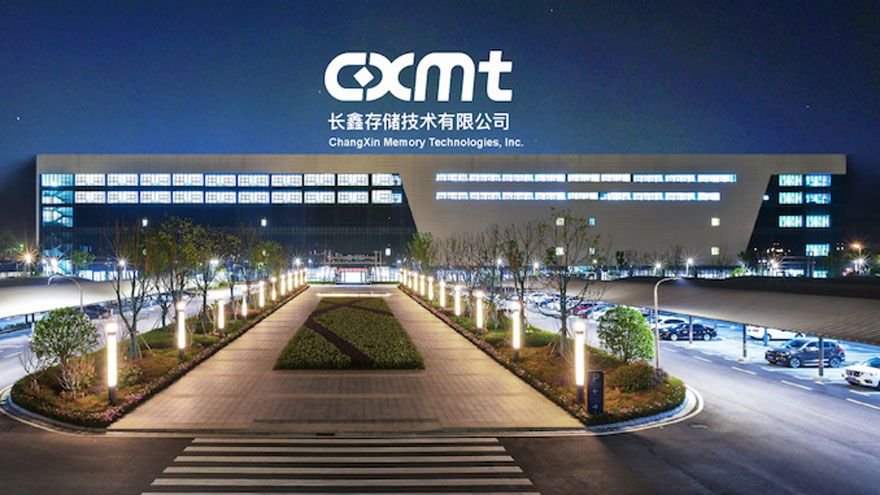
CXMT is preparing a major DRAM facility in Shanghai that's expected to be two-to-three times larger than its existing Hefei headquarters. Equipment installation is set to begin later this year, with volume production targeted for 2027. This expansion comes as the company's plants in Hefei and Beijing are already running at full capacity, according to industry sources.
Meanwhile, YMTC, traditionally a NAND flash supplier, is constructing a third fab in Wuhan that will also come online around 2027. What makes this particularly noteworthy is that roughly half of the facility's planned output is expected to be dedicated to DRAM rather than NAND—a significant deviation from YMTC's historical focus and a clear signal of the company's ambitions in the DRAM market.
The HBM Pivot and AI Demand
The timing of these expansions is no coincidence. Samsung and SK hynix have both warned customers that memory supply tightness is likely to persist into 2027 as they continue allocating capacity to AI. The commodity DDR5 for PCs and servers is constrained primarily because suppliers have redirected investment and wafer starts toward HBM, which carries substantially higher margins and is essential for AI accelerators.
SK hynix currently dominates this space, supplying around 60% of global HBM output, with Samsung and Micron splitting most of the remainder. All three vendors are expanding HBM capacity, but doing so comes at the expense of conventional DRAM, which has rocketed in price, creating a massive demand-side gap among consumers calling for more supply.
CXMT and YMTC clearly want to fill this gap. While CXMT remains a few generations behind the leading edge, it has demonstrated working DDR5 designs—though mass production is still delayed—and has reportedly delivered HBM samples to domestic AI customers, including Huawei. Chinese sources cited by industry analysts suggest that CXMT intends to add dedicated HBM3 production lines as part of its Shanghai fab, with initial volumes aimed at domestic AI accelerators.
YMTC's Strategic Shift
YMTC is taking a different approach to entering the DRAM market. Rather than competing head-to-head with CXMT on DRAM process technology, YMTC is expected to focus on advanced assembly and HBM integration, working with local partners to produce memory stacks suitable for AI workloads. The company is leveraging its packaging expertise to move into HBM, with 50% of the new plant's capacity dedicated to DRAM production.
"They [YMTC] started to develop their own DRAM more than two years ago... now it's only a matter of time for them to produce quality DRAM and HBM going forward," said one of YMTC's suppliers, highlighting the progress the company has made in DRAM development.
Navigating Export Controls
These expansion efforts create an uncomfortable tradeoff for Western legislators and policymakers. Any further tightening of export controls will just accelerate China's push towards full self-sufficiency, while relaxing them would ease global shortages but undermine the intent of the restrictions.
Currently, U.S. and allied export controls restrict Chinese access to advanced manufacturing equipment, limiting tool sales for sub-18nm DRAM processes and 128-layer or more 3D NAND, and explicitly targeting advanced packaging technologies relevant to HBM. Despite these restrictions, Chinese memory makers have continued to make incremental progress by relying on older-generation tools and domestic equipment vendors.
CXMT's recent and unexpected demonstrations of high-speed DDR5 and LPDDR5X parts seriously highlight just how much headroom for progress still exists even in the absence of advanced tooling like EUV. While it's likely that Chinese HBM will trail the latest HBM3E and HBM4 designs from the likes of Samsung and SK, both in terms of bandwidth and density, it may be more than sufficient for domestic AI deployments.
Market Implications
If successful, these expansion efforts will give China a vertically integrated domestic HBM supply chain, spanning DRAM wafer fabrication, stacking, and final assembly, without relying on outsiders. This represents exactly the outcome that the U.S. and its allies have attempted to slow down through export controls.
Micron had already effectively lost access to the Chinese market following Beijing's restrictions on its products in 2023, leaving Samsung and SK hynix as the primary foreign suppliers. Both Samsung and SK hynix operate large fabs in China that are now frozen in time due to U.S. rules, and both are investing heavily in next-gen memory outside China to stay ahead in HBM.
As Chinese DRAM output rises, it's entirely conceivable that both might look to exit the Chinese market entirely due to lack of viability, particularly if domestic progress emboldens Beijing to impose even tighter restrictions. Expansion efforts by Chinese firms do not currently threaten the big three in high-end HBM, but they make waves in the DRAM market.
Additional Chinese capacity aimed at domestic consumption reduces China's dependence on imports and weakens the pricing power of global suppliers over time. In a market that's already prone to relentless boom-bust cycles, any additional capacity could amplify volatility once, or if, AI demand stabilizes.
The next few years will be critical in determining whether these Chinese expansion plans materialize as expected and how they reshape the global memory industry's competitive dynamics. With production targeted for 2027, the industry has a narrow window to adapt to these potential changes in the memory supply chain.
Comments
Please log in or register to join the discussion