
StepFun, a Beijing-based large language model developer, has raised approximately $717 million in Series B+ funding, signaling China's aggressive push to cultivate homegrown AI champions despite geopolitical tensions and regulatory scrutiny.
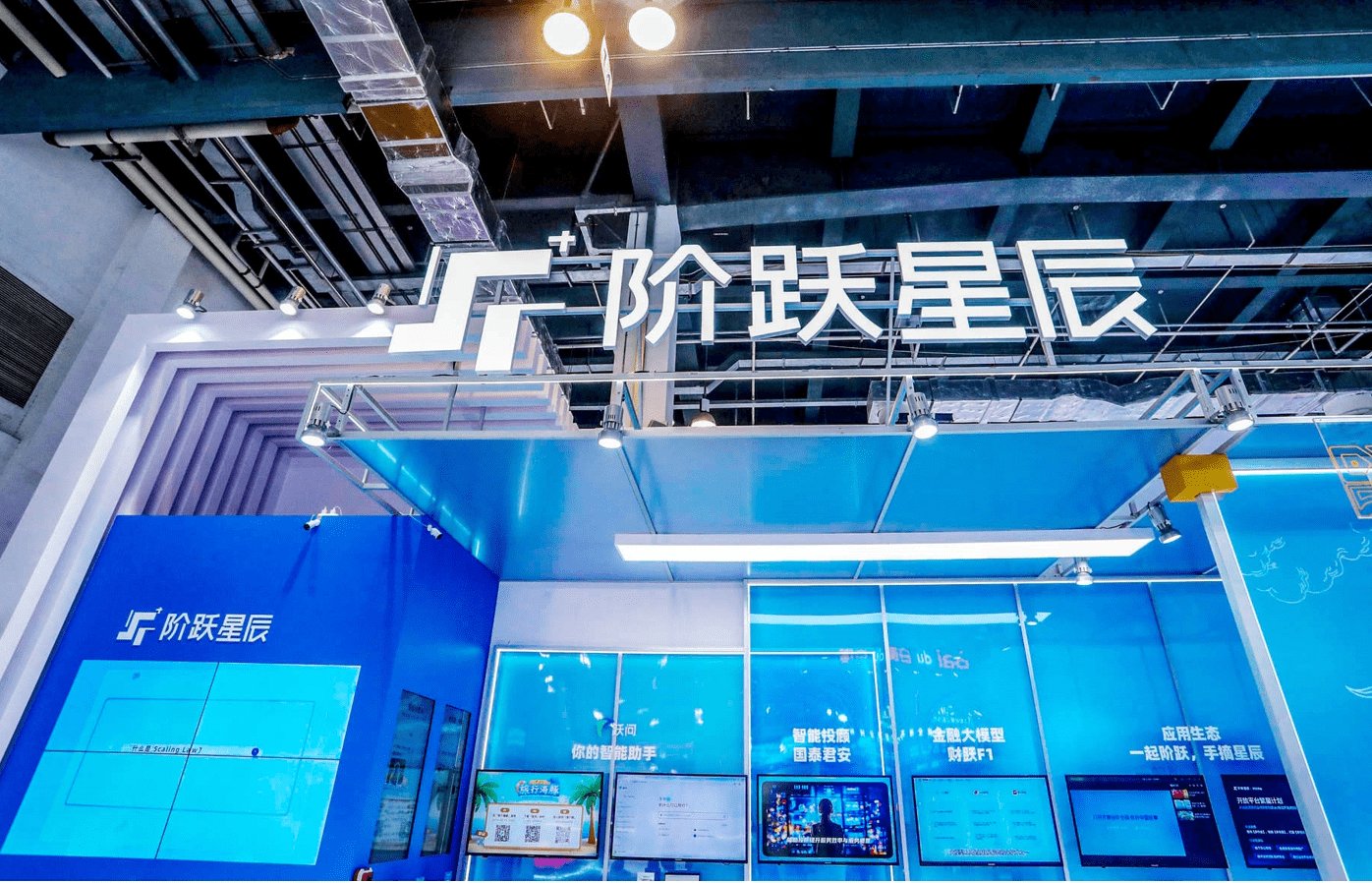
Chinese AI startups continue attracting massive capital infusions despite heightened U.S. export controls and global market uncertainties. The latest evidence comes from Beijing-based StepFun, which specializes in developing proprietary large language models (LLMs) and has secured approximately $717 million in a Series B+ funding round. This substantial investment arrives amid China's concerted national effort to achieve technological self-sufficiency in artificial intelligence.
StepFun's approach stands out through its strategic industry partnerships. The company has embedded its LLMs into automotive systems through Geely, one of China's largest automakers, enabling advanced voice assistants and predictive maintenance features. Similarly, collaborations with smartphone giants Oppo and Honor have integrated StepFun's natural language processing capabilities into mobile devices, positioning the startup at the intersection of consumer electronics and automotive innovation—two sectors prioritized in China's industrial policy.
The funding magnitude—equivalent to over 5 billion yuan—reflects several converging factors. First, China's tech investment ecosystem increasingly redirects capital toward foundational AI technologies following U.S. restrictions on NVIDIA GPU exports. Second, StepFun's enterprise-focused deployment strategy offers clearer monetization pathways than consumer-facing chatbots. Third, provincial governments across China actively subsidize AI infrastructure projects, creating fertile ground for domestic LLM developers.
Critical perspectives highlight significant challenges beneath the headline figure. Valuation benchmarks remain opaque for Chinese AI firms, with critics noting that comparable U.S. companies often demonstrate more transparent performance metrics. Regulatory uncertainty also looms; Beijing recently implemented strict new rules governing deep synthesis technologies that could impact StepFun's product roadmap. Meanwhile, intensifying competition within China's crowded LLM landscape—where over 130 major models were registered in 2025 alone—raises questions about long-term differentiation.
Geopolitical tensions further complicate StepFun's global ambitions. While the company hasn't announced international expansion plans, its reliance on domestic semiconductor alternatives like Huawei's Ascend chips creates performance limitations compared to Western rivals using restricted NVIDIA hardware. Industry analysts observe that Chinese LLMs still trail leading global models in multilingual capability and complex reasoning benchmarks despite massive investment.
The StepFun funding exemplifies China's 'whole nation' approach to AI development, where private capital aligns with state priorities. However, sustainability concerns persist. Previous Chinese tech investment waves in areas like semiconductor manufacturing yielded mixed results despite similar funding scales, suggesting capital alone cannot overcome ecosystem gaps. As export controls tighten and computing resources grow scarce, StepFun's real test will be delivering enterprise-grade AI solutions that compete globally without access to the full suite of technologies available to Western counterparts.
For more details on StepFun's technology and partnerships, visit their official website and review their GitHub repositories showcasing open-source model implementations.
Comments
Please log in or register to join the discussion