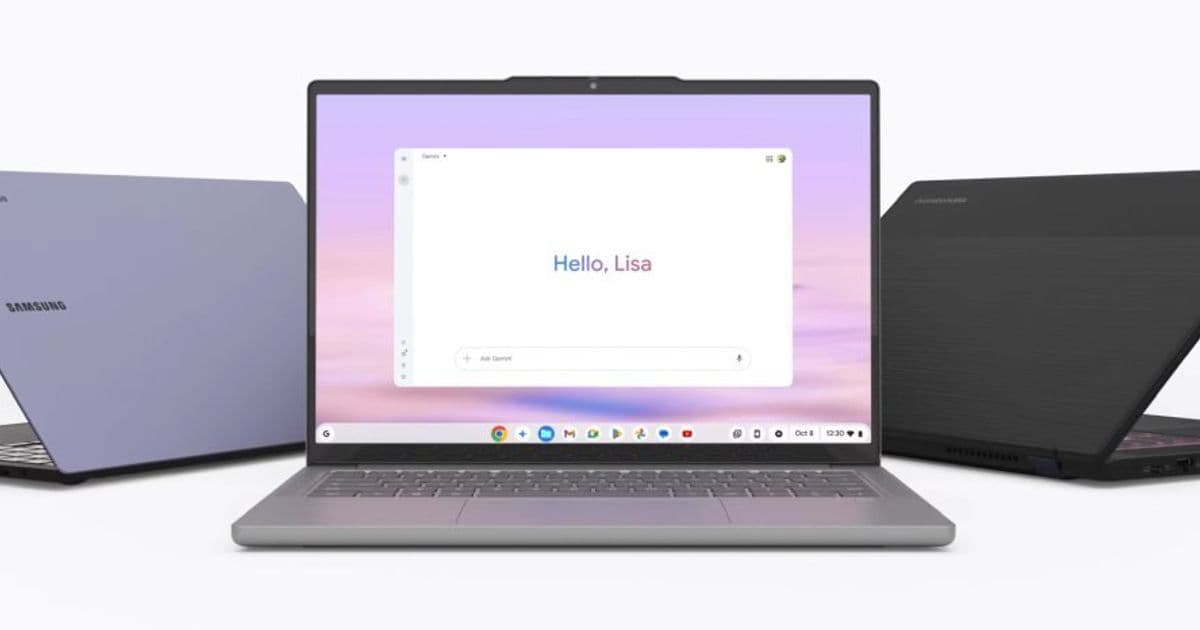
Google plans to merge ChromeOS features into Android and eventually retire ChromeOS, but the transition won't happen quickly with support continuing through 2033.
Google's plans to eventually retire ChromeOS and merge its features into Android have been making headlines, but according to recent reports, this transition won't happen quickly. The lines between Android and ChromeOS have blurred significantly over the years, with Google adding Android app support to Chromebooks while expanding Android to run on smart TVs, glasses, and other devices.
While Google has already given us a sneak peek at its new Android-based operating system for PCs—reportedly codenamed "Aluminum OS"—the company isn't planning to ship laptops running this new software until 2028 at the earliest. Even more significantly, Google will likely continue supporting ChromeOS through at least 2033.
The ten-year support promise is crucial here. Google commits to providing software and security updates for at least a decade from when a Chromebook model is first released. This means that even as Google develops its new Android-based platform, millions of existing Chromebook users will continue to receive updates and support for years to come.
Interestingly, some newer Chromebook hardware appears capable of running the new operating system. This suggests that at some point, these devices may receive updates that migrate them from ChromeOS to Aluminum OS. However, older models with less powerful hardware aren't expected to support the new OS, meaning ChromeOS will continue to receive updates until these devices reach their end-of-life dates.
The timeline raises several interesting possibilities. Seven years is a long time in the tech world, and many things could change. Google could potentially cancel Aluminum OS before it ever launches, or the new operating system could flop in the marketplace, forcing Google to maintain both platforms. Alternatively, Google might accelerate its timeline and break its promise of supporting older models.
This transition reflects a broader trend in the tech industry toward platform consolidation. Rather than maintaining separate operating systems for different device categories, companies are increasingly looking to create unified platforms that can run across laptops, tablets, smartphones, and other devices. Microsoft has pursued similar strategies with Windows, and Apple has gradually unified its macOS and iOS ecosystems.
For current Chromebook users, this news provides some reassurance. Despite the eventual retirement of ChromeOS, the platform isn't going away anytime soon. Users can expect continued support and updates for their devices for at least the next decade, with many newer models potentially receiving upgrades to the new Android-based platform when it becomes available.
The transition also highlights the challenges of managing platform ecosystems at scale. Google must balance innovation and the desire to create new, unified platforms with the practical realities of supporting millions of existing devices and users. The ten-year support commitment, while potentially limiting Google's flexibility, provides important stability and security for Chromebook users.
As this transition unfolds over the coming years, it will be fascinating to watch how Google manages the migration and whether the new Android-based platform can successfully replace ChromeOS in the laptop and desktop computing space. For now, Chromebook users can rest easy knowing their devices will continue to receive support well into the next decade.
Comments
Please log in or register to join the discussion