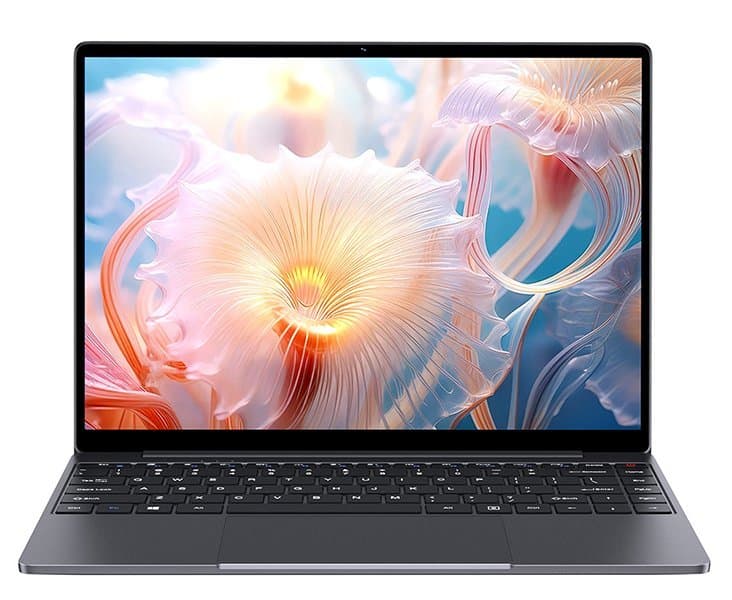
CPU-Z has released an update to accurately identify the AMD Ryzen 5 5500U processors found in Chuwi CoreBook X and CoreBook Plus laptops, resolving the software deception that hid the processor mixup from customers.
The processor mixup controversy surrounding Chuwi's CoreBook X and CoreBook Plus laptops has taken another turn, with CPU-Z releasing an update that finally allows users to accurately identify the actual AMD Ryzen processors inside these devices. The update comes after weeks of confusion and frustration from customers who discovered they had received laptops with older Zen 2 architecture chips instead of the Zen 3 processors they paid for.
The Deception Uncovered
The controversy began when customers who purchased Chuwi's CoreBook X and CoreBook Plus laptops noticed performance discrepancies that didn't align with the advertised AMD Ryzen 5 7430U processors. These laptops were marketed as featuring AMD's newer Zen 3 architecture, which promised significant performance improvements over previous generations. However, users who opened their devices and physically inspected the processors found that they actually contained AMD Ryzen 5 5500U chips.
What made this situation particularly egregious was Chuwi's apparent attempt to conceal the deception through software manipulation. The company had configured the laptops so that diagnostic tools like CPU-Z would misidentify the processor, showing the wrong chip information to users. This meant that customers couldn't easily verify what processor they had received without physically opening their laptops and removing the CPU cooler to inspect the chip directly.
CPU-Z's Response
In response to the growing controversy, CPU-Z has issued an update that allows the software to accurately display the true processor information in affected Chuwi laptops. This update represents a significant step forward for transparency, as it now enables users to verify their processor without requiring hardware disassembly.
The CPU-Z update specifically addresses the identification issues in the CoreBook X and CoreBook Plus models, ensuring that users can now see whether they have the advertised Ryzen 5 7430U (Zen 3) or the actual Ryzen 5 5500U (Zen 2) processor. This development has been welcomed by the tech community as a necessary correction to what many viewed as a deliberate attempt to mislead customers.
The Production Error Defense
Chuwi has maintained that the entire situation resulted from a "production error," suggesting that the wrong processors were accidentally installed during manufacturing. However, this explanation has been met with skepticism from both customers and industry observers, primarily because it doesn't account for the software deception.
The presence of software-level manipulation to hide the processor discrepancy strongly suggests that someone within Chuwi was aware of the mixup and attempted to cover it up. If this were truly an accidental production error, there would be no logical reason to implement software-based deception to hide the mistake from customers.
Impact on Customers
For customers who purchased these laptops believing they were getting newer Zen 3 processors, the revelation has been disappointing and potentially costly. The Ryzen 5 5500U, while still a capable processor with Zen 2 architecture, doesn't offer the same performance improvements and efficiency gains that Zen 3 processors provide.
This situation highlights the importance of transparency in the PC hardware market, particularly when it comes to processor specifications. Many users choose specific laptop models based on the advertised processor capabilities, and receiving a different chip can significantly impact the user experience, especially for tasks that benefit from newer architectural improvements.
Broader Implications
The Chuwi processor mixup raises important questions about quality control and transparency in the laptop manufacturing industry, particularly among smaller manufacturers. It also demonstrates how software can be used to manipulate hardware identification, potentially misleading customers about the true specifications of their devices.
This incident may lead to increased scrutiny of processor identification methods and could prompt other diagnostic tools to implement similar updates to prevent software-level deception. It also serves as a cautionary tale for consumers about the importance of verifying hardware specifications, especially when purchasing from lesser-known manufacturers.
Moving Forward
With CPU-Z's update now available, affected Chuwi customers can at least verify what processor they actually received. However, the question of compensation or remediation for customers who received different processors than what they paid for remains unresolved.
The tech community will likely continue to monitor how Chuwi handles this situation and whether other manufacturers implement similar deceptive practices. This incident may also lead to calls for more robust verification methods for processor identification across the industry.
For now, the CPU-Z update provides a small measure of transparency in what has been a frustrating situation for many customers. It serves as a reminder that even in an era of advanced technology, physical verification of hardware specifications may sometimes be necessary to ensure you're getting what you paid for.
As the fallout from this processor mixup continues to unfold, it's clear that both manufacturers and diagnostic software developers will need to be more vigilant about ensuring accurate hardware identification and preventing deceptive practices that could mislead consumers.
Comments
Please log in or register to join the discussion