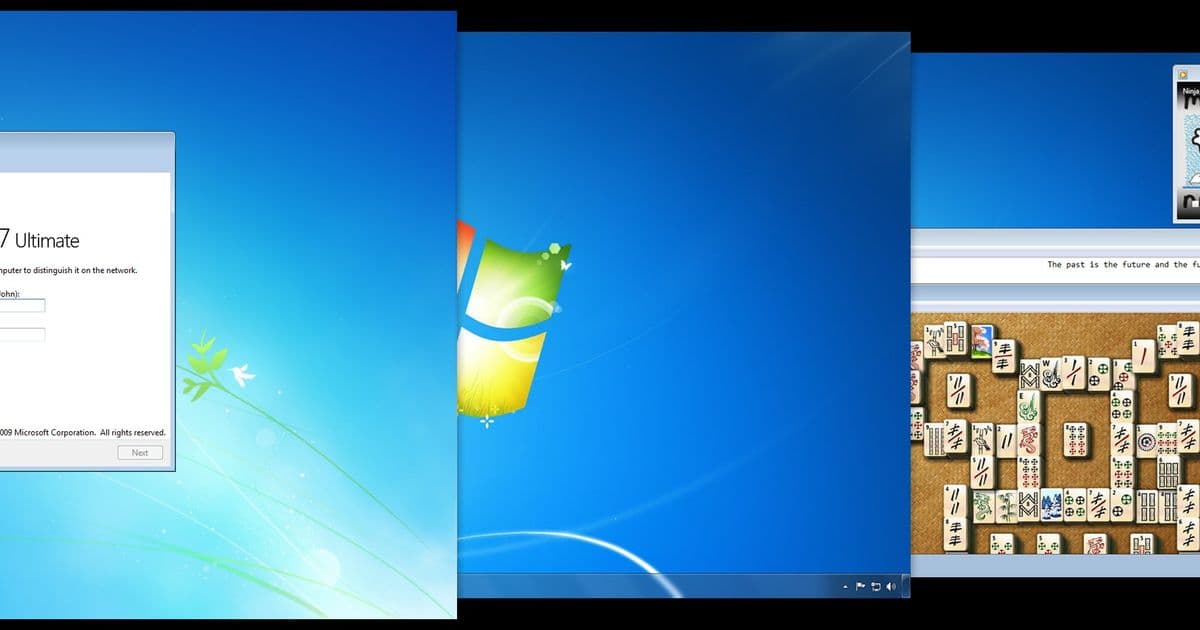
A Windows 10 modification project recreates the classic Windows 7 interface with remarkable accuracy, bringing back beloved features like Aero Glass, gadgets, and Media Center for users who prefer the simpler interface of Windows 7.
In an era where operating systems constantly evolve, a new project called Classic 7 is offering Windows users a unique option: the ability to experience the familiar comfort of Windows 7 on modern hardware. This modification transforms Windows 10 (IoT Enterprise LTSC 2021) to look and function almost identically to its predecessor, addressing a persistent nostalgia for one of Microsoft's most popular operating systems.
The project recreates the Windows 7 experience with impressive attention to detail, including a 1:1 recreation of the Out of Box Experience (OOBE) that greets users during setup. This means from the moment you install the system, you're greeted with the familiar Windows 7 setup process rather than Windows 10's modern interface.
What makes Classic 7 particularly interesting is its approach to feature recreation. The project successfully brings back several hallmark Windows 7 features that were removed in subsequent versions:
- Aero Glass: The translucent window effects that defined Windows Vista and 7 are fully functional, providing the visual experience many users miss in later Windows versions.
- Theme Support: The project maintains compatibility with Windows 7's .themepack files, allowing users to apply their favorite themes from the older operating system.
- Desktop Gadgets: Those beloved sidebar widgets that provided quick access to information like weather, news, and system metrics have been restored to the desktop.
- Windows Media Center: The multimedia hub that was removed in Windows 8 has been fully reintegrated and is fully functional.
- Classic Theme Elements: All the visual elements that gave Windows 7 its distinctive appearance have been carefully recreated.
The project acknowledges certain limitations, primarily due to the fundamental differences between Windows 7 and Windows 10. Some features couldn't be perfectly replicated:
- 3D window animations (opening, closing, minimizing, maximizing)
- Flip 3D feature (the window switcher that showed all open windows as 3D cards)
- Some system applications and gadgets remain incompatible due to architectural differences between the two operating systems
The creators of Classic 7 position it as a solution for users who prefer Windows 7's interface but need the security updates and hardware compatibility of Windows 10. This addresses a common dilemma for many users who found Windows 8 and Windows 11 too different from their preferred workflow.
The project appears to be a labor of love rather than a commercial venture, with the creators explicitly stating that Classic 7 is "not affiliated with Microsoft and is a fan-project." This suggests it operates in a legal gray area typical of operating system modifications, which often exist in a space between copyright concerns and user demand for customization.
For users interested in trying Classic 7, the project offers a direct download option, though the technical requirements and installation process aren't detailed in the available information. Given that it's based on Windows 10 IoT Enterprise LTSC 2021, it likely requires a license for that specific edition of Windows 10.
Classic 7 represents an interesting trend in the operating system space: the persistence of user preference for certain interfaces despite vendor evolution. It joins other projects like StartIsBack and Open-Shell in addressing user demand for traditional Windows interfaces, though it goes further by attempting to recreate the entire Windows 7 experience rather than just the Start menu.
As Windows 11 continues to push Microsoft's interface design in new directions, projects like Classic 7 highlight the enduring appeal of certain design paradigms. Whether this represents a niche interest or a broader shift in user preferences remains to be seen, but it certainly demonstrates that in the world of personal computing, one size does not fit all.
Comments
Please log in or register to join the discussion