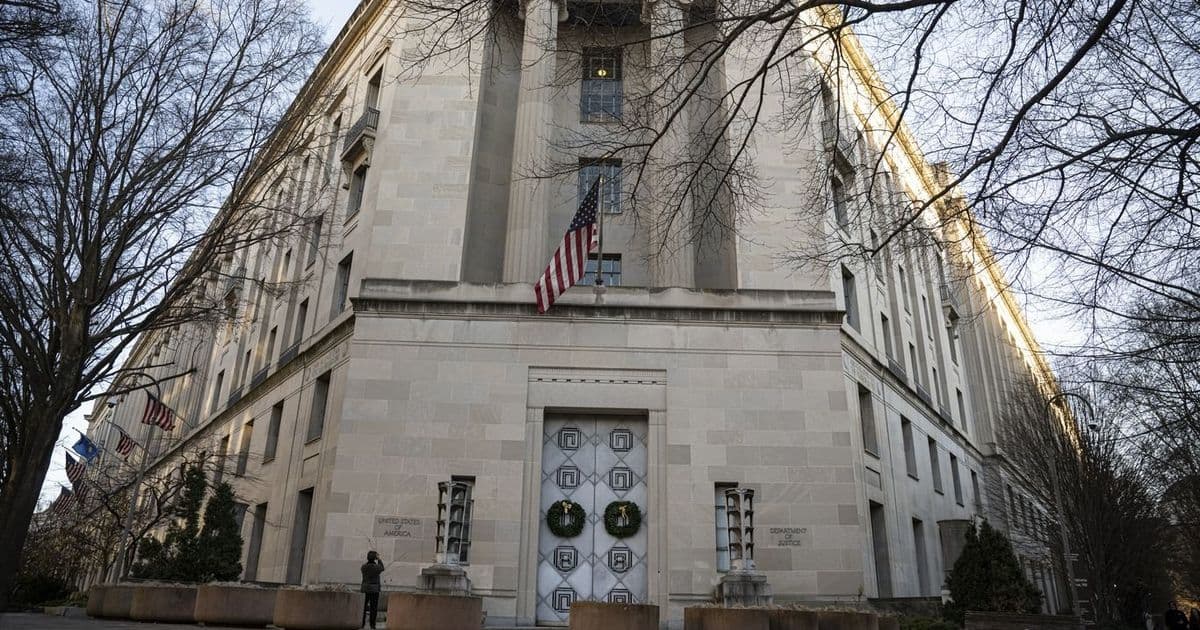
Congressional members will receive unfiltered access to Jeffrey Epstein case documents, signaling potential shifts in high-profile investigations.
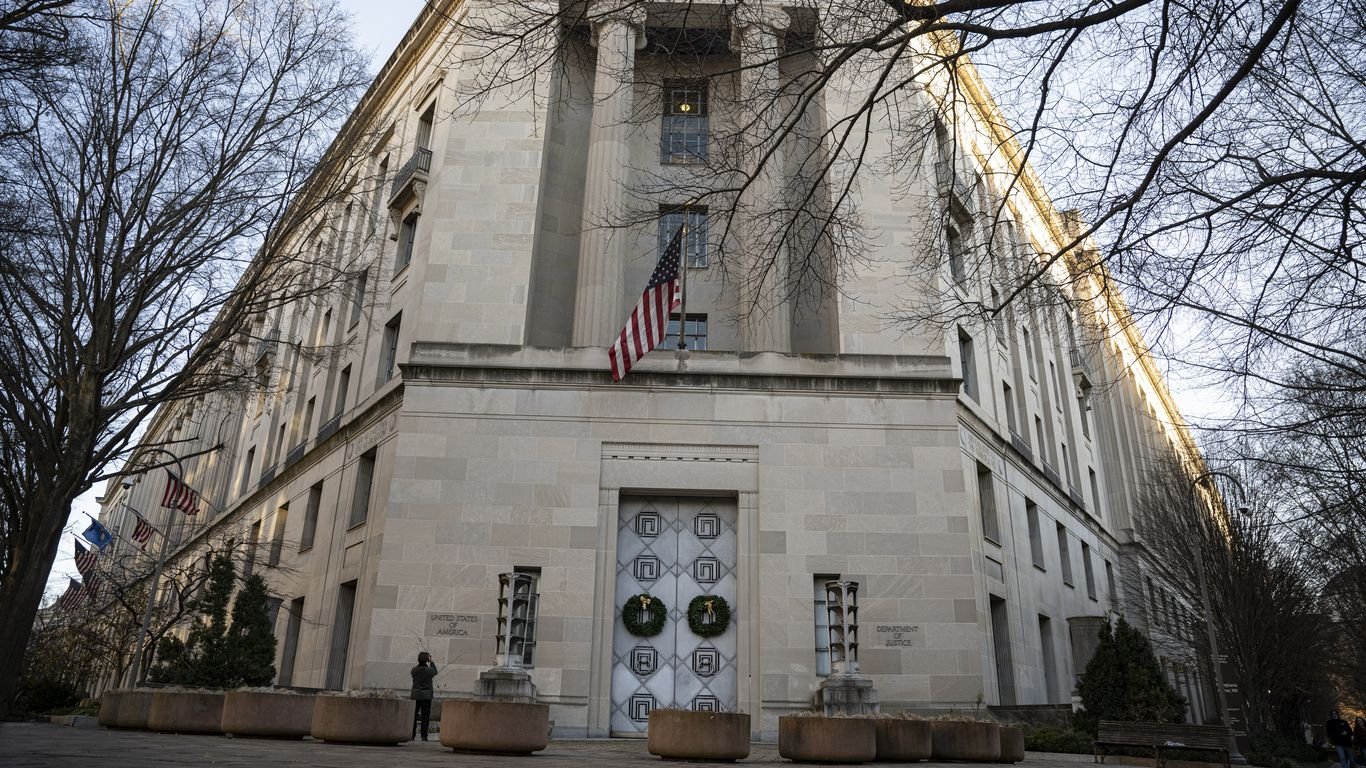
The Department of Justice has granted Congressional members access to unredacted files from the Jeffrey Epstein investigation, according to sources familiar with the arrangement. This development follows years of legal battles and public pressure regarding the release of documents connected to the disgraced financier accused of sex trafficking minors.
Approximately 40% of the previously sealed court documents were made public earlier this year after prolonged litigation. The wholetransfer of unredacted materials to Congressional oversight committees represents a significant escalation in transparency efforts. Lawmakers will now review complete victim testimonies, flight logs, and correspondence without protective redactions that previously concealed identities of Epstein's associates.
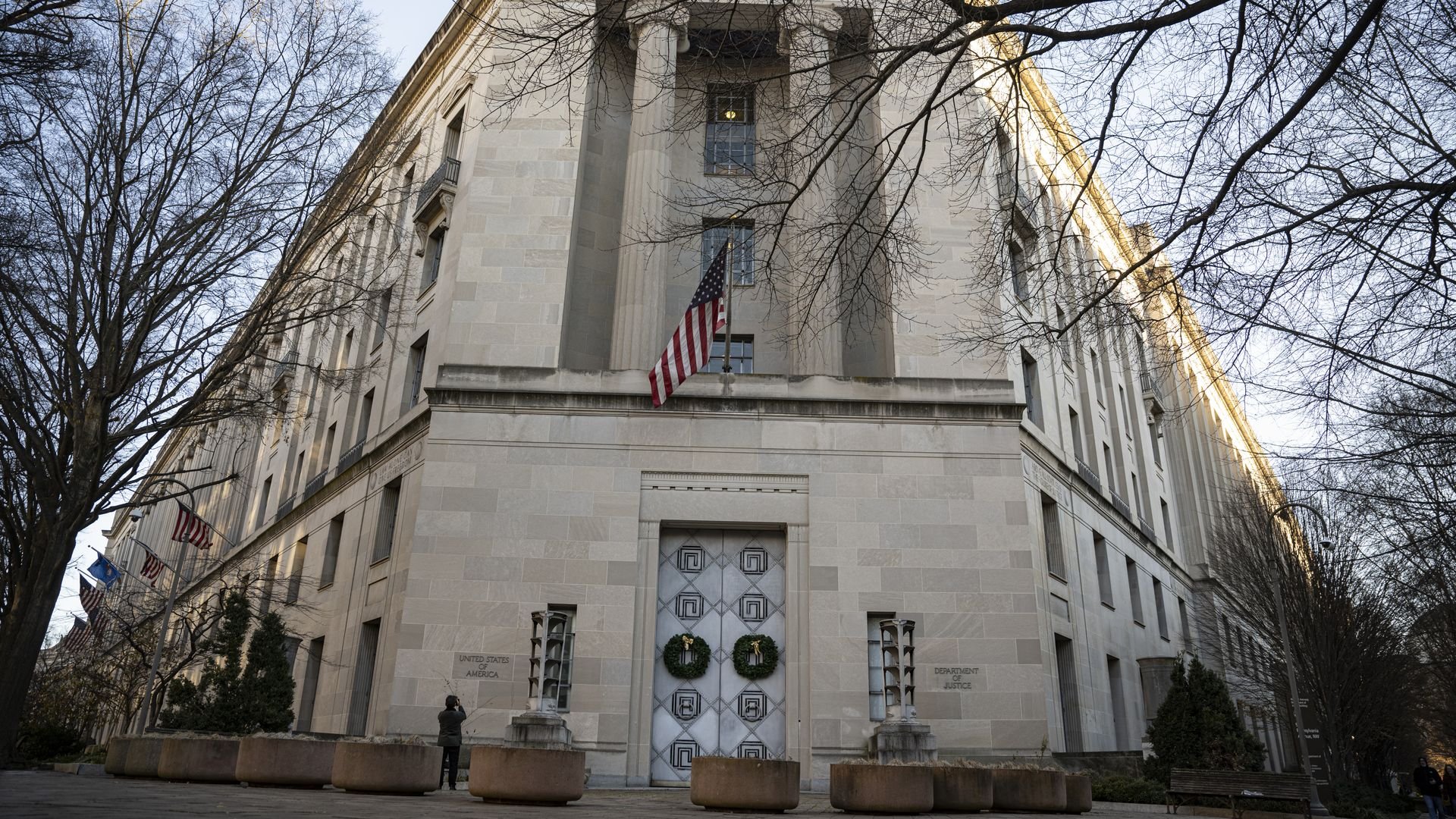
This access enables three critical developments: First, Congressional committees can pursue new investigative angles without waiting for judicial approval of document releases. Second, it potentially accelerates legislative efforts targeting financial loopholes exploited by sex traffickers, building on the $430 million in assets already forfeited in Epstein-related cases. Third, it establishes a precedent for Congressional oversight of sensitive DOJ investigations involving high-profile defendants.
Legal analysts note the move carries substantial political weight during an election year, with multiple committees potentially examining Epstein's network of contacts across business and political spheres. The unredacted materials reportedly contain information about approximately 150 associates previously shielded from public disclosure.
The DOJ retains strict confidentiality protocols prohibiting public dissemination of unredacted materials. Congressional staff must undergo specialized training before accessing the documents, and physical review occurs in secured facilities monitored by federal marshals. This controlled access framework aims to balance transparency needs with victim privacy protections required under federal law.
Financial institutions implicated in Epstein's activities face renewed scrutiny, particularly following JPMorgan Chase's $290 million settlement with victims last year. Additional banking relationships documented in the files could prompt further regulatory action. Lawmakers have indicated they'll examine whether Epstein's $577 million estate adequately compensates victims now that full documentation is available.
This unprecedented access signals a strategic shift in how Congress oversees sensitive investigations, potentially establishing new benchmarks for future high-profile cases involving influential networks.
Sources:
Comments
Please log in or register to join the discussion