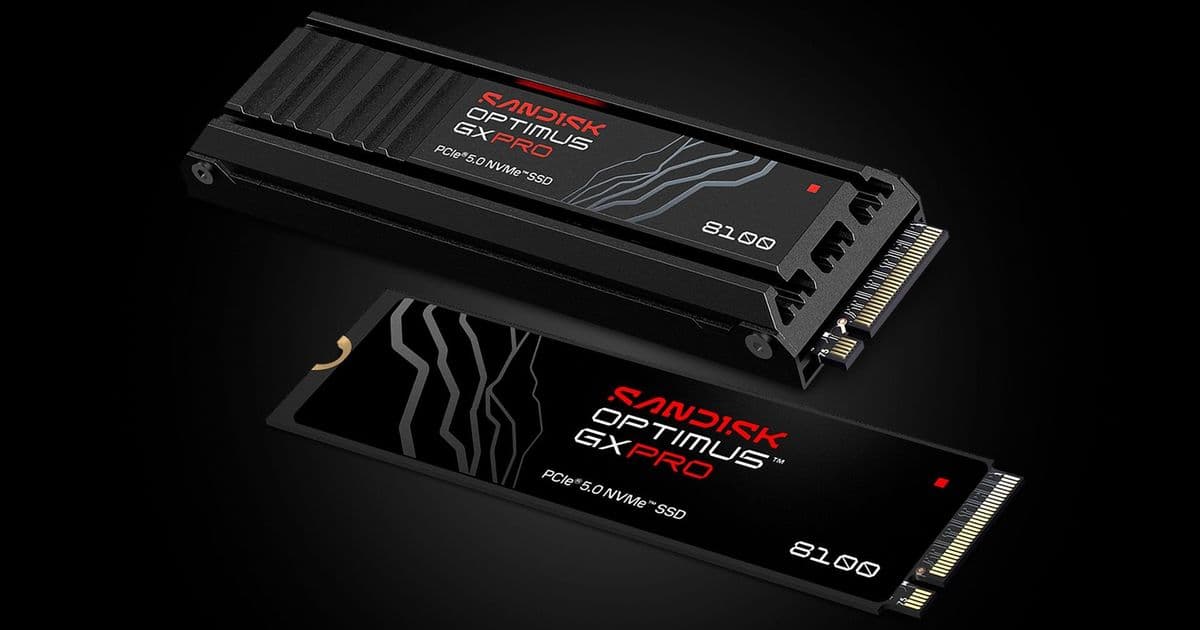
SanDisk's Optimus SSD lineup launches with 5% MSRP increases over WD Black predecessors, but Amazon markups push prices even higher. The rebranded drives offer identical performance to outgoing models, making the original WD Black series a better value as inventory phases out.
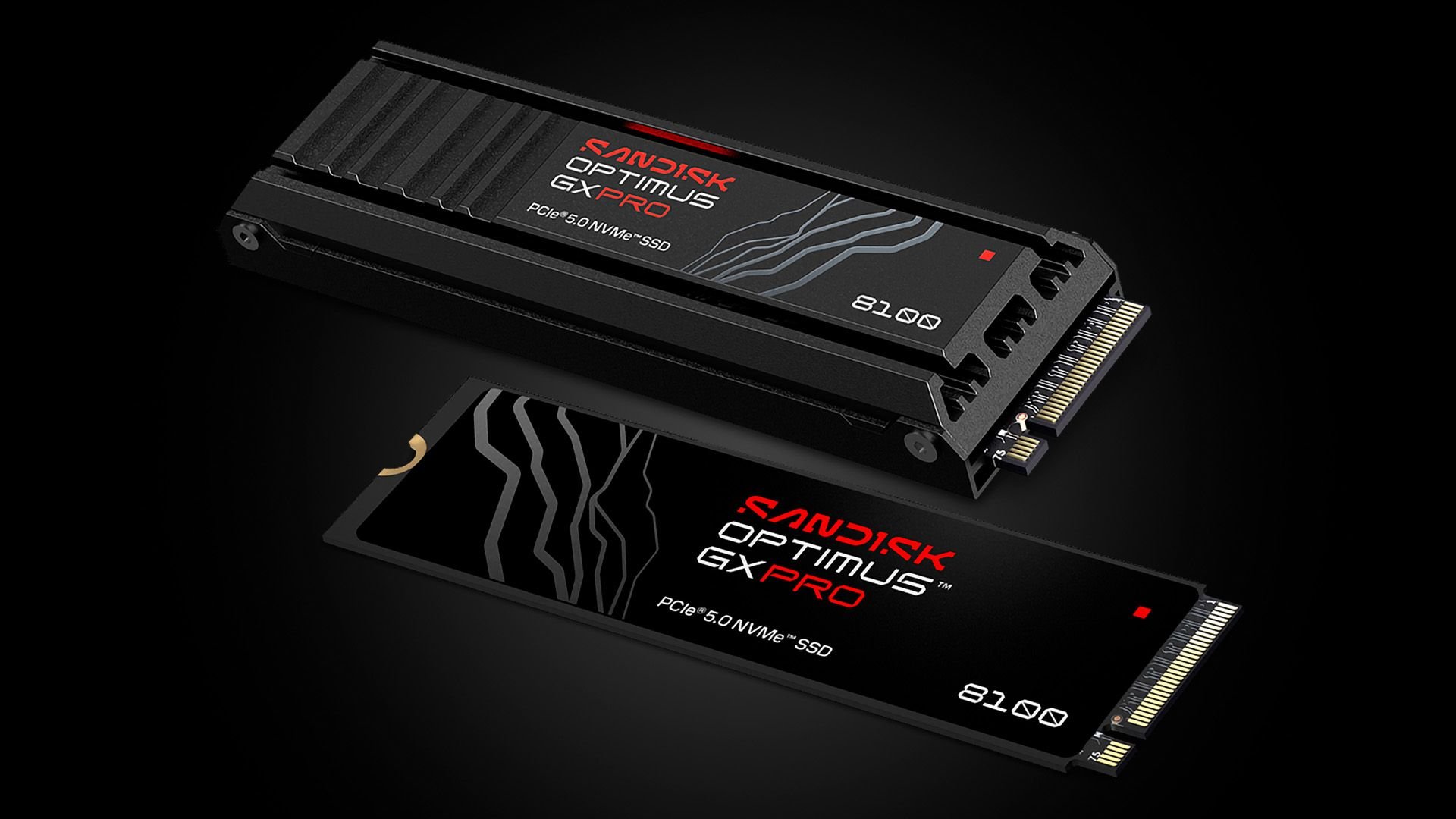
SanDisk's rebranded Optimus GX Pro 8100 series has officially launched on Amazon, bringing with it a wave of price increases that have left consumers questioning the value proposition of the company's latest storage offerings. The flagship 2TB model now carries a staggering $999 price tag, while the 4TB variant commands an eye-watering $1,799 – representing significant premiums over the outgoing WD Black SN8100 series that the Optimus lineup replaces.
The Rebranding Reality
Rebranding initiatives in the tech industry often aim to refresh product lines and reinvigorate consumer interest. In SanDisk's case, the Optimus transition represents more than just a name change – it's a strategic shift that comes with tangible costs for consumers. The company has implemented a modest 5% premium over the original models' MSRP, which on the surface seems reasonable for a rebranding effort that requires redesigning and marketing new drives.
However, the real-world impact proves far more dramatic. Amazon's pricing strategy has amplified these increases substantially, with the 1TB, 2TB, and 4TB models selling for $499, $999, and $1,949 respectively – up to 9% more expensive than prices on SanDisk's own online store. The optional heatsink configurations carry an additional 2% premium, compounding the already inflated costs.
Performance Parity, Price Disparity
The most striking aspect of the Optimus launch is that these price increases come without any corresponding performance improvements. The new drives maintain identical specifications to their WD Black predecessors, meaning consumers are essentially paying more for the same technology under a different name.
This performance parity creates a compelling case for sticking with the outgoing models while inventory remains available. The WD Black SN8100 series, which established SanDisk's reputation in the high-performance SSD market, continues to offer better value during this transition period.
Price Comparison Breakdown
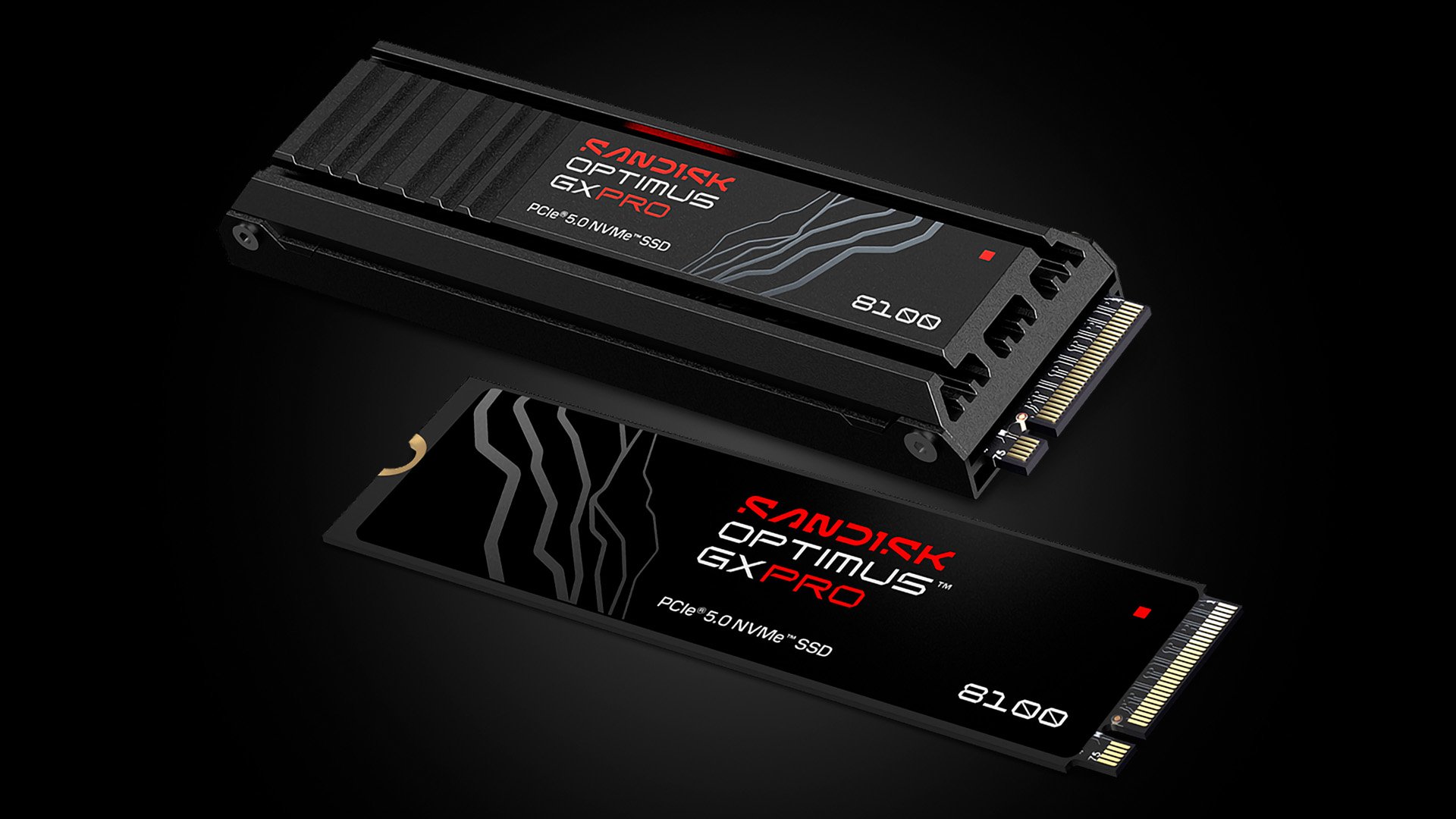 A detailed price analysis reveals the extent of the premium being charged:
Optimus GX Pro 8100 vs WD Black SN8100:
- 1TB: $459 vs $324 (42% increase)
- 2TB: $919 vs $644 (43% increase)
- 4TB: $1,799 vs $1,289 (40% increase)
Optimus GX 7100 vs WD Black SN7100:
- 1TB: $329 vs $219 (50% increase)
- 2TB: $659 vs $434 (52% increase)
- 4TB: $1,308 vs $869 (51% increase)
Optimus 5100 vs WD Blue SN5100:
- 1TB: $319 vs $209 (53% increase)
- 2TB: $638 vs $419 (52% increase)
- 4TB: $1,255 vs $829 (51% increase)
These figures demonstrate that the price increases extend across the entire product stack, affecting both premium and mainstream segments of SanDisk's SSD lineup.
Market Context and Timing
The Optimus launch comes amid broader market challenges affecting the SSD industry. Consumer SSD prices have surged by up to 50% since late 2024, with industry projections suggesting NAND pricing will continue rising throughout the first quarter of 2025. This pricing environment creates additional pressure on consumers already facing inflated costs.
SanDisk's decision to implement price increases during this period raises questions about market strategy. While the company needs to recoup rebranding investments, the timing coincides with broader industry-wide price pressures that may further strain consumer budgets.
The Value Proposition Dilemma
For consumers evaluating their options, the current market presents a clear choice: pay premium prices for rebranded technology with no performance benefits, or seek out the outgoing WD Black and WD Blue models while they remain available.
The value proposition becomes even more compelling when examining third-party retailer pricing. For instance, the WD Black SN8100 4TB can be found on Newegg for $859 – approximately 33% less expensive than the Optimus GX Pro 8100 4TB on SanDisk's own store, and nearly 56% cheaper than the Amazon listing.
Phased Transition Strategy
SanDisk has indicated that the previous WD color-based drives will coexist with their Optimus counterparts until existing inventory depletes. This phased approach provides consumers with a window of opportunity to purchase the outgoing models at their original price points.
However, this transition period appears to be accelerating. SanDisk has already begun phasing out the WD Black and WD Blue series, suggesting that inventory may become scarce sooner than anticipated. Once these models go out of stock, consumers will face the choice of paying the Optimus premium or seeking alternatives from other manufacturers.
Warranty and Support Considerations
Despite the rebranding and price increases, SanDisk has committed to providing product support and warranty coverage for both the outgoing WD-colored models and the new Optimus lineup. This continuity ensures that consumers who opt for the older models won't face support disadvantages, even as the product lines diverge.
Market Implications
The Optimus launch represents a significant shift in SanDisk's market positioning. By implementing substantial price increases without corresponding performance improvements, the company appears to be prioritizing margin expansion over competitive pricing strategies.
This approach may prove risky in the current market environment, where consumers have multiple SSD options from various manufacturers. The lack of performance differentiation makes the Optimus lineup particularly vulnerable to competition from both established players and emerging brands offering better value propositions.
Consumer Recommendations
For consumers in the market for high-performance SSDs, the current situation suggests several strategic approaches:
Act Quickly on WD Black Models: If the performance and reliability of the WD Black series appeal to you, consider purchasing now while inventory remains at pre-rebrand prices.
Compare Retailer Pricing: The significant price variations between SanDisk's store and Amazon demonstrate the importance of shopping around, even for branded products.
Evaluate Alternative Brands: With SanDisk increasing prices substantially, competitors may offer better value propositions for similar performance levels.
Consider Future Price Trends: Given industry projections for continued NAND price increases, current prices may represent a relative bargain compared to upcoming releases.
Conclusion
The SanDisk Optimus SSD launch represents a fascinating case study in product rebranding strategy and market positioning. While the company has successfully refreshed its product lineup with new branding and design elements, the substantial price increases without performance improvements create a challenging value proposition for consumers.
As the transition from WD Black and WD Blue to Optimus continues, consumers face a narrowing window to acquire the outgoing models at their original price points. The current market dynamics, characterized by industry-wide price pressures and the absence of performance differentiation, suggest that careful shopping and timing will be essential for those seeking high-performance storage solutions in 2025.
 The Optimus launch ultimately raises important questions about the balance between brand evolution and consumer value – a tension that will likely continue to shape the SSD market as manufacturers navigate challenging economic conditions and evolving consumer expectations.
Comments
Please log in or register to join the discussion