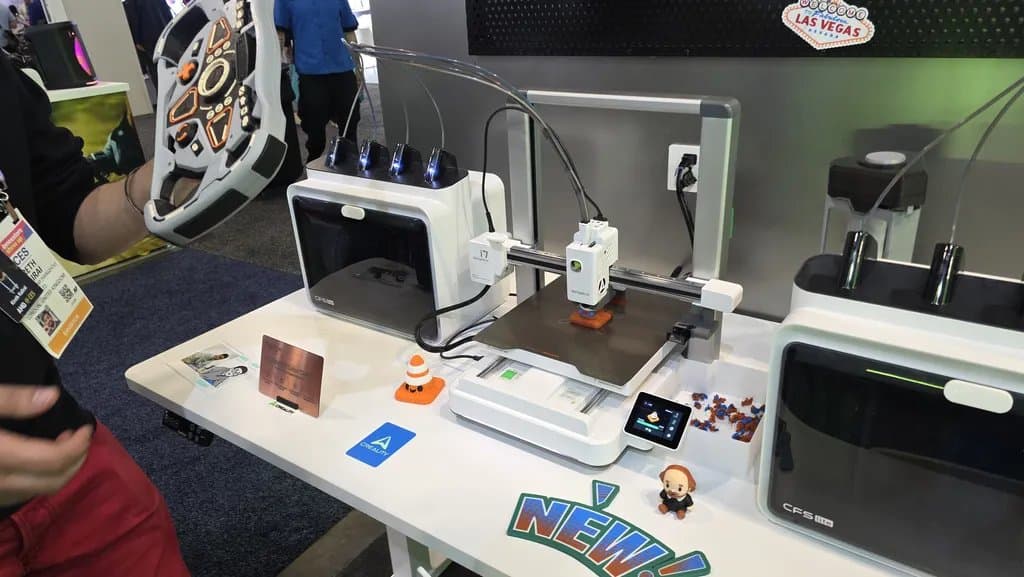
Creality, AtomForm, Snapmaker, and Protopasta showcased significant advancements in consumer 3D printing at CES 2026, featuring multicolor systems, high-speed tool changers, and novel materials that signal accelerated mainstream adoption.
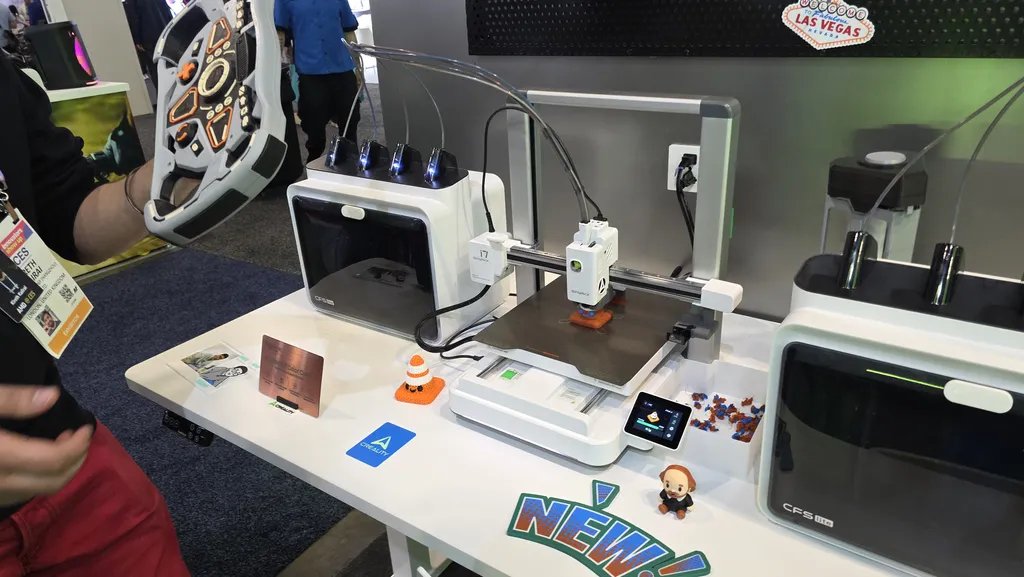
The 2026 Consumer Electronics Show highlighted transformative developments in consumer-grade 3D printing, with major manufacturers unveiling systems that push technical boundaries while lowering barriers to entry. Creality secured Tom's Hardware's Best 3D Printer award for its SPARKX i7, while newcomers like AtomForm demonstrated industrial-grade capabilities at consumer price points.
Creality's Ecosystem Expansion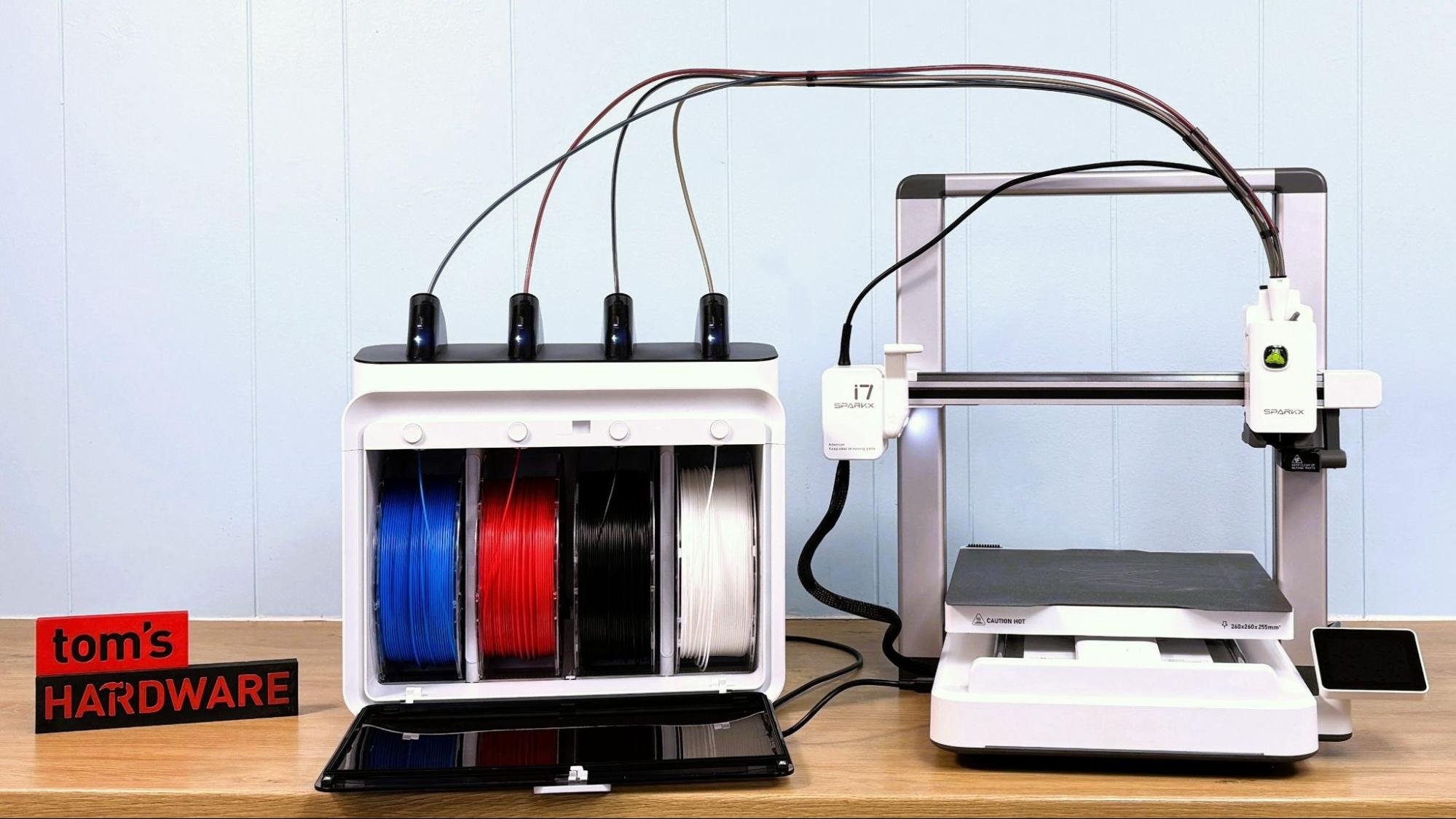
The award-winning SPARKX i7 integrates AI-assisted operation with practical multicolor functionality. Its CoreXY architecture achieves print speeds up to 300mm/s with a 0.05mm layer resolution. The system's quick-swap hotend reduces maintenance downtime by 70% compared to previous models, while the integrated CFS Lite filament system supports up to four materials simultaneously. Programmable RGB lighting provides visual status alerts, complementing the Creality Cloud app that enables direct wireless printing from a curated library. The company also displayed its Falcon T1 laser engraver with five swappable laser modules (5W-40W range) and the Sermoon 3D scanner, positioning Creality as a full-spectrum home fabrication provider.
AtomForm's Industrial-Grade Innovation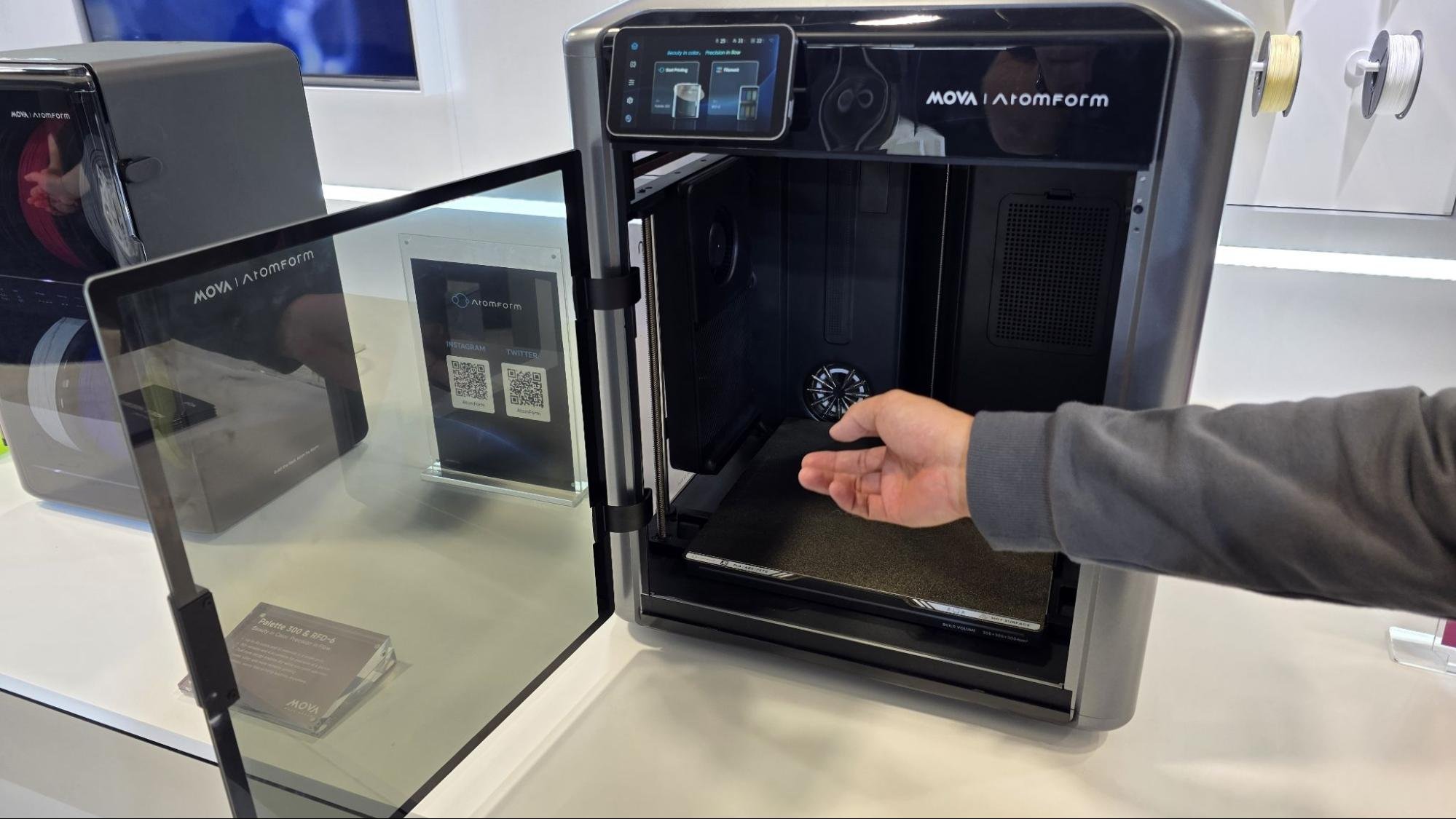
Debuting under parent company MOVA Group (a Xiaomi ecosystem partner), AtomForm's Palette 300 introduces a CoreXY chassis with automated nozzle-swapping via its OmniElement system. Twelve nozzles rotate on a carousel mechanism, enabling 36-material printing within a 300³ mm build volume. Four internal cameras and 50 sensors monitor extrusion consistency, reducing purge waste by up to 85% according to company claims. The system targets print speeds of 800mm/s with 25,000 mm/s² acceleration—figures typically seen in industrial machines. 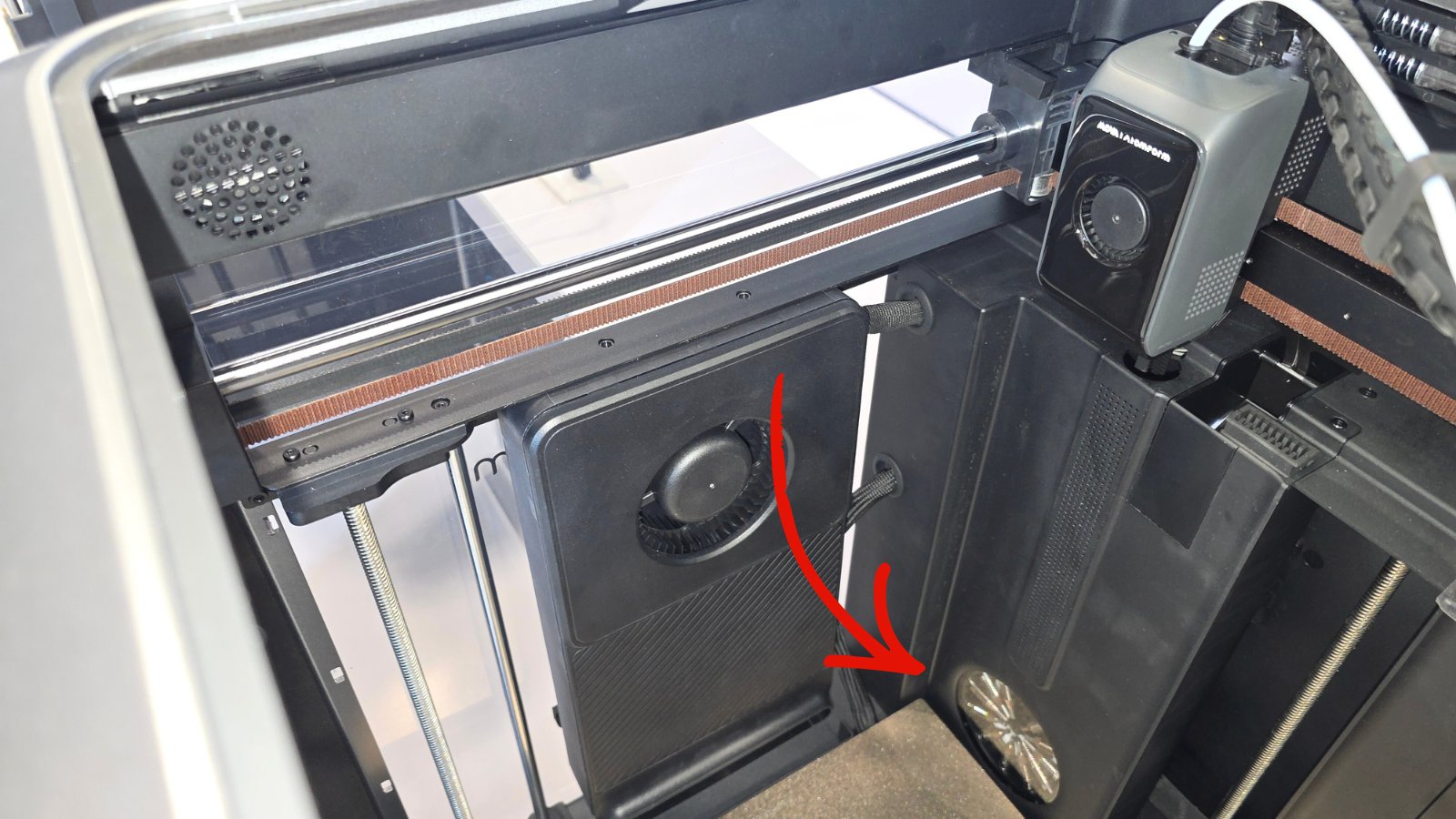 shows the nozzle-swapping mechanism where a vertical column retrieves, orients, and installs print heads. AtomForm plans a Q3 2026 Kickstarter launch starting at $999 for the base unit, with a six-spool RFD-6 combo priced at $1,299.
Specialized Applications Emerge
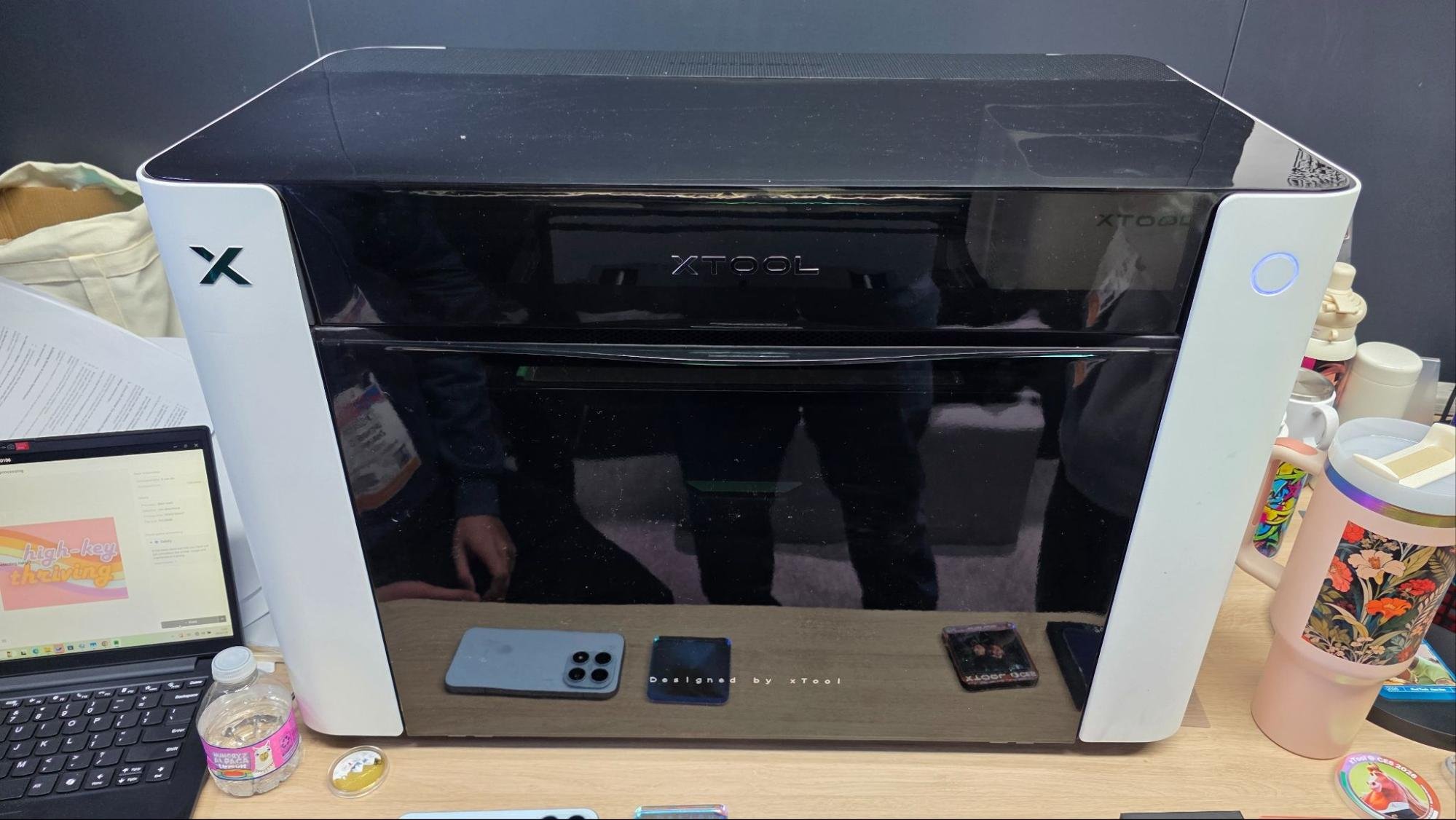
xTool demonstrated a prototype UV texture printer capable of depositing photopolymer layers onto objects, targeting small businesses with an anticipated price below industrial systems. Their flagship P3 CO₂ laser ($6,499) and F2 Ultra fiber laser ($4,699) expand material processing options for prosumers.
Protopasta unveiled Quantum Dot PLA filament containing semiconductor nanocrystals that emit intense fluorescence under UV light—achieving 220% greater luminosity than standard glow-in-the-dark materials through precise nanoparticle dispersion. Available via limited subscription until February 2026, the material exemplifies chemistry-driven performance gains.
Market Implications
Snapmaker leveraged CES to transition its $20M-funded U1 multicolor printer from Kickstarter to retail, showcasing tool-changing technology with near-zero waste. This trend toward ecosystem development—seen in Creality's app integration and AtomForm's Xiaomi-backed manufacturing pipeline—signals industry maturation. With multicolor systems now priced under $1,000 and print speeds approaching industrial benchmarks, these advancements reduce the performance gap between consumer and professional gear. Supply chain advantages from Chinese electronics conglomerates enable rapid feature adoption, suggesting accelerated innovation cycles through 2027.
Comments
Please log in or register to join the discussion