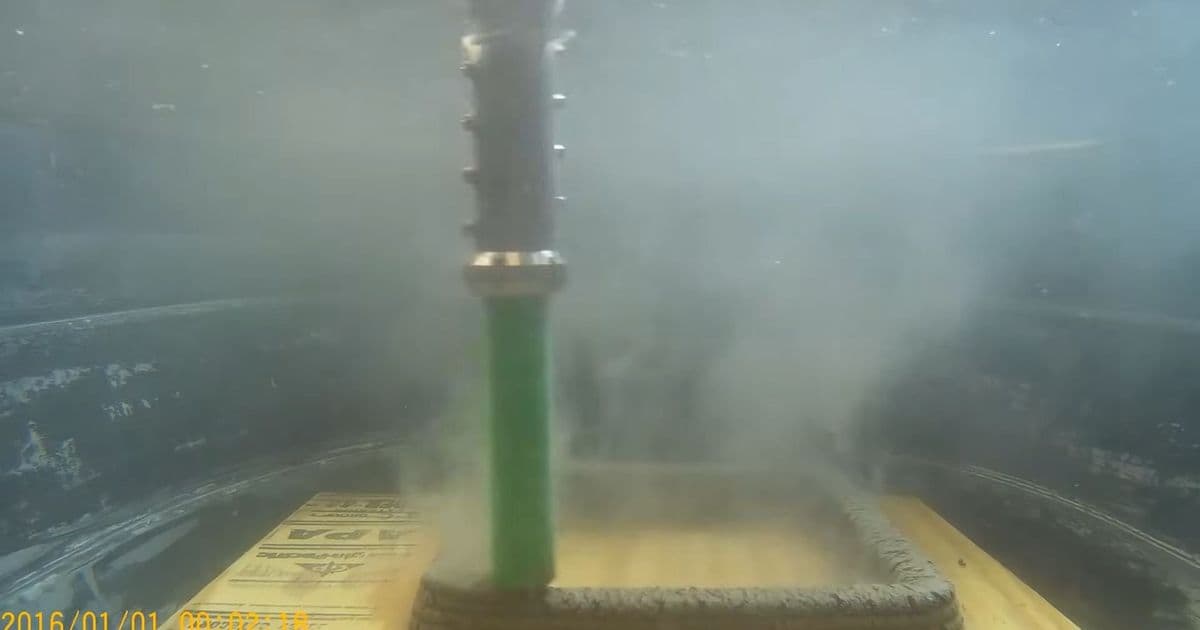
Cornell University researchers have developed a method for 3D printing concrete structures on the seafloor using repurposed sediment and specialized anti-washout concrete, potentially making underwater construction faster, cheaper, and more environmentally friendly.
Researchers at Cornell University have developed a breakthrough method for 3D printing concrete structures directly on the seafloor, potentially transforming how underwater construction and repair projects are executed. The interdisciplinary team, led by Sriramya Nair, assistant professor of civil and environmental engineering, has created a system that addresses the longstanding challenges of subsea construction—namely its slow pace, high costs, and environmental disruption.
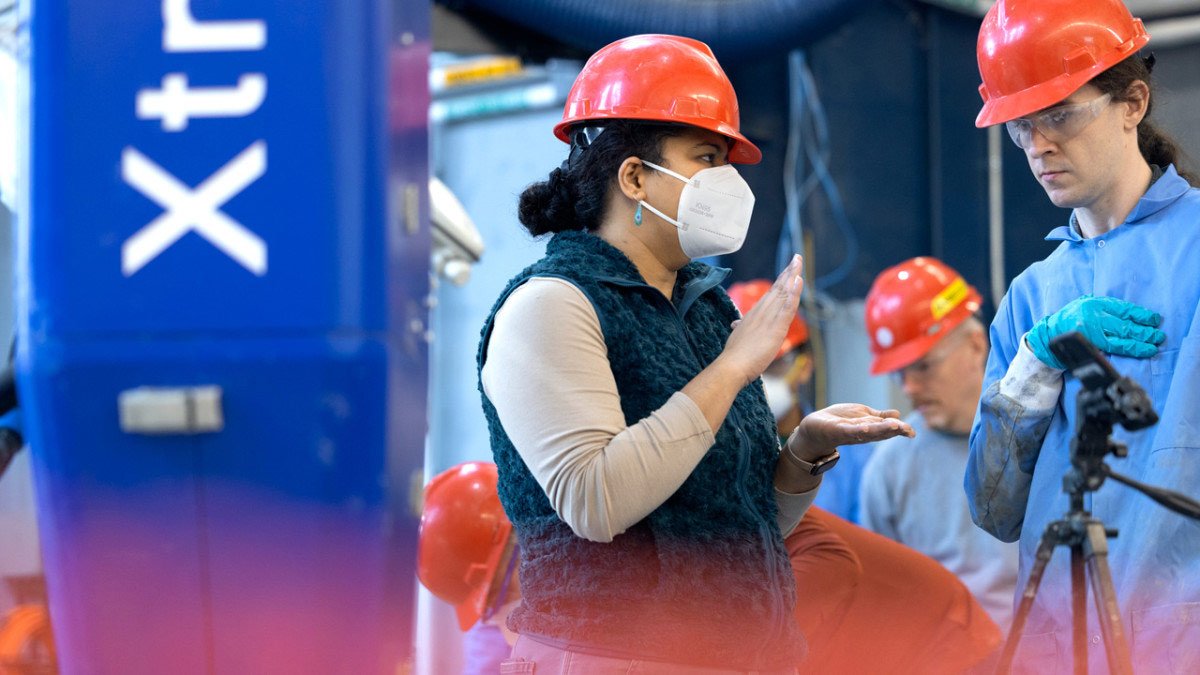
The project emerged from an existing collaboration that was already working with a 6,000-pound industrial robot for large-scale 3D printing of concrete structures on land. When the Department of Defense's Defense Advanced Research Projects Agency (DARPA) issued a call for proposals seeking 3D printing technology capable of operating several yards beneath the sea, the Cornell team recognized an opportunity. "We said, 'Hey, let's just do this and see, so that we will at least understand what the challenges are,'" recalls Nair.
The team's hunch proved successful, earning them a $1.4 million grant contingent on meeting specific benchmarks. Early results have been promising, demonstrating that underwater 3D printing is not only feasible but could offer significant advantages over traditional methods.
Overcoming the Washout Challenge
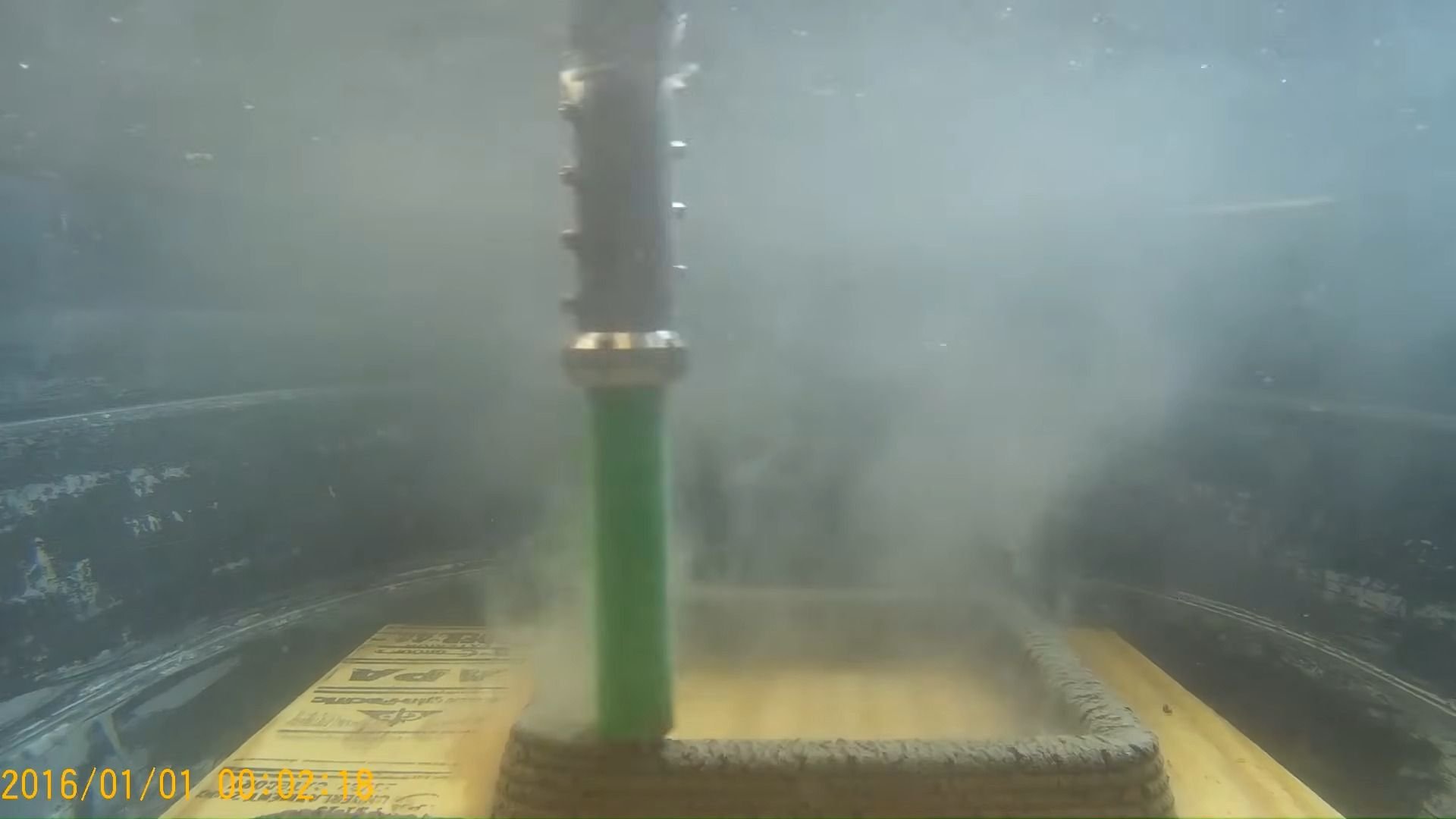
One of the most significant technical hurdles in underwater 3D printing is washout—the tendency for cement to disperse in water rather than binding to itself or its intended location. The Cornell researchers tackled this challenge through careful experimentation to achieve an optimal balance between material viscosity and pumpability. This delicate calibration ensures that the concrete maintains its shape and structural integrity when deposited underwater.
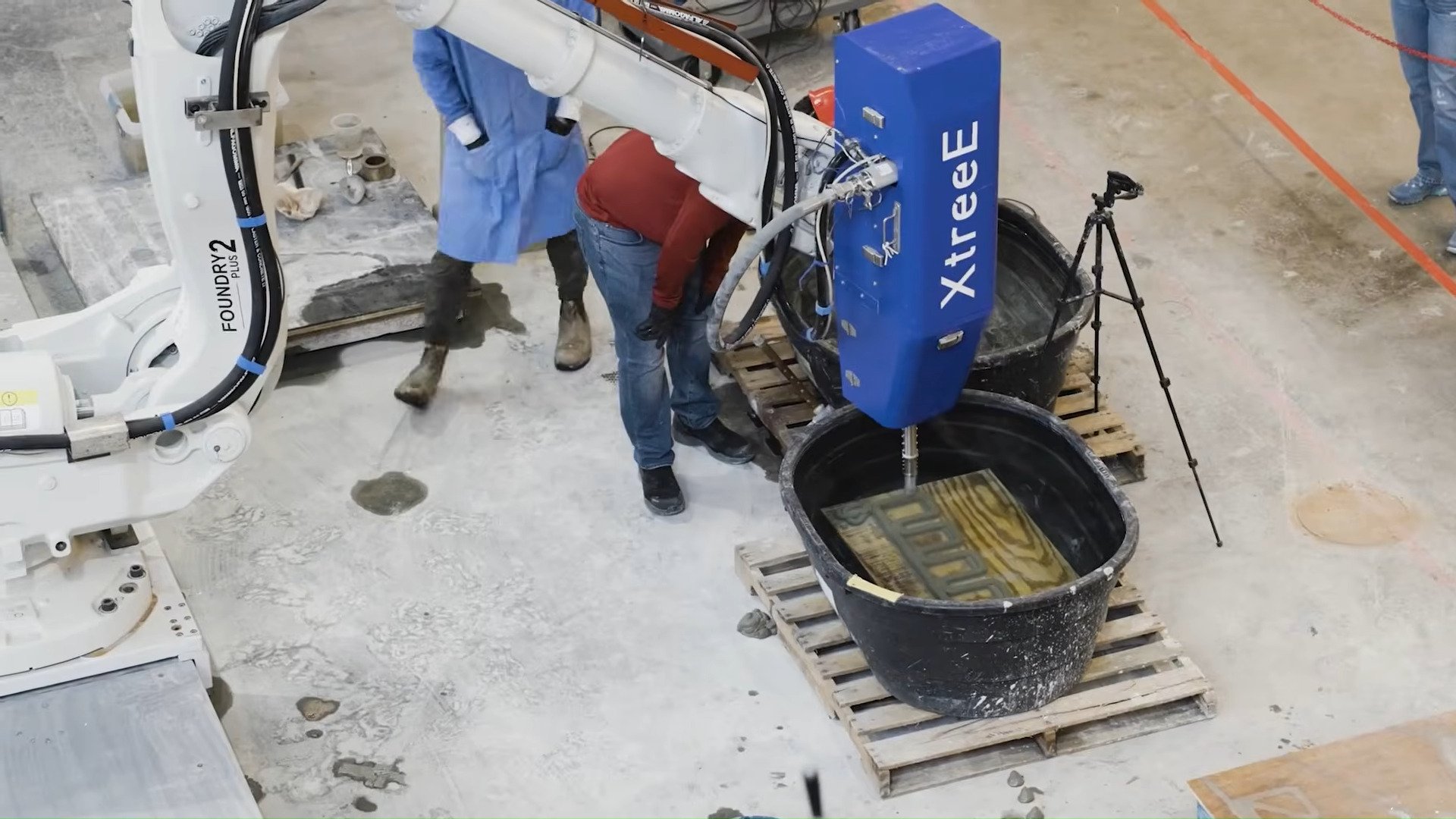
The team has been testing their underwater 3D printing systems in large water tanks, demonstrating the technology's capability to create concrete structures with minimal disturbance to the surrounding ocean environment. These controlled tests have validated the approach and provided valuable data for refining the process.
Environmental and Logistical Advantages
DARPA's requirements added another layer of complexity to the project. The agency specifically mandated that the concrete mix incorporate seafloor sediment as a major ingredient. While this requirement served logistical purposes—reducing the need to transport materials to underwater construction sites—it also offered environmental benefits by repurposing materials already present in the underwater area.
This approach minimizes the environmental footprint of underwater construction projects. Traditional methods often involve significant disruption to marine ecosystems through dredging, heavy equipment operation, and the introduction of foreign materials. By using locally sourced sediment and reducing the need for large-scale equipment deployment, the 3D printing method could substantially lessen these impacts.
Advanced Sensing for Low-Visibility Conditions
The underwater environment presents unique challenges beyond material science. Low visibility conditions make it difficult to monitor and control the printing process. The Cornell team has developed new sensing systems that allow for careful monitoring and real-time adaptation of the 3D printing process, even in murky underwater conditions. These sensing technologies are crucial for ensuring the precision and quality of printed structures when visual confirmation is limited.
The Path Forward: DARPA Bake-Off
While the Cornell team believes they have addressed the core challenges of underwater 3D printing, the technology is not yet considered the definitive solution for subsea construction. The team will participate in a DARPA "bake-off" in March, where they will compete against five other teams to 3D print an underwater arch to specification.
This competition will serve as a critical proving ground for the technology, demonstrating its capabilities in a real-world scenario and potentially accelerating its adoption for practical applications. The bake-off format also encourages innovation and refinement, as teams strive to demonstrate the most effective and efficient approaches.
Implications for Ocean Infrastructure
If successful, this technology could revolutionize the construction and maintenance of underwater infrastructure. Applications could include:
- Repair and maintenance of offshore oil and gas platforms
- Construction of underwater research facilities
- Installation and repair of undersea communication cables
- Development of marine renewable energy infrastructure
- Coastal protection structures
- Underwater habitat construction
The potential cost savings are substantial. Traditional underwater construction requires specialized equipment, extensive planning, and often involves significant risks to human divers. A robotic 3D printing system could reduce these requirements, making projects faster, safer, and more economical.
Looking Ahead
The Cornell team's work represents a significant step forward in underwater construction technology. By addressing the fundamental challenges of material behavior, environmental impact, and operational control, they have opened new possibilities for how we build and maintain infrastructure in marine environments.
As the technology continues to mature and prove itself in competitive demonstrations like the upcoming DARPA event, we may be witnessing the early stages of a transformation in underwater construction—one that could make the ocean's depths more accessible for human development while minimizing environmental disruption.
The implications extend beyond immediate practical applications. This research demonstrates how interdisciplinary collaboration, combining expertise in civil engineering, robotics, materials science, and environmental engineering, can tackle complex challenges that were previously considered intractable. As climate change and rising sea levels increase the importance of coastal and underwater infrastructure, innovations like this will become increasingly valuable.
Comments
Please log in or register to join the discussion