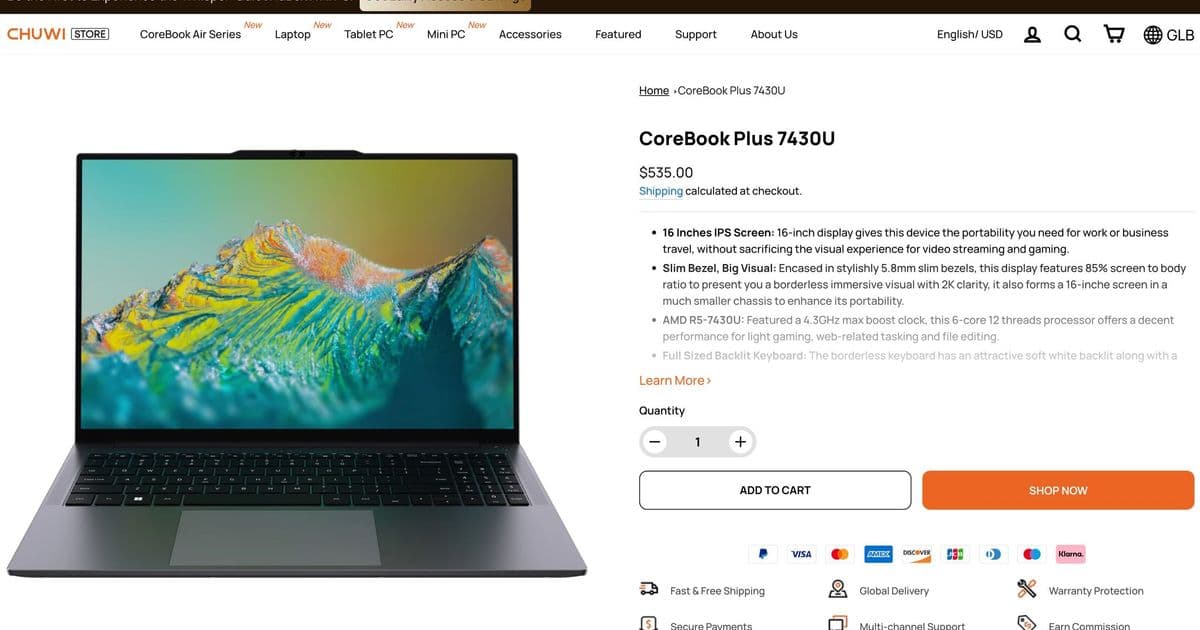
Notebookcheck uncovers deliberate processor spoofing in Chuwi's CoreBook Plus, revealing systematic fraud after vendor threatens legal action over initial report.
A deepening processor fraud scandal has erupted in the laptop market after Notebookcheck uncovered a second Chuwi device containing a deliberately disguised Ryzen 5 5500U chip masquerading as the newer Ryzen 5 7430U. The discovery comes after Chuwi allegedly threatened legal action against the publication for its initial reporting on the CoreBook X model, suggesting the company may be attempting to suppress evidence of systematic tampering in its supply chain.
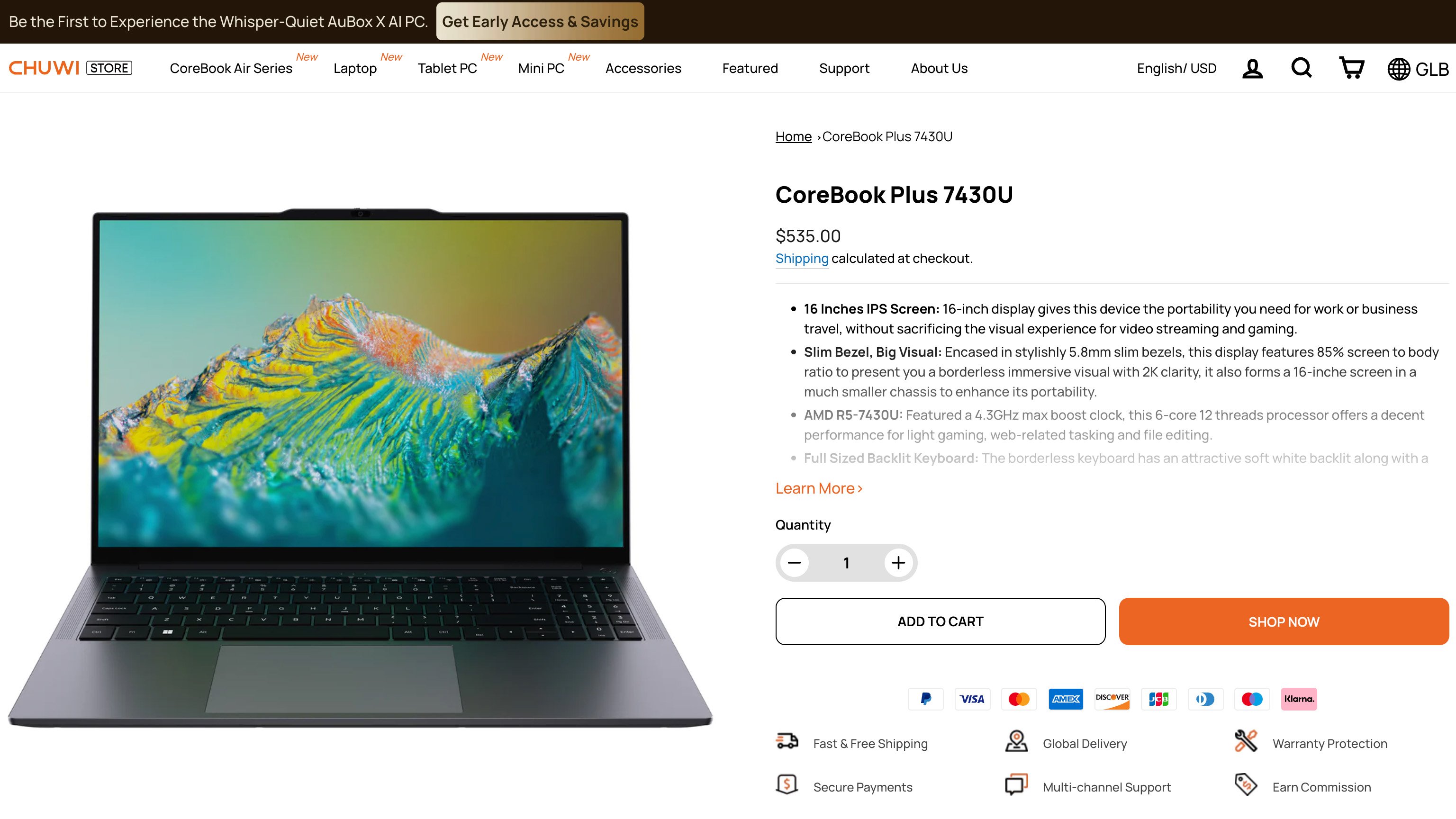
The CoreBook Plus 7430U, purchased from a reputable German retailer, revealed identical fraud patterns to the previously exposed CoreBook X. Despite packaging and BIOS information clearly identifying the processor as a Ryzen 5 7430U, teardown analysis confirmed the presence of an older Ryzen 5 5500U chip with altered firmware to spoof the newer model's identification.
Technical Analysis Reveals Deliberate Tampering
The fraud extends beyond simple mislabeling. System information utilities including CPU-Z, Windows Device Manager, and BIOS firmware all report the processor as a Ryzen 5 7430U, indicating sophisticated firmware-level manipulation. The physical processor bears the OPN number 100-000000375, which corresponds to the Ryzen 5 5500U, while the genuine Ryzen 5 7430U carries OPN 100-000000943.
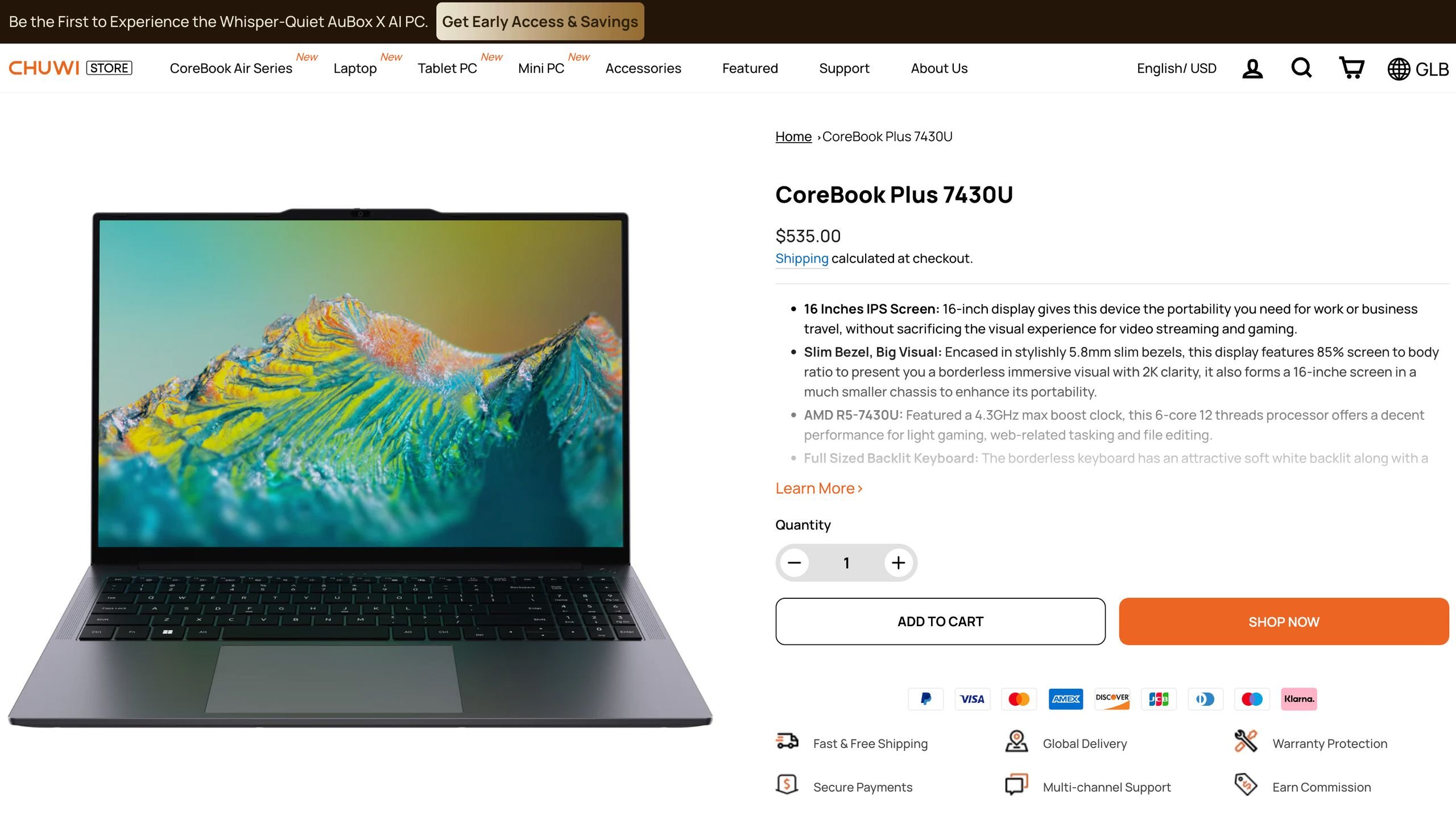
Performance differences between the two chips are substantial enough to impact user experience. The Ryzen 5 7430U, built on AMD's Zen 3 architecture, offers base clocks of 2.3 GHz with boost speeds up to 4.3 GHz, 16MB of L3 cache, and a 15W TDP. The older Ryzen 5 5500U uses Zen 2 architecture with base clocks of 2.1 GHz, boost speeds up to 4.0 GHz, only 8MB of L3 cache, and identical 15W power consumption.
Performance Impact and Consumer Deception
Benchmarks reveal the Ryzen 5 7430U delivers approximately 7% better performance on average compared to the 5500U, with certain workloads showing deltas as high as 20%. The cache reduction from 16MB to 8MB particularly impacts applications that benefit from larger memory pools, while the clock speed differences affect single-threaded performance.
For consumers, the deception is particularly insidious. Both chips share the same core count (6 cores, 12 threads) and similar power profiles, making them appear comparable at first glance. However, the two-year generational gap between Zen 2 and Zen 3 architectures represents significant architectural improvements in instructions per clock, power efficiency, and feature support.
Supply Chain Implications and Market Impact
The CoreBook Plus uses an entirely different motherboard than the CoreBook X, ruling out the possibility of a single "defective batch" explanation. This suggests systematic fraud occurring at the processor level before devices reach Chuwi's assembly facilities. The question remains whether Chuwi is complicit in the deception or if its suppliers are exploiting the company's quality control processes.
Priced at $535 with 16GB RAM and 512GB SSD storage, the CoreBook Plus sits in the mid-range laptop market where consumers expect genuine specifications matching advertised performance. The Ryzen 5 5500U's lower production costs could provide significant profit margins when sold as the more expensive 7430U model.
Industry-Wide Concerns and Quality Control
This scandal raises broader questions about processor authentication in the laptop supply chain. Unlike desktop processors where enthusiasts can easily verify specifications, laptop CPUs are typically soldered to motherboards and difficult to inspect without specialized tools. The firmware-level spoofing makes detection nearly impossible for average consumers without disassembly.
AMD's processor identification system, which relies on OPN numbers and firmware reporting, appears vulnerable to manipulation at the firmware level. This suggests potential weaknesses in how processor authentication is handled throughout the supply chain, from manufacturing to final assembly.
Legal and Reputational Fallout
Chuwi's reported threats of legal action against Notebookcheck for its initial reporting have backfired, drawing additional scrutiny to the company's practices and suggesting possible awareness of the fraud. The publication's decision to purchase and test additional devices demonstrates the importance of independent verification in an industry where supply chain transparency remains limited.
The scandal could have lasting implications for Chuwi's reputation and sales, particularly in European markets where consumer protection laws are stringent. Retailers may face pressure to verify processor authenticity before selling devices, potentially creating new quality control requirements across the industry.
Technical Specifications Comparison
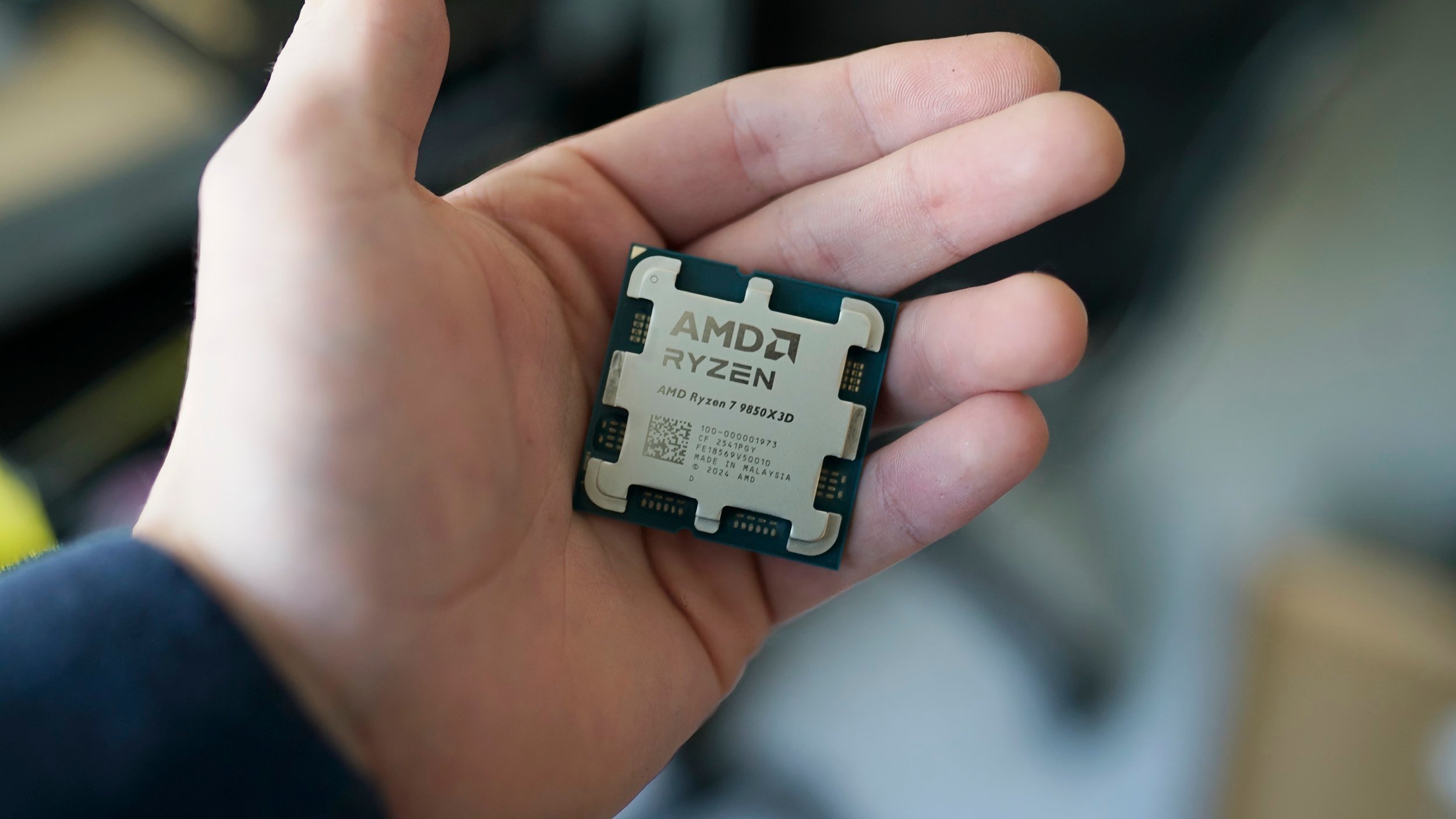
| Specification | Ryzen 5 7430U | Ryzen 5 5500U |
|---|---|---|
| Architecture | Zen 3 (Barcelo-R) | Zen 2 (Lucienne) |
| Cores/Threads | 6/12 | 6/12 |
| Base Clock | 2.3 GHz | 2.1 GHz |
| Boost Clock | 4.3 GHz | 4.0 GHz |
| L3 Cache | 16MB | 8MB |
| TDP | 15W | 15W |
| OPN Number | 100-000000943 | 100-000000375 |
Market Response and Future Implications
The discovery of systematic processor fraud in multiple Chuwi models suggests this may be more widespread than initially apparent. Other manufacturers using similar supply chains could be vulnerable to the same type of fraud, particularly those operating with thin margins and limited quality control resources.
For consumers, this scandal highlights the importance of purchasing from reputable retailers with return policies and the need for better processor authentication methods. Industry groups may need to develop standardized verification procedures to prevent similar fraud in the future.
As investigations continue, the laptop market faces increased scrutiny over component authenticity and supply chain transparency. The Chuwi scandal serves as a wake-up call for manufacturers, retailers, and consumers about the vulnerabilities in current processor authentication systems and the potential for sophisticated fraud in the consumer electronics supply chain.
Comments
Please log in or register to join the discussion