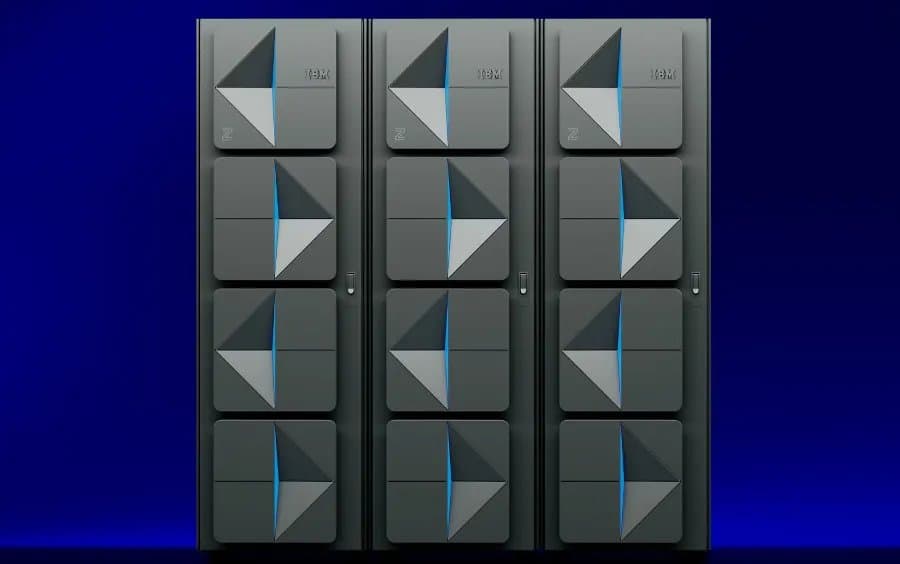
IBM has released a second iteration of Linux kernel patches enabling ARM64 virtualization acceleration on IBM Z/s390 servers, marking progress in the company's 'dual architecture' collaboration with Arm.
In a continued push toward heterogeneous computing capabilities, IBM has posted the second version of Linux kernel patches designed to enable ARM64 KVM virtualization on their s390 mainframe architecture. This development represents a significant technical achievement, allowing AArch64 software to run efficiently on IBM's enterprise-grade Z systems through the Kernel-based Virtual Machine (KVM) hypervisor.
The updated patches, still marked as Request For Comments (RFC) and therefore not yet ready for mainline kernel integration, show measurable progress from the initial announcement in early April. According to the patch notes, the second iteration addresses several implementation challenges while improving the overall architecture of the hybrid virtualization solution.
Technical Improvements in the Second Patch Series
The most notable architectural change in this second version is the replacement of header file copying with symlinks for ARM headers. This approach offers several advantages:
- Reduced code duplication
- Simplified maintenance path
- More efficient build process
- Better alignment with kernel development best practices
Additionally, IBM engineers have moved more code into s390-specific directories, improving code organization and making the implementation cleaner. These structural changes suggest a maturing codebase that's moving beyond initial proof-of-concept toward production-ready implementation.
The patch series addresses various smaller issues identified in the first iteration, including:
- Memory management improvements
- Virtual device emulation enhancements
- Better exception handling for ARM64 guests
- Performance optimizations in the virtualization layer
Significance of Dual Architecture Virtualization
This work represents IBM's commitment to their 'dual architecture' initiative announced earlier this year in collaboration with Arm. The ability to run ARM64 virtual guests on s390 hosts opens several compelling use cases:
- Legacy application modernization: Running newer ARM-based applications alongside traditional s390 workloads
- Development efficiency: Testing ARM software on production-grade s390 infrastructure
- Resource consolidation: Mixed architecture workloads on the same physical hardware
- Security isolation: Running potentially vulnerable ARM code in contained virtual environments
For enterprise customers, this capability could reduce the need for dedicated ARM test infrastructure while maintaining the reliability and mainframe-class features of s390 systems.
Performance and Compatibility Considerations
While the patches don't include specific benchmark data in their current form, the implementation suggests several performance optimizations:
- Direct hardware passthrough for ARM virtual machines where possible
- Reduced virtualization overhead compared to software-only emulation
- Efficient context switching between s390 host and ARM64 guests
Compatibility appears to be a key focus, with the patches designed to work across multiple s390 generations. The modular approach suggests that the virtualization layer can adapt to different hardware capabilities while maintaining consistent guest performance.
Development Status and Timeline
The RFC status indicates that significant changes may still occur before these patches reach the mainline Linux kernel. Based on the development cycle of previous s390 virtualization features, we can expect:
- At least one more major revision addressing architectural feedback
- Performance testing and optimization phases
- Integration with other kernel subsystems
- Documentation updates and user space tool adjustments
Given the complexity of the implementation, mainline inclusion might not occur until the Linux 6.10 or 6.11 development cycle, which would place a stable release sometime in 2027.
Practical Implications for Enterprise Deployments
For organizations running IBM Z infrastructure, these patches could eventually enable:
- Hybrid cloud workloads: Running containerized ARM applications alongside traditional mainframe workloads
- Development environments: Creating isolated ARM64 test environments without additional hardware
- Migration paths: Gradual transition of certain workloads from x86 to ARM while maintaining s390 infrastructure
Homelab enthusiasts and smaller enterprises might benefit from the ability to experiment with ARM virtualization on more accessible s390 systems, potentially through IBM's LinuxOne offerings.
Technical Challenges Remaining
Despite the progress, several technical challenges remain:
- Memory management between different architectures
- I/O virtualization compatibility
- Live migration support for ARM64 guests
- Security model integration with s390's existing protections
The patches represent an important step forward in heterogeneous virtualization, but significant work remains before this becomes a production-ready feature.
For those interested in following this development, the patches are available through the Linux kernel mailing list and can be tracked in the official kernel development process. IBM has indicated that further refinements are expected based on community feedback.
This continued investment in dual architecture support demonstrates IBM's recognition of the growing importance of ARM in enterprise computing, while leveraging the unique strengths of their s390 platform. As virtualization continues to evolve, the ability to seamlessly run multiple architectures on the same hardware will become increasingly valuable for organizations managing complex IT environments.
Comments
Please log in or register to join the discussion