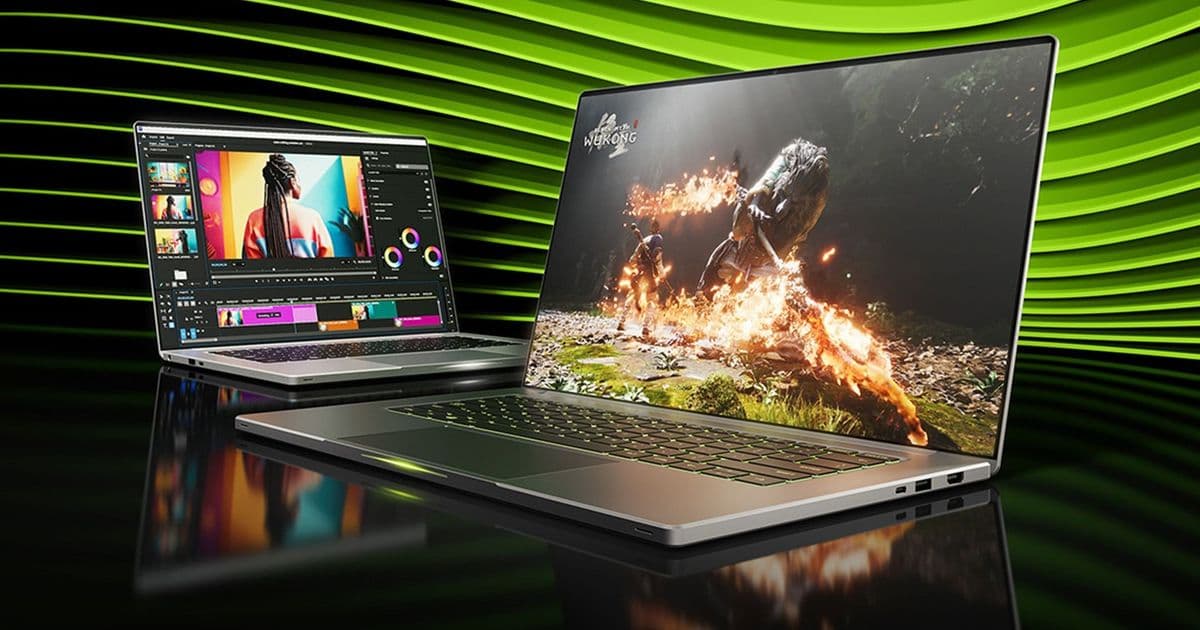
Nvidia quietly launches a higher-capacity 12GB variant of the RTX 5070 mobile GPU, offering 50% more VRAM than the existing 8GB model while maintaining identical core specifications. This strategic move comes amid unprecedented memory shortages affecting the semiconductor industry.
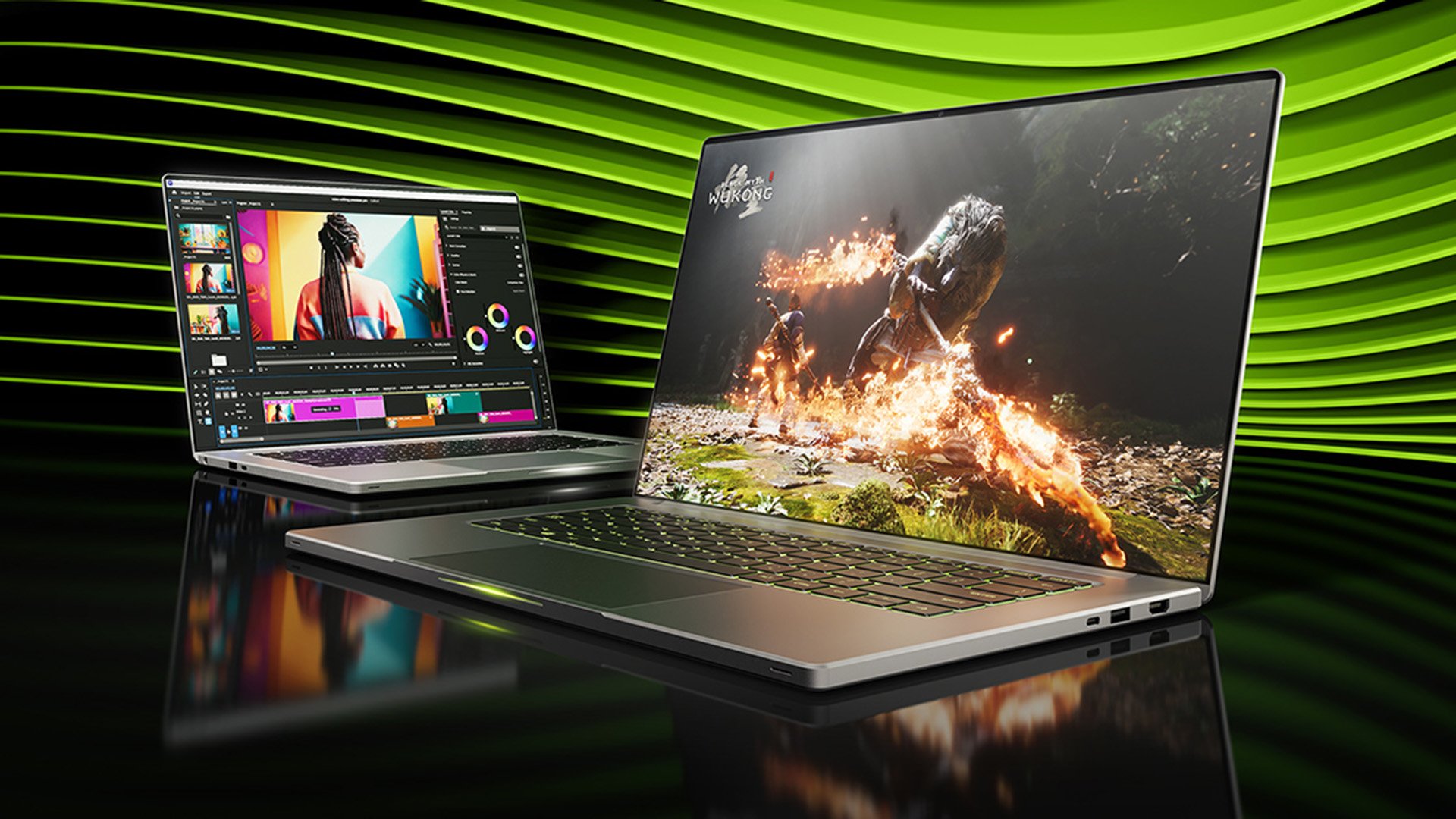
Nvidia has expanded its mobile GPU lineup with the introduction of a 12GB variant of the RTX 5070 laptop graphics card, a move that bucks the industry trend of reducing memory capacity during component shortages. The new configuration, highlighted in Nvidia's latest 596.36 GeForce graphics driver, offers consumers significantly more VRAM while maintaining the same core specifications as its 8GB counterpart.
Technical Specifications and Architecture
The RTX 5070 12GB laptop GPU maintains identical core specifications to the 8GB version, featuring 4,608 CUDA cores, a base clock of 907MHz, and a boost clock of 1,425MHz. The key differentiator lies in the memory configuration, which has been increased from 8GB to 12GB through the use of four 24Gb (3GB) GDDR7 memory modules.
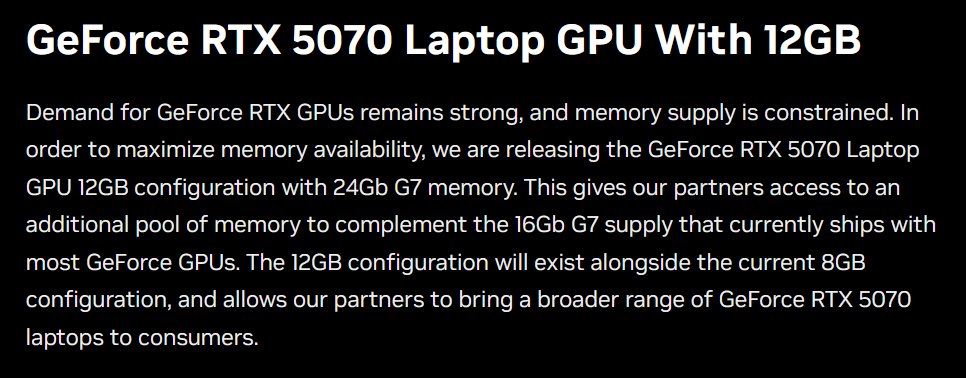
Notably, Nvidia has maintained the same 128-bit memory interface width as the 8GB model, which means the memory bandwidth remains unchanged at approximately 384 GB/s. This configuration suggests that the 24Gb GDDR7 modules operate at the same frequency as the 16Gb modules used in the 8GB version, with no official bandwidth improvements announced.
The RTX 5070 12GB slots between the existing RTX 5070 8GB and the higher-end RTX 5070 Ti 12GB in Nvidia's mobile lineup. The Ti variant offers superior performance with 5,888 CUDA cores and a 192-bit memory interface, providing 672 GB/s of bandwidth. The standard RTX 5070 12GB thus represents a middle ground, offering the same core count as the 8GB version but with 50% more memory capacity.
Manufacturing and Supply Chain Context
This introduction occurs during what industry analysts are calling the "RAMpocalypse"—a period of unprecedented memory shortages driven primarily by AI and data center demand. Memory manufacturers have prioritized higher-margin enterprise and AI applications, leaving consumer GPU manufacturers with limited options.
The use of 24Gb GDDR7 modules represents a strategic allocation of relatively scarce components. These modules have been rumored for potential use in an RTX 50-series Super refresh that has not materialized, suggesting Nvidia is selectively deploying higher-capacity memory where it provides the most value.
Mobile GPUs typically command higher profit margins than desktop add-in boards, which may explain why Nvidia is reserving these premium memory components for select strategic opportunities rather than implementing a broad refresh across the entire product stack.
Market Implications and Performance Impact
For consumers, the 12GB configuration addresses a critical bottleneck in modern gaming. Many AAA titles now recommend or require 12GB of VRAM for optimal settings at 1440p and 4K resolutions. The additional memory capacity will allow the RTX 5070 to maintain higher texture quality, resolution scaling, and ray tracing settings without encountering memory limitations that force downscaling or quality compromises.
The timing of this release is particularly significant as it contrasts with the industry's typical response to component shortages, which has been reducing memory capacity rather than increasing it. This suggests either improved supply conditions for 24Gb GDDR7 modules or a strategic decision by Nvidia to prioritize performance differentiation in the mobile market.
Competitive Positioning
In the mobile GPU market, the RTX 5070 12GB now offers a compelling option for gamers who prioritize memory capacity over raw compute power. It provides a clear advantage over AMD's competing offerings, which currently top out at 12GB GDDR6 in the Radeon RX 780M series, with lower bandwidth (432 GB/s) compared to Nvidia's GDDR7 implementation.
The configuration also positions Nvidia favorably against Intel's Arc A-series mobile GPUs, which have faced criticism for memory capacity limitations in their consumer offerings.
As the gaming industry continues to push higher resolutions, ray tracing, and AI-enhanced features, memory capacity has become increasingly critical. Nvidia's decision to offer a 12GB option in the mid-range RTX 5070 suggests the company recognizes this trend and is responding to market demand for more capable mobile gaming hardware.
Industry analysts will be watching closely to see whether this 12GB configuration represents a one-time offering or the beginning of a broader trend toward higher memory capacities across Nvidia's mobile lineup, particularly as memory supply conditions evolve throughout 2024.
Comments
Please log in or register to join the discussion