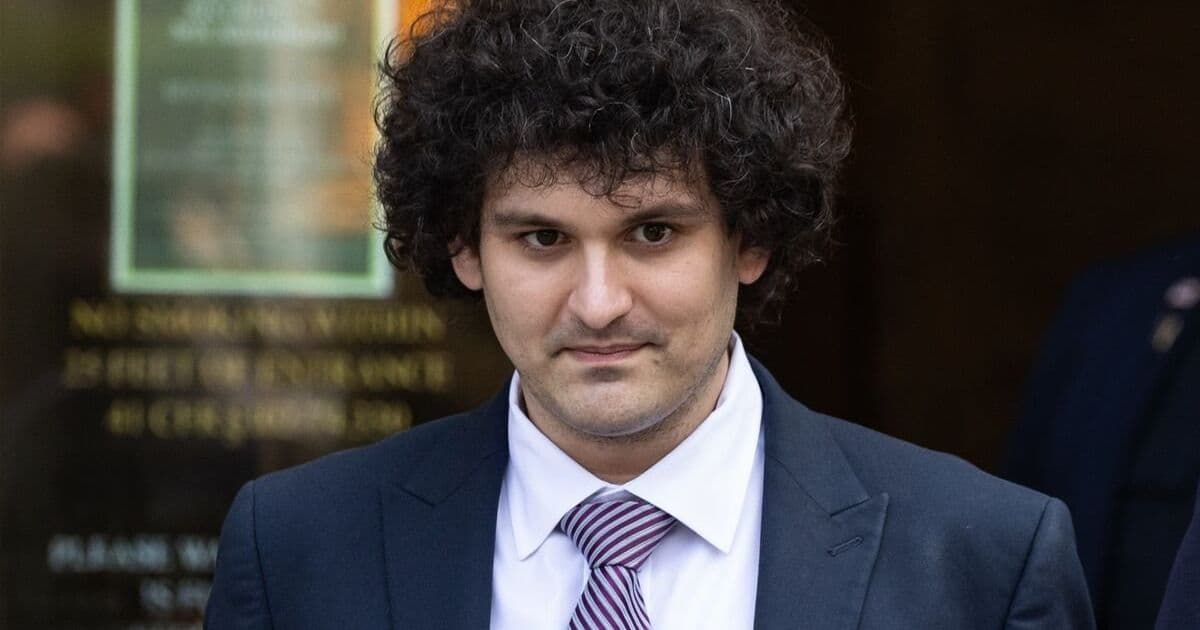
A federal judge has rejected Sam Bankman-Fried's motion for a new trial based on evidence he claimed would exonerate him, with the judge refusing to allow SBF to withdraw the request after it was denied.
A federal judge has rejected Sam Bankman-Fried's request for a new trial, despite the former FTX CEO claiming to possess new evidence that he believed would overturn his fraud conviction. The judge's decision came after SBF attempted to withdraw his request following its denial, a move the judge refused to accept.
Background on the Case
Sam Bankman-Fried, once celebrated as a wunderkind of the cryptocurrency industry, was convicted in November 2023 on seven counts of fraud and conspiracy related to the collapse of FTX, which he founded. The prosecution successfully argued that SBF had orchestrated a scheme to mislead investors and steal billions of dollars from customers of the cryptocurrency exchange.
The 32-year-old former CEO faces a potential sentence of up to 110 years in prison, though federal sentencing guidelines typically result in significantly shorter terms. His conviction represented one of the most significant legal defeats for a major figure in the cryptocurrency space, sending shockwaves through an industry already grappling with regulatory scrutiny.
The 'New Evidence' Claim
In his motion for a new trial, Bankman-Fried claimed to have discovered evidence that he believed would demonstrate his innocence. While the specific nature of this evidence wasn't detailed in the judge's ruling, motions for new trials typically center on newly discovered evidence, legal errors during the trial, or insufficient evidence to support the verdict.
The defense team had argued that this evidence was material to the case and could not have been discovered earlier through due diligence. In federal court, the standard for granting a new trial based on newly discovered evidence is exceptionally high—requiring proof that the evidence is both material and that the defendant exercised due diligence in discovering it.
Judge's Reasoning
The judge's denial of the motion indicates that the evidence either failed to meet the legal standard for a new trial or was insufficient to overturn the conviction. In denying the motion, the judge likely determined that the evidence was either not material to the case, not truly newly discovered, or not likely to result in a different verdict if a new trial were held.
The court's decision suggests that the evidence, whatever its nature, did not meet the "reasonable probability" standard required to overturn a conviction—that is, it would not have likely changed the outcome of the trial.
Withdrawal Attempt and Refusal
Following the denial of his motion, Bankman-Fried attempted to withdraw his request for a new trial. The judge refused this withdrawal, indicating that once a motion is made and denied, the defendant cannot simply retract it.
This legal maneuver is unusual but not unprecedented. Judges generally require defendants to stand by their legal arguments once made, as allowing withdrawals after denial could create opportunities for strategic legal maneuvering that undermines the judicial process. The judge's refusal to accept the withdrawal maintains the integrity of the legal proceedings and prevents the appearance that SBF was attempting to avoid having his motion formally denied on the record.
Potential Next Steps
With his motion for a new trial denied, Bankman-Fried's next options appear limited. He could potentially appeal the judge's decision to the U.S. Court of Appeals, though the high standard for granting new trials makes such appeals challenging.
His legal team may also focus on preparing for sentencing, which is scheduled for a later date. Given the severity of the charges and the high-profile nature of the case, sentencing is likely to receive significant attention.
Broader Implications
The denial of a new trial reinforces the strength of the prosecution's case against Bankman-Fried and sends a message about the legal consequences for misconduct in the cryptocurrency industry. The case has become a touchstone for discussions about regulation, oversight, and accountability in the rapidly evolving digital asset space.
For the cryptocurrency industry as a whole, the outcome of this case may influence how regulators approach similar situations in the future and could shape the legal landscape for digital asset companies seeking to operate in compliance with securities and financial regulations.
The case continues to be closely watched by legal experts, cryptocurrency industry participants, and investors alike, as it represents one of the most significant legal battles involving a cryptocurrency company to date.
For more information on this case, you can refer to the original reporting from Bloomberg.
Comments
Please log in or register to join the discussion