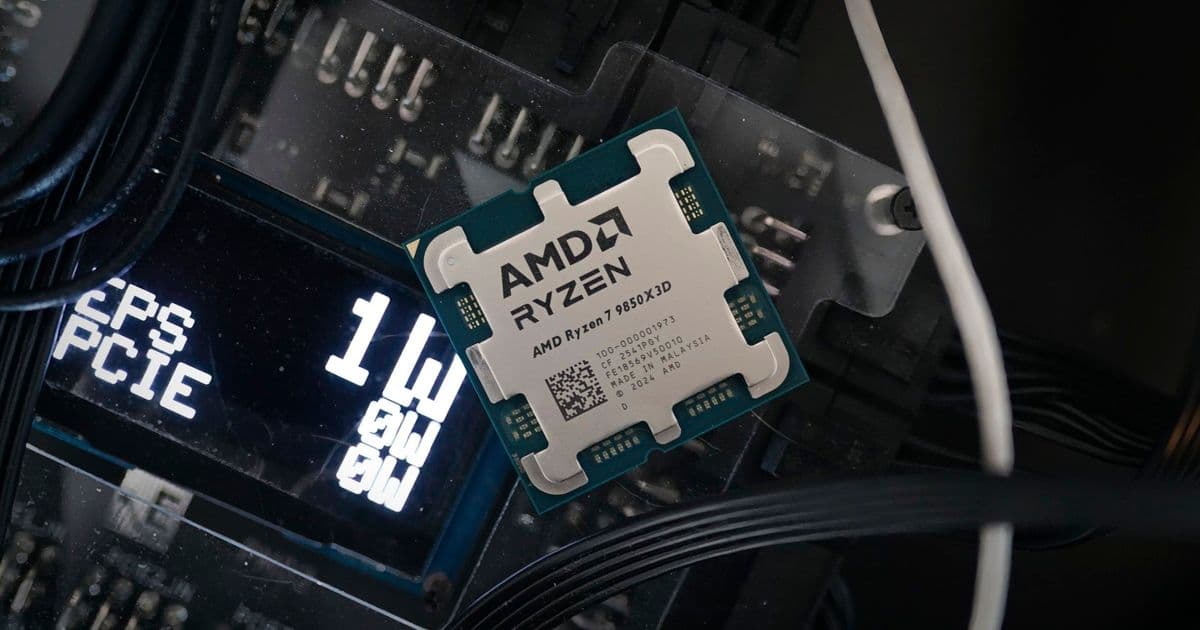
PC manufacturers face unprecedented CPU supply constraints as AI demand drives Intel and AMD shortages, with lead times jumping from two weeks to six months and prices rising 10-15%.
PC manufacturers are grappling with severe CPU supply shortages that have pushed lead times from a typical two weeks to as long as six months, according to industry sources speaking to Nikkei Asia. The shortage affects both Intel and AMD processors, compounding existing memory and storage chip constraints that have plagued the industry since late 2025.
HP and Dell are among the major manufacturers reporting that delivered processor volumes no longer match their requirements. Industry executives describe the situation as deteriorating, with one server manufacturer noting that average lead times have ballooned from one to two weeks to eight to twelve weeks, while others report delays extending up to six months.
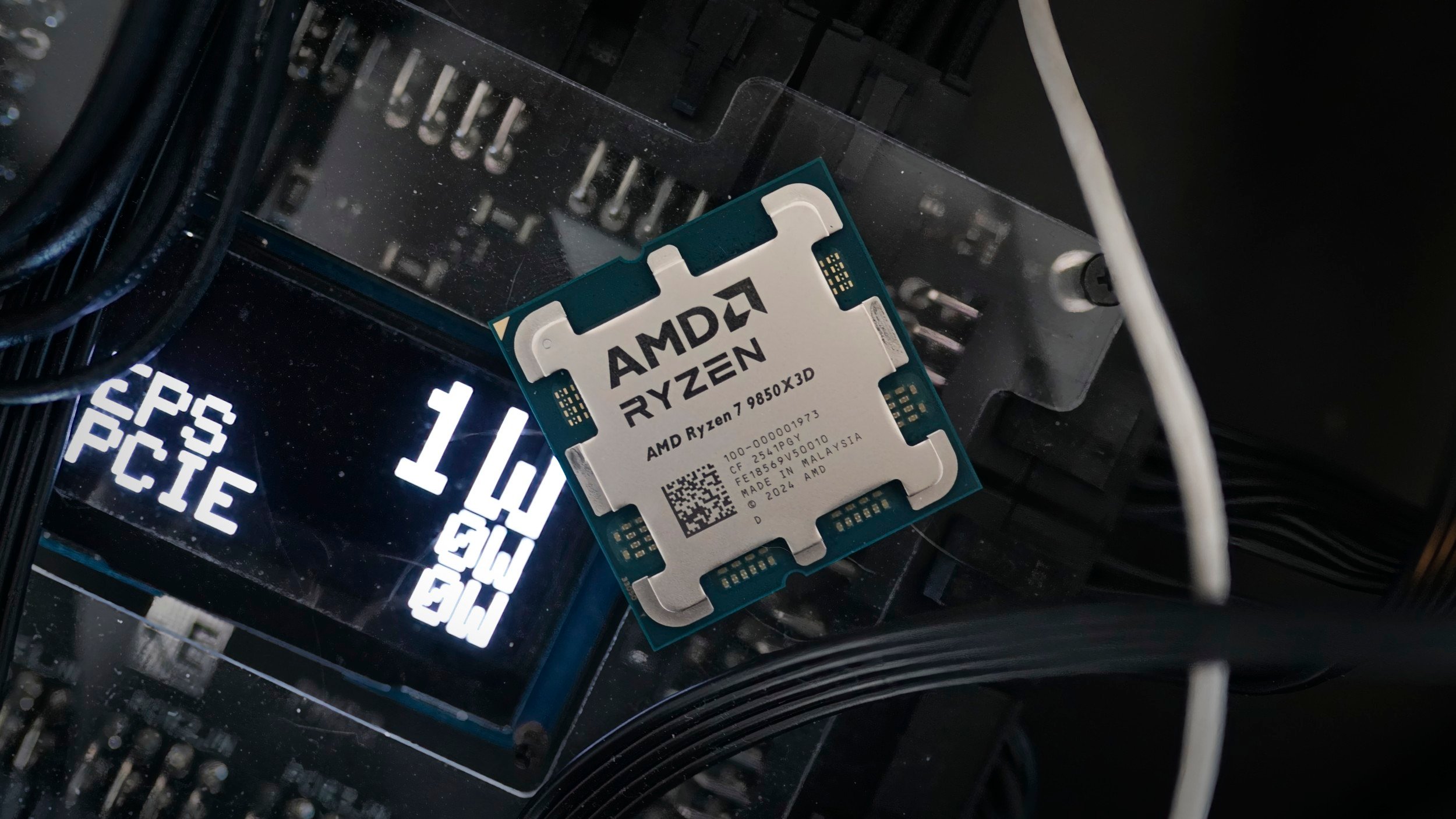
The supply constraints are driving price increases of 10% to 15% on average, with some sources indicating costs could rise even higher. Unlike previous component shortages where increased spending could alleviate constraints, manufacturers report that simply paying more does not guarantee additional supply. "If money can solve the problem, that would be great," an executive for a gaming PC brand told Nikkei Asia. "What we worry about is that even if we pay more, we still cannot get more."
Both Intel and AMD confirmed CPU demand spikes during their recent quarterly financial results. AMD CEO Dr. Lisa Su stated that business exceeded expectations, while Intel CFO David Zinsner noted that "the CPU has become cool again this year." The surge in demand stems primarily from AI hyperscalers who are rapidly expanding their infrastructure capabilities.
This CPU shortage follows a familiar pattern established during the AI boom. When ChatGPT popularized large language models, tech companies bought up available GPUs, creating shortages between 2023 and mid-2025. As graphics card supplies normalized, the industry shifted to memory and storage chip shortages beginning in late 2025. Manufacturers prioritized production for AI and enterprise customers willing to pay premium prices, leaving consumer markets struggling for supply.
The situation has become so severe that Micron, maker of Crucial SSDs and RAM, has exited the consumer market entirely to focus on AI and enterprise customers. Now, with CPU shortages emerging before memory and storage supplies have recovered, the entire PC supply chain faces unprecedented pressure.
The demand dynamics reveal why CPUs are now constrained. While AI training relies heavily on GPUs, complete server systems require CPUs for various functions. Additionally, as smaller AI models and agentic AI applications gain popularity, demand for server processors continues to increase. One server manufacturer employee told Nikkei Asia that demand for general-purpose server CPUs could rise by nearly 15% in 2026, while Intel's output capacity is only increasing by single-digit percentages.
AMD faces particular challenges due to its fabless model. Without its own manufacturing facilities, AMD must compete with companies like Nvidia and Google for capacity at foundries such as TSMC and Samsung. This competition for limited foundry resources exacerbates supply constraints for x86 processors.
The shortage creates both challenges and opportunities for the PC market. While gamers and professionals requiring specialized applications will likely continue preferring x86 processors, Arm-based chips have an opening to capture additional market share, particularly in mainstream laptops. Microsoft's push with Snapdragon-powered Copilot+ PCs in 2024 established a foundation for Windows on Arm devices, and Qualcomm is actively improving gaming performance on these platforms.
Nvidia's rumored N1X processor, potentially arriving on laptops this year, could further accelerate Arm's market penetration. This represents a significant threat to the x86 ecosystem, prompting Intel and AMD to collaborate on initiatives to maintain the architecture's popularity. However, if supply constraints persist, buyers may have no choice but to explore alternative CPU architectures.
The timing is particularly problematic as the PC industry was beginning to recover from previous component shortages. With lead times extending up to six months and no immediate relief in sight, manufacturers are warning that the situation could worsen in the second quarter of 2026. Industry sources expect the CPU shortage to become much more severe, potentially reshaping competitive dynamics in the processor market as companies and consumers adapt to supply constraints that show no signs of abating.
Comments
Please log in or register to join the discussion