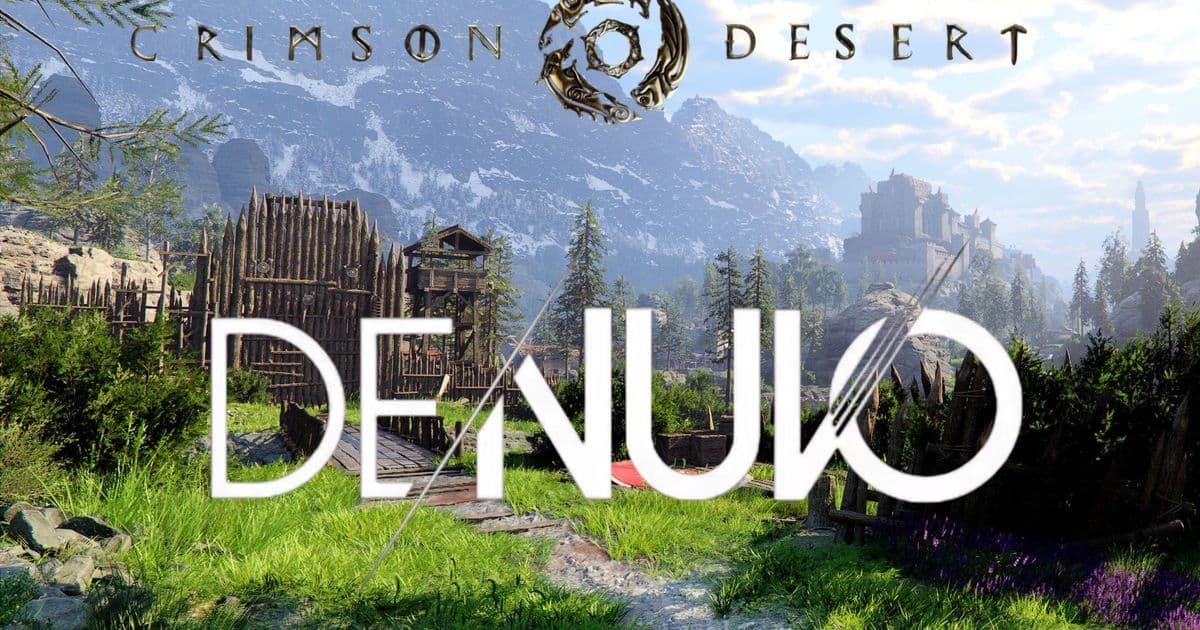
Pearl Abyss' Crimson Desert adds Denuvo DRM just days before launch, sparking backlash from Steam users who feel misled about anti-piracy measures.
Pearl Abyss' upcoming open-world action RPG Crimson Desert has sparked controversy after Valve confirmed the inclusion of Denuvo anti-piracy DRM just one week before its March 19th release date. The last-minute addition has triggered a wave of pre-order cancellations and angry reactions from Steam users who feel misled about the game's anti-tamper protection.
The backlash began when Steam users discovered Denuvo had been quietly added to the game's listing, contradicting earlier statements from Pearl Abyss developers who had suggested anti-piracy measures were still under consideration. Many players had specifically checked for Denuvo before purchasing, and the late addition has left them feeling deceived.
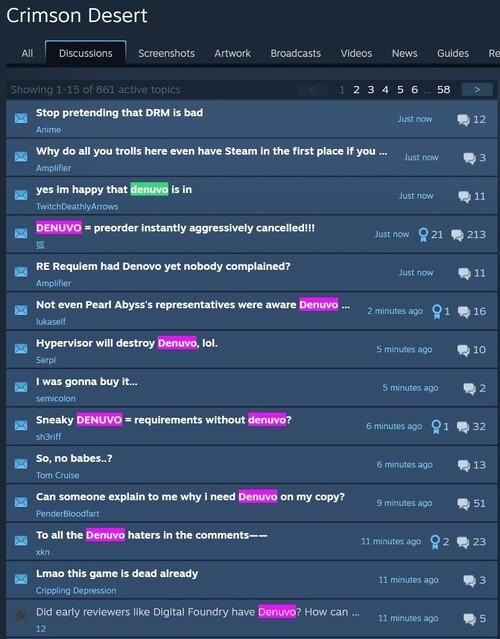
Steam community erupts in protest
Within hours of the Denuvo confirmation, Crimson Desert's Steam forum became dominated by complaints from players threatening to cancel their pre-orders. The timing is particularly frustrating for many users, as Valve allows pre-order cancellations before a game's official launch. Several players cited the last-minute DRM addition as the reason for their decision to seek refunds.
The controversy stems partly from a misinterpretation of earlier developer comments. In an interview, Pearl Abyss had stated that a decision on anti-piracy measures was still pending, but many fans took this to mean Denuvo wouldn't be included. The studio's silence on the matter until the final week has left many feeling intentionally misled.
Performance concerns and industry context
Beyond the principle of the matter, many players worry about Denuvo's potential impact on game performance. The DRM works by encrypting a game's executable and continuously monitoring for altered code, which can tax CPU resources and cause stuttering in some titles. Resident Evil Village serves as a notable example, where Denuvo implementation led to frame rate issues that prompted Capcom to release a performance patch.
However, the impact varies significantly between games. Some titles show no measurable performance degradation from Denuvo, while others experience noticeable issues. For Crimson Desert, which features a massive open world that already demands significant PC resources, players are particularly concerned about potential performance hits.
Sales impact remains uncertain
The question of whether Denuvo actually affects sales is complex and lacks clear consensus. While some vocal community members threaten boycotts, the anti-piracy software hasn't prevented other titles from achieving commercial success. Resident Evil Requiem, for instance, set new benchmarks for Steam player counts despite including Denuvo.
Publishers typically prioritize anti-piracy measures during a game's launch window, when the majority of sales occur. It's common practice to remove Denuvo several months after release, once the initial sales surge has passed and piracy becomes less of a financial concern.
What this means for Crimson Desert
Despite the controversy, a leaked review suggests Crimson Desert will satisfy players seeking a substantial open-world adventure. However, initial Steam evaluations are likely to focus heavily on the DRM implementation, potentially overshadowing other aspects of the game.
The timing of this revelation is particularly unfortunate, as it comes during the final week when potential buyers are making their purchasing decisions. Whether this controversy will significantly impact Crimson Desert's launch remains to be seen, but it has certainly created a challenging launch environment for Pearl Abyss.
For players on the fence, the situation highlights the importance of checking Steam listings thoroughly before purchasing, as DRM implementations can change even late in development. The controversy also underscores the ongoing tension between developers' desire to protect their work and players' preferences for unencumbered gaming experiences.
Comments
Please log in or register to join the discussion