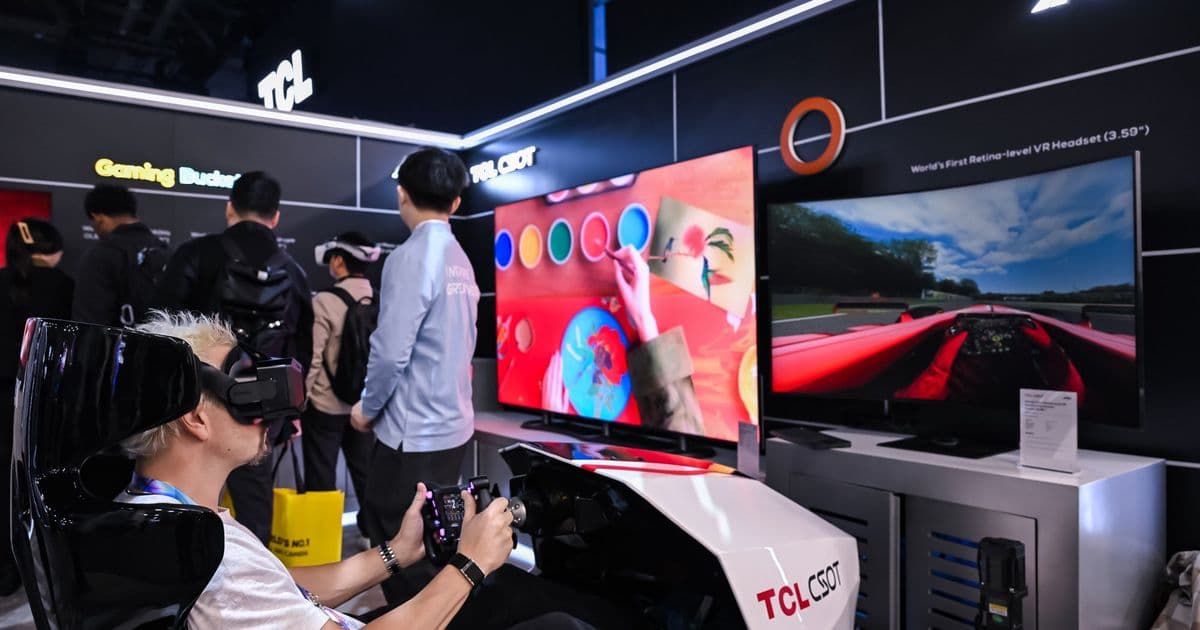
TCL's display arm CSOT advances LCD, OLED, and next-gen technologies through a closed-loop R&D approach that accelerates commercialization of quantum-dot, flexible, and micro-LED displays.
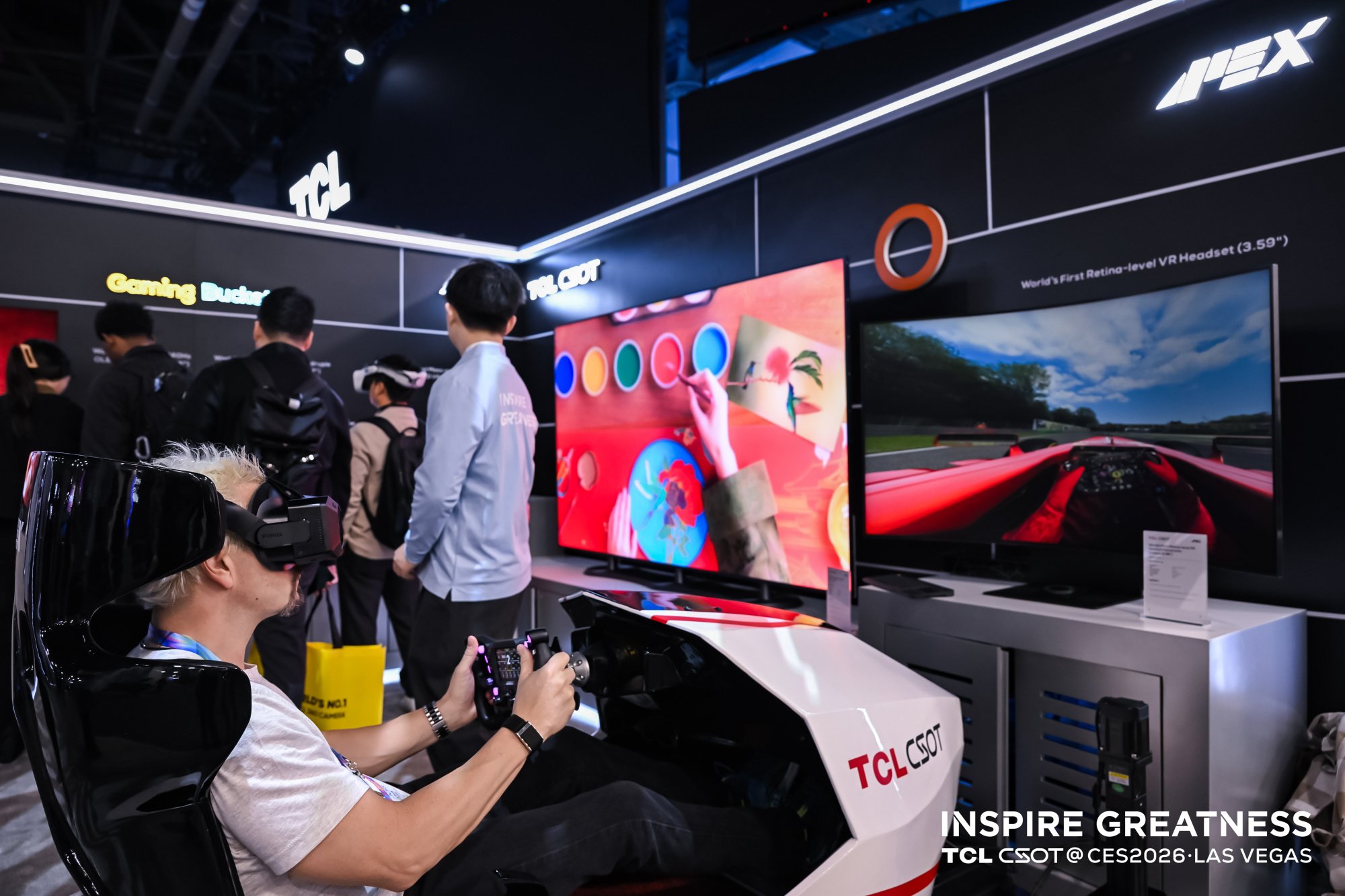
As displays transition from functional components to experiential interfaces, manufacturers face mounting pressure to deliver higher resolutions, energy efficiency, and novel form factors. TCL China Star Optoelectronics Technology (CSOT) addresses this through systematic research across multiple display technologies, accelerating lab innovations toward mass production.
Reinventing Established Technologies
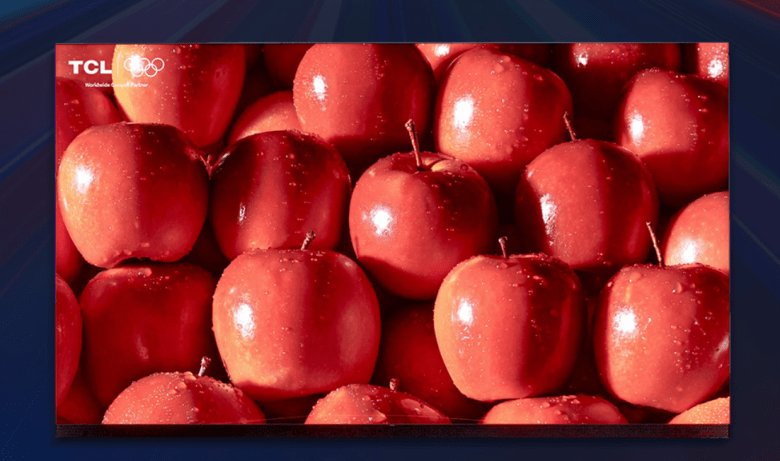 CSOT enhances traditional LCD performance through quantum dot backlight systems that expand color gamut by up to 30% compared to standard panels. By engineering phosphor materials and optical structures, they achieve 95% DCI-P3 coverage with improved brightness uniformity. This extends LCD viability in cost-sensitive large-screen applications like televisions.
In flexible OLEDs, CSOT developed thin-film encapsulation techniques allowing bend radii under 3mm. Their foldable panels maintain 1,000 nits peak brightness at just 1.1mm thickness while reducing power consumption by 15% through optimized pixel driving algorithms. These advancements enable smartphone manufacturers to implement durable folding mechanisms without compromising display quality.
Next-Generation Display Frontiers
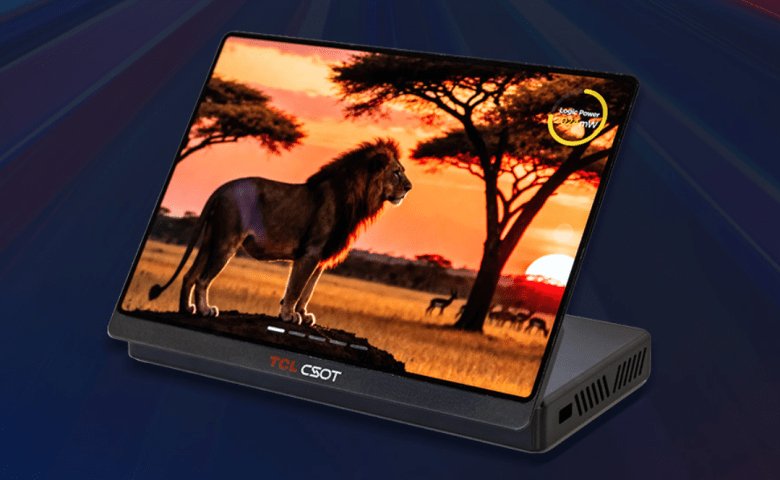 For high-end applications, CSOT's Mini LED technology employs local dimming zones measuring below 200 microns. This precision enables dynamic contrast ratios exceeding 1,000,000:1 while eliminating blooming artifacts common in edge-lit displays. Production yields now exceed 92% through proprietary defect detection systems during backlight assembly.
Micro LED research focuses on overcoming mass transfer challenges. CSOT's prototype 4K displays use 10-micron LEDs transferred via electrostatic assembly, achieving 99.999% placement accuracy. Their material research portal details breakthroughs in red quantum dot color converters that enhance color purity while extending operational lifespan beyond 100,000 hours.
The Lab-to-Production Pipeline
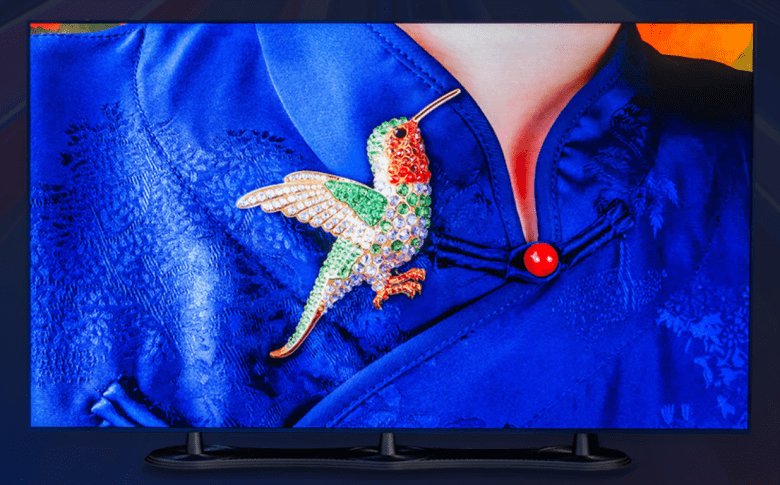 CSOT operates a vertically integrated development model connecting fundamental research with pilot production lines. Material scientists collaborate directly with manufacturing teams to test substrate handling, thin-film deposition, and encapsulation processes. This closed-loop system reduced QD-OLED development time by 40% compared to industry averages.
The company's Shenzhen pilot facility runs 24/7 stress testing on display samples, collecting performance data that feeds back into R&D. This empirical approach helped identify optimal curing parameters for printed quantum dot layers, accelerating QD-EL technology development.
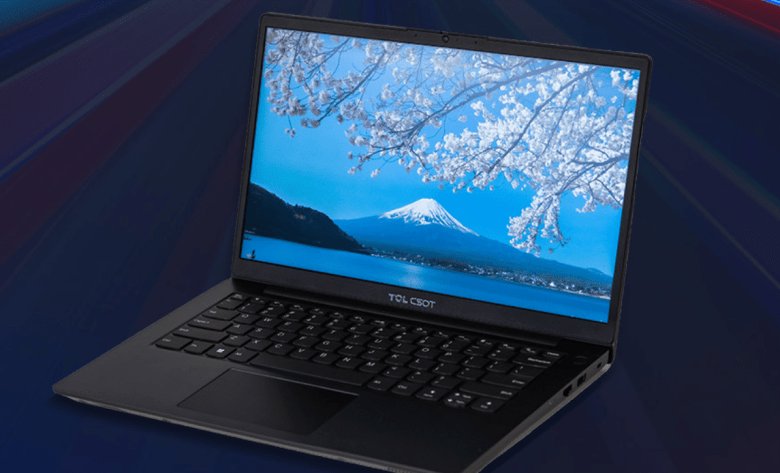
Emerging Quantum Dot Breakthroughs
CSOT's quantum dot electroluminescent (QD-EL) prototypes demonstrate 30% higher external quantum efficiency than standard OLEDs. By using solution-processed quantum dots as self-emissive pixels, they eliminate color filters and backlights while maintaining NTSC 110% color volume. Their recent whitepaper details inkjet printing techniques achieving sub-pixel accuracy at 300ppi resolution.
While commercial QD-EL production remains 2-3 years away, CSOT's 12.7-inch prototype confirms viability for future foldable tablets and automotive displays. The technology combines OLED's flexibility with quantum dot's color stability, addressing burn-in concerns that plague current OLED implementations.
Market Implications
CSOT's multi-technology portfolio positions them uniquely across display segments. Their LCD enhancements maintain competitiveness in high-volume markets, while Mini LED captures premium TV segments. Concurrently, micro LED and QD-EL research builds IP moats for future display generations.
This stratified approach demonstrates how display innovators must simultaneously optimize existing technologies while pioneering next-generation solutions. As CSOT's research transitions from academic papers to factory workflows, they exemplify how systematic commercialization bridges the gap between laboratory potential and consumer-ready products.
Comments
Please log in or register to join the discussion