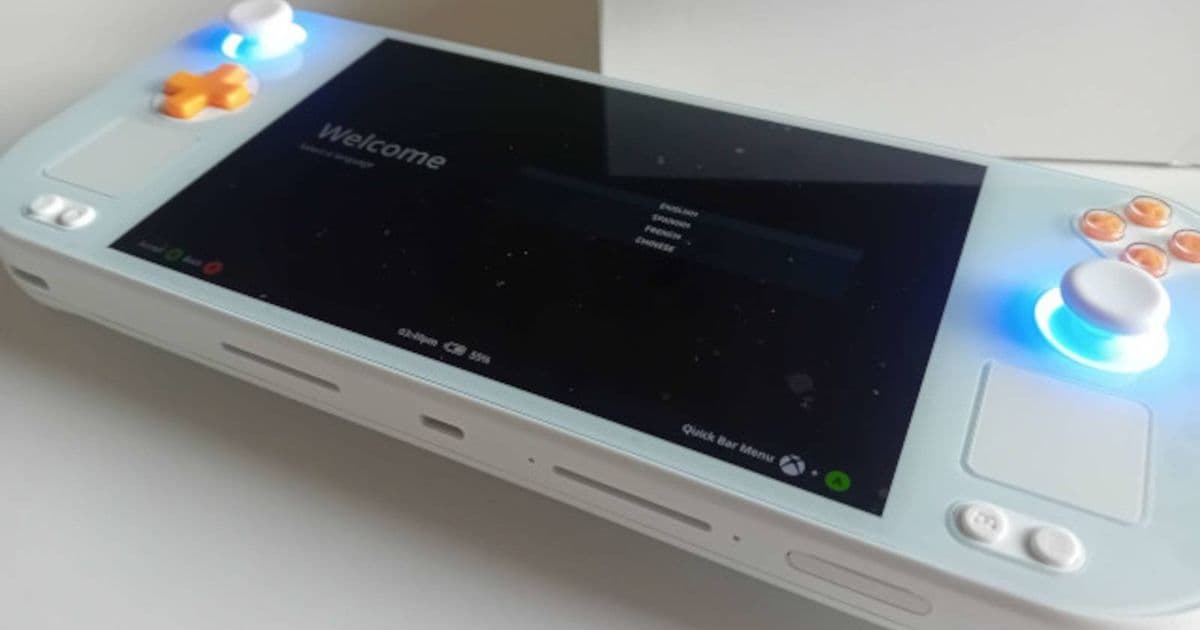
The OrangePi Neo, a promising Linux gaming handheld, has been indefinitely postponed due to skyrocketing RAM and SSD prices, joining other devices affected by the unstable hardware market.
The dream of affordable Linux gaming on the go has hit a major roadblock. The OrangePi Neo, an ambitious handheld gaming device running Manjaro KDE Plasma 6 with flatpak support, has been put "on ice" indefinitely as developers grapple with unprecedented hardware price increases.
The Hardware Market Crisis That's Killing Innovation
The OrangePi Neo was announced in 2024 as a compelling alternative to mainstream gaming handhelds, promising Linux enthusiasts a portable gaming experience without the premium price tag. However, the project's developers have revealed that DDR5 RAM prices have quadrupled since initial planning, with SSD costs following a similar upward trajectory.
This isn't just an OrangePi problem. The entire handheld gaming market is feeling the squeeze. The Steam Deck, one of the most successful Linux gaming handhelds to date, has also been affected by these market fluctuations. When even established players like Valve struggle with component costs, smaller projects face existential threats.
What Made the OrangePi Neo Special
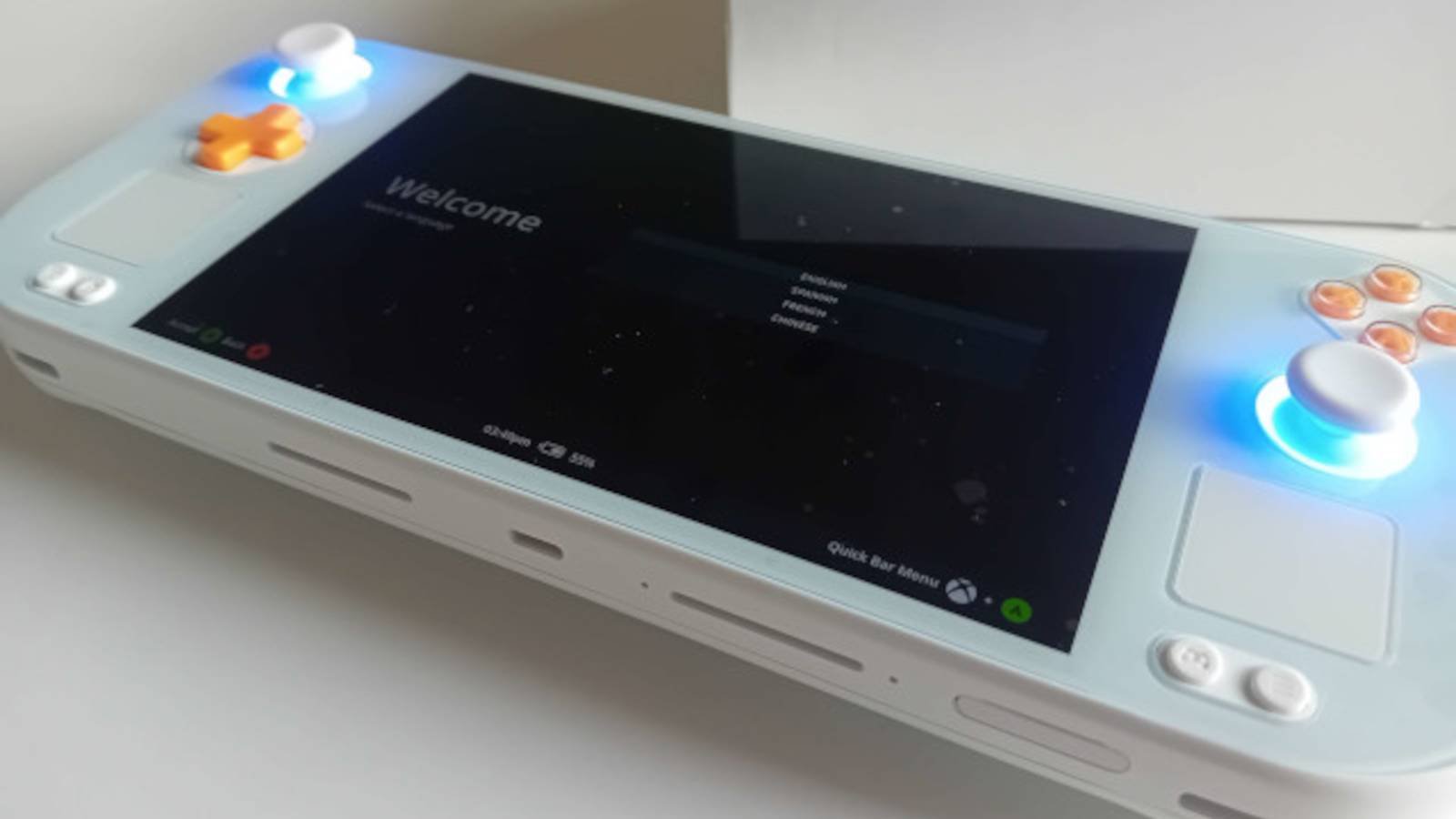
The device was positioned as more than just another gaming handheld. Running Manjaro Gaming Edition with KDE Plasma 6, it promised a full Linux desktop experience in a portable form factor. The flatpak integration meant users would have access to a wide range of applications beyond just games, making it a versatile mobile computing device.
Developers had been sharing regular progress updates on the Manjaro Forum, keeping the community informed about development milestones. They had even completed CE and FCC certifications, suggesting the project was well into its final stages before the hardware crisis hit.
The Ripple Effect on Linux Gaming
This delay represents more than just a setback for one product. It highlights the vulnerability of Linux gaming hardware to market forces that have traditionally favored Windows-based systems. The higher component costs disproportionately affect smaller projects that can't leverage bulk purchasing power or absorb price increases as easily as larger companies.
The timing is particularly unfortunate given the growing interest in Linux gaming. With more developers supporting Linux platforms and tools like Proton making Windows games accessible on Linux, the demand for dedicated Linux gaming hardware has never been higher.
What's Next for the Project
For now, the OrangePi Neo team is in a holding pattern. They've completed the necessary certifications and made significant improvements to the Manjaro Gaming Edition software, but without clarity on when component prices might stabilize, they can't commit to a launch timeline.
The situation raises questions about the sustainability of niche hardware projects in an increasingly volatile market. While software can often adapt to changing conditions, hardware development requires significant upfront investment and long-term planning that becomes nearly impossible when component prices fluctuate wildly.
The Broader Context
This delay is part of a larger pattern affecting the tech industry. Global supply chain issues, increased demand for components, and geopolitical factors have created a perfect storm that's driving up prices across the board. For specialized devices like the OrangePi Neo, which likely operate on thin margins to remain competitive, these price increases can be fatal.
The irony is that demand for Linux gaming hardware is growing precisely when supply chain issues are making it harder to produce. This creates a frustrating situation where interested consumers are ready to buy, but economic realities prevent products from reaching the market.
Looking Ahead
While the OrangePi Neo's indefinite postponement is disappointing, it's not necessarily the end of the road. The developers have shown commitment to the project by completing certifications and continuing software development. When component prices eventually stabilize, they may be able to revive the project.
In the meantime, the Linux gaming community will need to rely on existing options like the Steam Deck and various Android-based handhelds. The delay of the OrangePi Neo serves as a reminder of the challenges facing open-source hardware initiatives and the importance of sustainable supply chains for technological innovation.
The situation also underscores the need for more resilient hardware development models that can weather market volatility. Whether through modular designs, alternative component sourcing, or new manufacturing approaches, the Linux gaming community may need to innovate not just in software, but in how hardware gets built and distributed.
Comments
Please log in or register to join the discussion