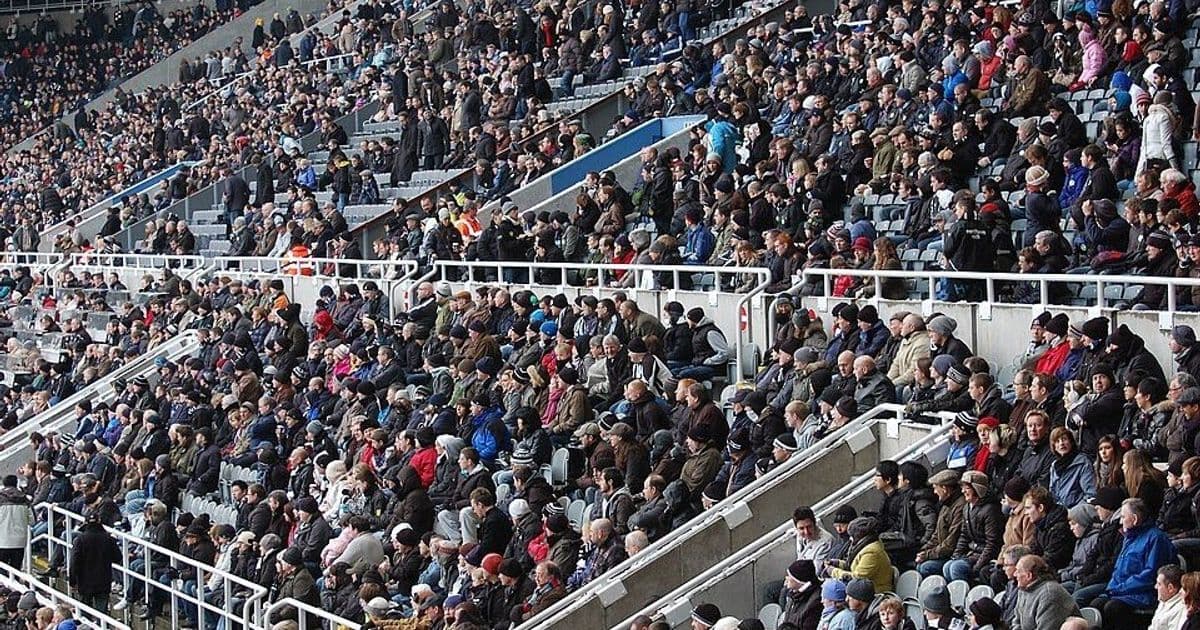
A deep dive into English football attendance data reveals how hooliganism and racism drove crowds away in the 1980s, with interactive visualizations showing the sport's uneven recovery. The analysis uncovers a stark bimodal distribution in Premier League attendance driven by stadium economics, while lower leagues struggle with underfilled venues. This data-driven story highlights the financial and social forces reshaping the beautiful game.
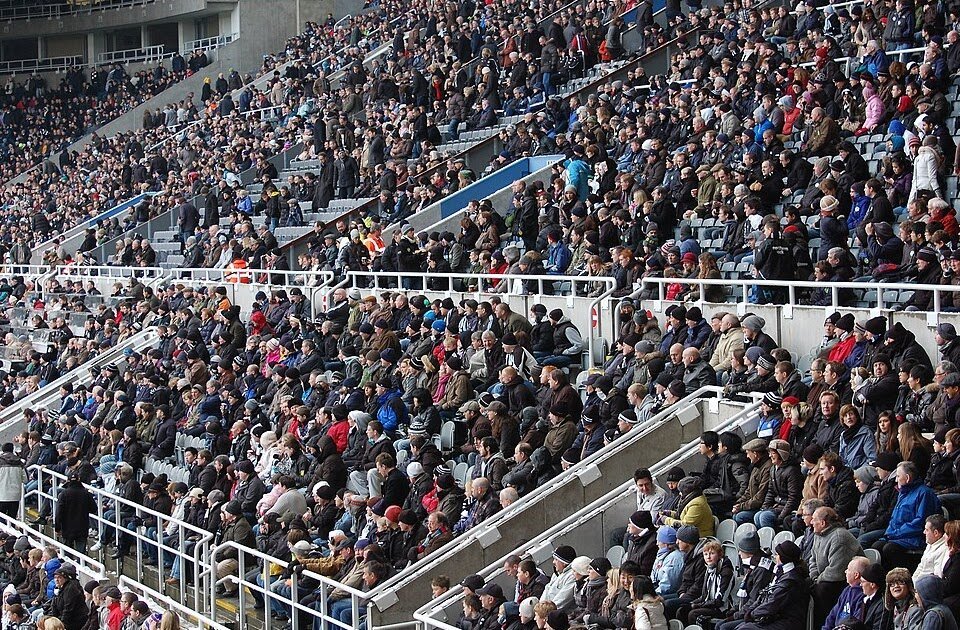
Analyzing sports data often feels like a sterile exercise—until it forces you to confront uncomfortable truths. A recent examination of English football attendance trends since 1888, using interactive visualizations and violin plots, exposes how decades of hooliganism, racism, and antisemitism decimated stadium crowds, with 1989 marking the nadir. But beyond this dark history, the data reveals a complex, uneven recovery and a Premier League increasingly divided by stadium economics.
From Hooliganism to Hard Data
English football's reputation was shattered by persistent violence, from post-WWII terrace battles to racist abuse targeting Black players and antisemitic chants directed at clubs like Tottenham Hotspur. By the 1980s, these issues made matches feel unsafe for families, cratering attendance. Government crackdowns, stadium modernization after the Hillsborough disaster, and cultural shifts gradually restored confidence. As one analysis notes: "The authorities acted decisively to stamp out hooliganism, racism, and antisemitism... Fan culture changed, with more families attending."
Visualizing the Collapse and Comeback
Interactive charts tracking total attendance across English leagues show a steep post-WWII decline, bottoming out in 1989 before climbing steadily. The COVID-19 pandemic abruptly reversed gains—visible as near-zero attendance in 2020-2021 when matches were played behind closed doors. Yet the rebound post-lockdown underscores football's resilience. More intriguing is a paradox revealed when comparing attendance to home advantage metrics: despite crowds returning, home advantage has steadily eroded since the 1950s, suggesting fan influence is more nuanced than raw numbers imply.
The Stadium Size Divide
Violin plots—which visualize data distributions—paint a stark picture of modern disparities. While lower leagues show unimodal attendance patterns, the Premier League exhibits a pronounced bimodal distribution. This split stems from stadium capacity constraints and "sold-out fractions" (occupancy rates). Premier League venues operate at 98.9% capacity, clustering around 30,000 and 60,000 seats—reflecting a "league within a league" where giants like Manchester United (74,197 seats) dwarf smaller clubs like Bournemouth (11,307). In contrast, League One and League Two stadiums often sit half-empty, creating financial strain. As the data shows: "Stadium size groupings support the idea of a league-within-a-league... Building 60,000+ capacity stadiums is hugely expensive, but if you can fill them, you get more revenue."
A Fragile Future
While initiatives to boost family attendance and inclusivity signal progress, the data warns of persistent challenges. Lower-league clubs face revenue gaps from underutilized stadiums, and sporadic incidents of hate speech linger. Yet investments in infrastructure and safer matchday experiences suggest cautious optimism. The true victory lies not just in rising numbers, but in data exposing where inequality persists—and where the beautiful game must evolve.
Source: Analysis derived from Attendance at English Football: A Tale of Decline and Recovery by Engora Blog, featuring interactive visualizations and violin plots.
Comments
Please log in or register to join the discussion