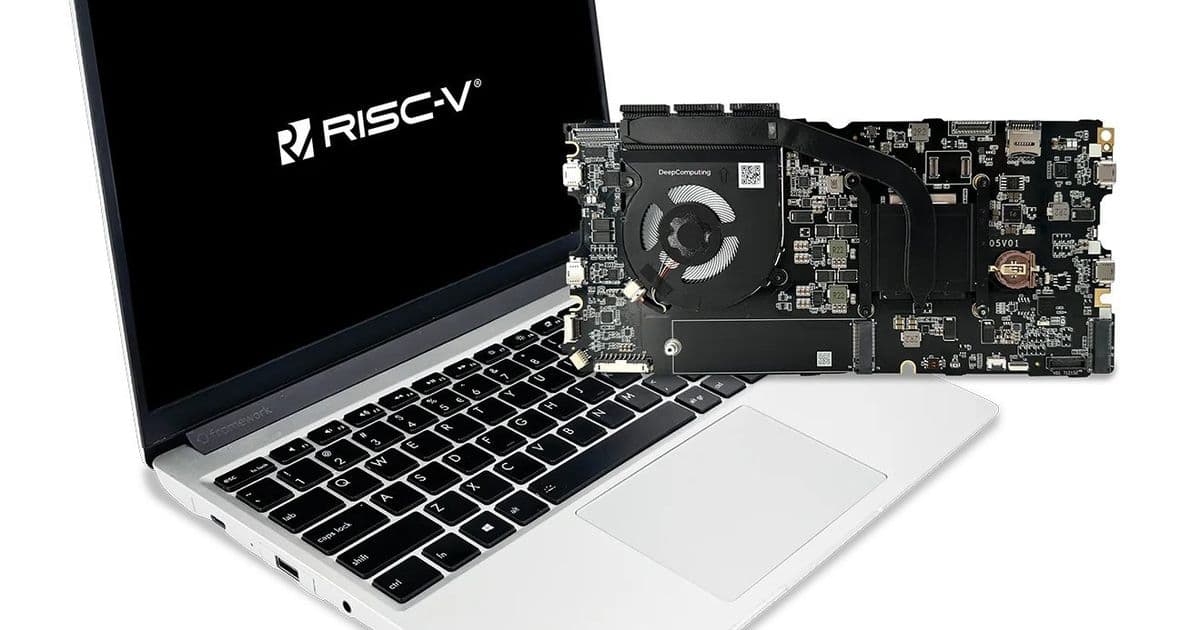
Deep Computing's new mainboard for Framework Laptop 13 features an 8-core SpacemiT K3 RISC-V chip with 60 TOPS AI performance, making it one of the first RVA23-compliant boards supporting Ubuntu 26.04 LTS.
Deep Computing has unveiled its third RISC-V mainboard for the Framework Laptop 13, introducing the DC-ROMA RISC-V Mainboard III with a SpacemiT K3 processor. This new board represents a significant step forward for RISC-V computing in laptops, as it's one of the first to support the RVA23 profile, which enables compatibility with Ubuntu 26.04 LTS.
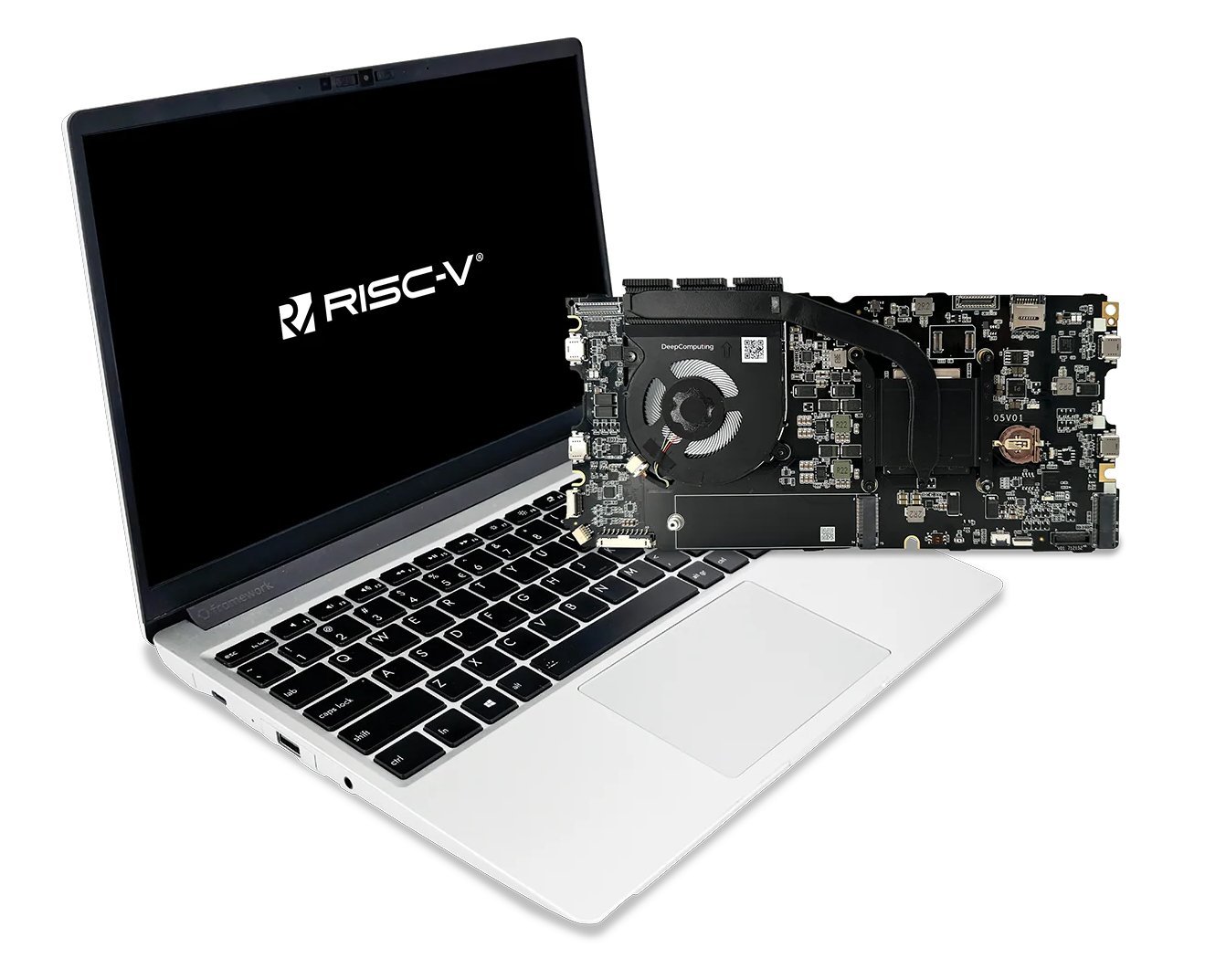
The SpacemiT K3 processor at the heart of this mainboard is an 8-core RISC-V chip capable of reaching frequencies up to 2.5 GHz. What makes this processor particularly noteworthy is its AI capabilities, offering up to 60 TOPS (trillion operations per second) of performance. This positions the DC-ROMA III as not just a general-purpose computing platform but also a capable AI development system.
Framework Laptop Compatibility and Standalone Use
Like all Framework-compatible mainboards, the DC-ROMA III is designed to fit seamlessly into Framework's modular laptop shell. This means it can work with the laptop's existing display, keyboard, battery, and other hardware components. However, the board's versatility extends beyond just laptop use - it can also function as a standalone desktop PC when connected to a power supply, keyboard, mouse, and external display.
Specifications and Features
The mainboard comes with several configuration options and features:
- Memory options: Available with 16GB or 32GB of onboard LPDDR5 memory
- Storage: M.2 2280 slot supporting both PCIe NVMe and SATA SSDs
- Removable storage: Built-in microSD card reader
- Wireless connectivity: M.2 2230 E-Key slot for wireless cards
Port Selection
The DC-ROMA III offers a comprehensive selection of ports, all USB 3.0 Type-C:
- USB 3.0 Type-C (w/DisplayPort 1.4 Alt Mode, 65W USB PD 3.0 charging) - This port supports video output through DisplayPort 1.4 and can handle up to 65W of power delivery for charging
- USB 3.0 Type-C (for data and charging, but no video) - A dedicated port for data transfer and charging without video capabilities
- 2 x USB 3.0 Type-C (data only) - Two additional ports focused solely on data transfer
Market Position and Availability
Deep Computing hasn't announced the final pricing for the DC-ROMA III yet, but interested customers can secure their board by paying a $100 deposit now. When the mainboard is ready to ship, customers will receive an email requesting payment of the remaining balance.
It's important to note that RISC-V architecture, while promising, is still relatively new and not as widely supported as x86_64 or Arm architectures. This means the DC-ROMA III is primarily targeted at developers and early adopters rather than the general consumer market. The board represents an opportunity for those interested in exploring RISC-V development, testing applications on this emerging architecture, or simply being among the first to experience this new computing platform.
The Significance of RVA23 Compliance
The RVA23 compliance of the SpacemiT K3 processor is particularly significant because it enables support for Ubuntu 26.04 LTS. This is a major milestone for RISC-V, as Ubuntu is one of the most popular Linux distributions. Having official LTS support means developers can rely on long-term stability and security updates, making the platform more viable for serious development work.
The introduction of the DC-ROMA RISC-V Mainboard III marks another step in the evolution of RISC-V computing, bringing more powerful hardware and broader software support to the Framework Laptop ecosystem. For developers and enthusiasts looking to work with cutting-edge processor technology, this mainboard offers an intriguing option that combines the flexibility of the Framework platform with the promise of open-source processor architecture.
Comments
Please log in or register to join the discussion