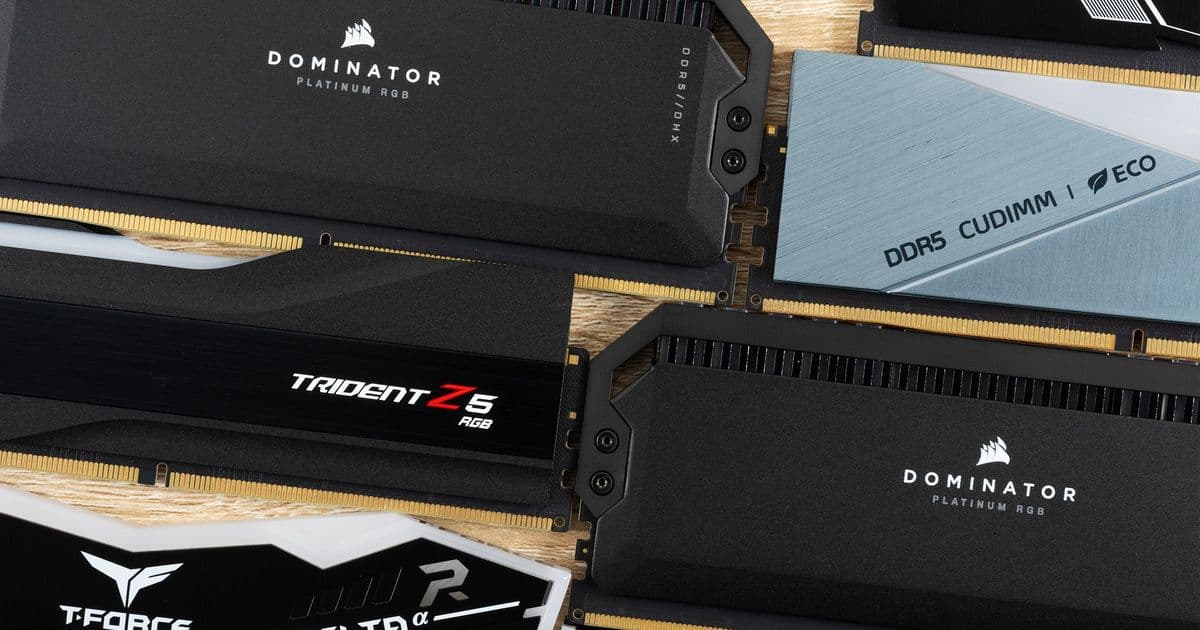
German DDR5 RAM prices have plateaued with only 0.1% increase in January, though prices remain significantly elevated compared to pre-shortage levels
The DRAM market may finally be showing signs of stabilization after months of relentless price increases, with new data from Germany indicating that DDR5 RAM pricing has essentially plateaued. According to analysis from 3DCenter.org, prices for DDR5 memory kits in Germany saw only a 0.1% increase during January, marking a dramatic slowdown from the double-digit percentage increases that have characterized the market since mid-2025.
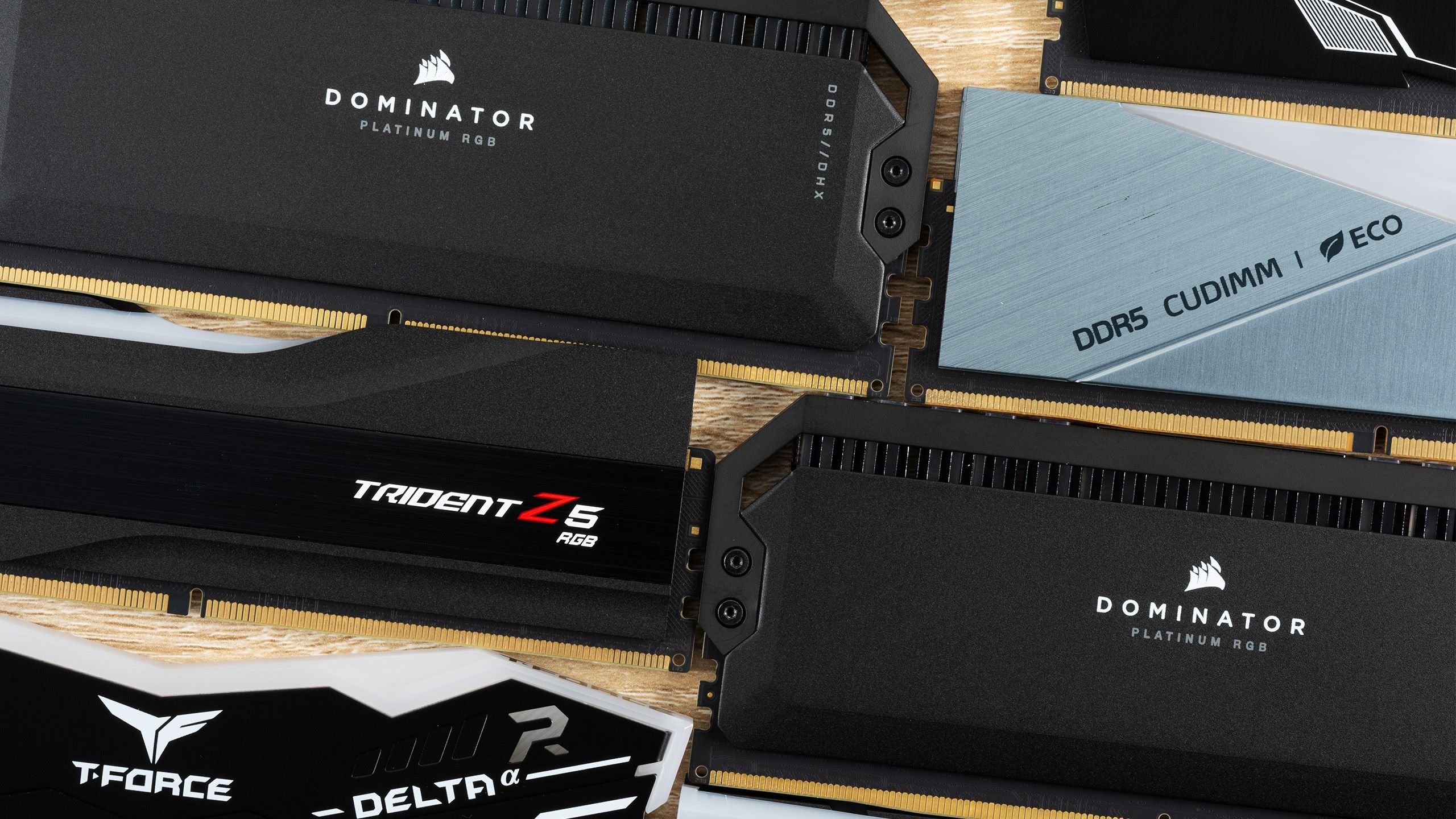
This stabilization comes as welcome news to PC builders and enthusiasts who have watched DDR5 prices skyrocket over the past six months. The data, which tracks the cheapest listings on Geizhals—a popular German price comparison website—shows that while individual kits continue to fluctuate based on demand and availability, the overall market has stopped its upward trajectory.
Market Analysis: A Mixed Picture Emerges
The stabilization in Germany reflects broader industry trends that have been emerging across Europe and North America. Just last week, PCPartPicker's data showed similar leveling off for both DDR4 and DDR5 kits, though high-speed DDR5 offerings were still experiencing some upward pressure at the time of reporting.
What makes the German data particularly interesting is the emergence of price cuts for certain DDR5 configurations. The most notable example is 64GB (2x32GB) 6000 MT/s kits, which saw an average price reduction of 15% during January. These kits dropped from 699 EUR at the start of the month to 596 EUR by the end, suggesting that supply constraints may finally be easing for some product categories.
However, the market remains far from normal. While the rate of increase has slowed dramatically, DDR5 prices remain significantly elevated compared to pre-shortage levels. The sweet spot for current-gen PCs—32GB DDR5-6000 kits—continues to sell for around 400 EUR, representing a staggering 432% increase since July 2025.
Configuration-Specific Trends
A closer look at specific DDR5 configurations reveals a complex pricing landscape:
- 64GB (2x32GB) 6000 MT/s kits: -15% (699 EUR → 596 EUR)
- 96GB (2x48GB) 6400 MT/s kits: +17%
- 32GB (2x16GB) DDR5-6000 CL28: +11%
- 32GB DDR5-6000 (sweet spot): 400 EUR (432% increase since July 2025)
The divergence in pricing trends across different configurations suggests that the market is beginning to differentiate between products based on actual demand rather than simply reacting to supply constraints. High-capacity, high-speed kits continue to see price increases, while more mainstream configurations are experiencing price reductions.
Global Context and Supply Chain Factors
The stabilization in Germany comes against the backdrop of a global DRAM shortage that has affected markets worldwide. The shortage was triggered by a combination of factors, including increased demand from AI and data center applications, manufacturing disruptions, and geopolitical tensions affecting semiconductor supply chains.
German retailers have been particularly affected due to the country's position as a major European technology market. The data from Geizhals represents one of the most comprehensive views of actual retail pricing trends, as it tracks real-time changes across multiple retailers rather than relying on manufacturer suggested retail prices.
Looking Ahead: Cautious Optimism
While the 0.1% price increase in January represents a significant improvement over recent months, industry analysts caution against declaring victory too soon. The DRAM market remains vulnerable to several factors that could trigger renewed price increases:
- Continued strong demand from data centers and AI applications
- Potential new supply chain disruptions from geopolitical events
- Manufacturing capacity constraints as DRAM manufacturers prioritize higher-margin products
- Currency fluctuations that could affect European pricing
The fact that some kits are seeing price cuts suggests that supply may finally be catching up with demand for certain product categories. However, the continued high prices for mainstream configurations indicate that the market has not yet returned to normal.
Impact on PC Building and Upgrades
For PC builders and upgraders, the stabilization in DDR5 pricing provides some breathing room, though the high absolute prices mean that memory upgrades remain a significant expense. The price cuts on 64GB kits may benefit content creators and professionals who require large amounts of memory, while mainstream users continue to face high costs for 32GB configurations.
The situation also highlights the ongoing relevance of DDR4 memory, which has seen more substantial price reductions as the market shifts toward DDR5. For budget-conscious builders, DDR4 remains a viable option, particularly for applications that don't require the highest memory speeds.
Regional Variations and Market Dynamics
It's worth noting that the German market may not perfectly reflect conditions in other regions. European markets often experience different pricing dynamics due to factors such as import duties, local demand patterns, and retailer competition. However, the trends observed in Germany often serve as leading indicators for broader European and global market movements.
The stabilization in Germany could signal the beginning of a broader market correction, though the pace and extent of any price reductions will likely vary by region and product category. As supply chains continue to adjust and demand patterns evolve, the DRAM market appears to be moving toward a new equilibrium, albeit at prices significantly higher than those seen in 2024.
For now, the 0.1% price increase in January represents the first real sign of hope for consumers after months of relentless price hikes. While DDR5 memory remains expensive, the fact that prices have stopped climbing—and in some cases are actually falling—suggests that the worst of the shortage may finally be behind us.

Comments
Please log in or register to join the discussion