Nicholas Chen's decade-long coding evolution offers a blueprint for aspiring developers, blending academic foundations with hackathons, production failures, and AI experimentation. His path reveals how hands-on projects and iterative learning forge technical mastery in modern software engineering.
The Unconventional Curriculum of a Self-Made Engineer
Nicholas Chen's programming journey began predictably—building a Java Hangman game in high school—but rapidly accelerated into a masterclass in experiential learning. His trajectory from C++ basics to shipping production code at startups like TextQL defies traditional education, emphasizing project-driven growth over theoretical study. Chen’s catalog of small learnings—documented in a recent personal blog—highlights how competitive programming contests, university courses, and relentless hackathon participation coalesced into professional expertise.
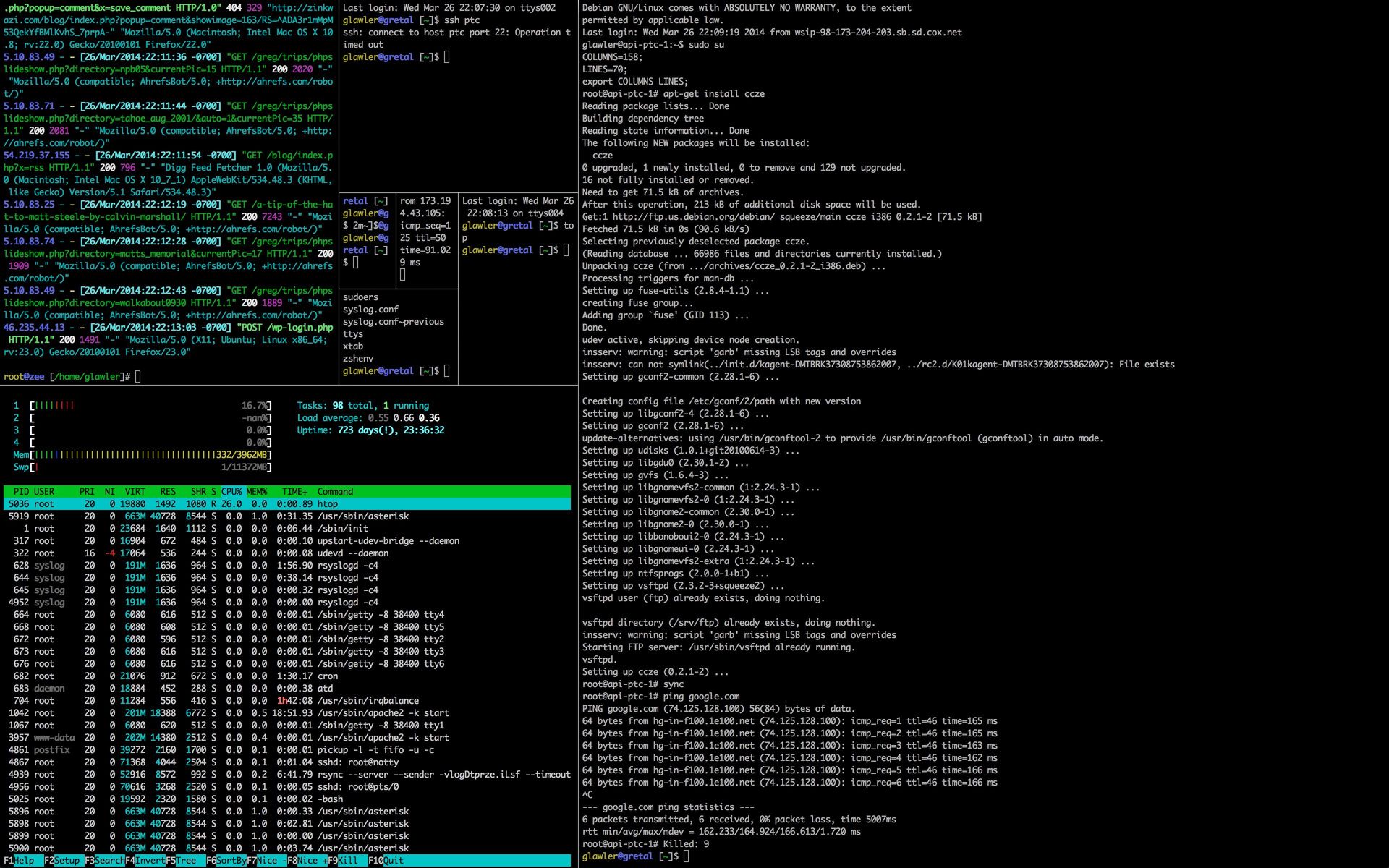 Chen’s journey underscores the terminal as a developer’s true classroom (Source: nicholaschen.me)
Hackathons: The Crucible of Rapid Skill Acquisition
Chen’s portfolio reveals hackathons as pivotal inflection points. At events like JamHacks and Hack the Valley, he built GPT wrappers, study tools, and even a posture-checking robot—each project layering new technical skills:
- Languages as Tools: Progressing from Java/C++ to Kotlin (for Android apps), Go (image processing), and Rust
- AI Experimentation: Early dives into Python-based ML models, later evolving into "agentic AI" work at TextQL
- Full-Stack Fluency: Combining TypeScript, Svelte, and Postgres for apps like a SQL query parser
"Built a Discord summarizer bot using Python for fun at 2am," Chen notes—a testament to intrinsic motivation fueling skill development.
Professionalization Through Pain
Internships at RBC and Ownr transformed academic knowledge into engineering rigor. Chen recounts critical lessons:
- Breaking production systems four times at TextQL, leading to deeper debugging mastery
- Adopting Git advanced commands (
cherry-pick,bisect) for complex version control - Implementing testing suites and CI/CD practices after "coworker told me to start using iTerm2" This phase underscores how professional environments accelerate competence through consequence-driven learning.
The Modern Developer’s Toolkit
Chen’s tech stack evolution mirrors industry shifts:
- AI-Assisted Coding: Leveraging Claude, Codex, and Cursor for daily workflows
- Infrastructure Literacy: Deploying apps via Railway and mastering cloud-native tools
- Systems Thinking: Progressing from LeetCode puzzles to distributed system design His experience validates that foundational languages (C++ for algorithms) remain relevant even as AI reshapes workflows.
Chen’s chronicle isn’t just a resume—it’s evidence that developer expertise emerges from persistent tinkering, embraced failures, and the synthesis of academic theory with real-world chaos. As AI tools democratize coding, his journey suggests the next generation’s edge will lie not in memorizing syntax, but in creatively composing technologies to solve messy problems. The terminal, the hackathon, and the production outage remain our era’s great instructors.
Source: Nicholas Chen's blog
Comments
Please log in or register to join the discussion