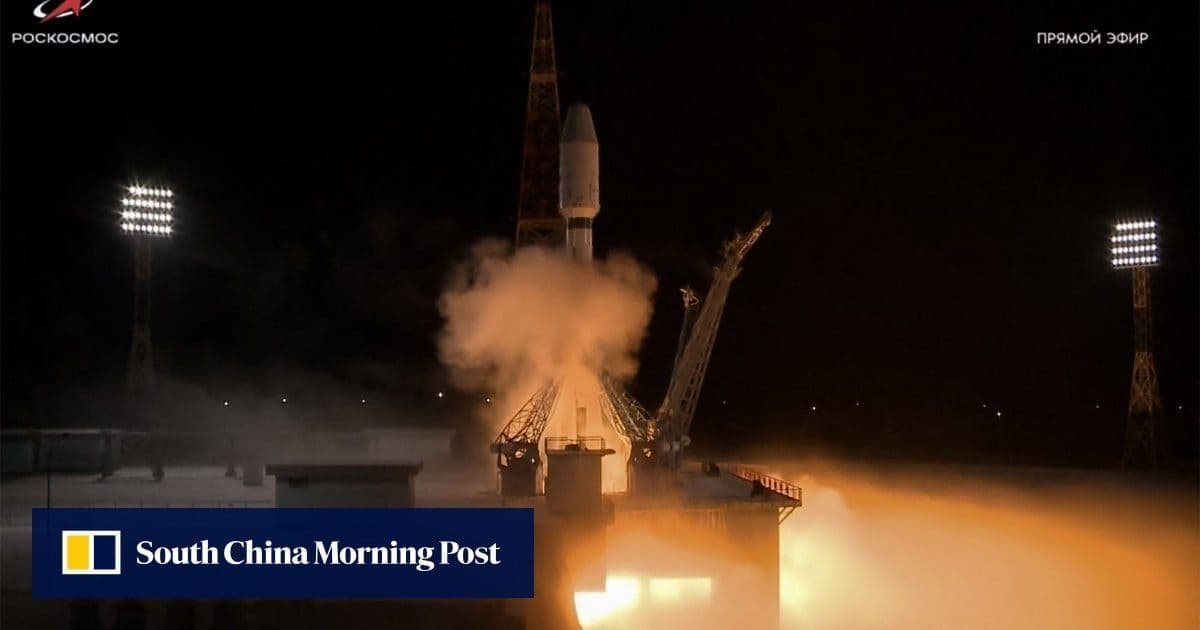
Iran has launched three domestically developed observation satellites using a Russian Soyuz rocket, featuring advanced AI for enhanced imaging capabilities. The move highlights Tehran's push for technological self-reliance despite Western sanctions, with claims of peaceful applications in environmental monitoring.
Iran’s space program took a significant step forward with the launch of three domestically built satellites from Russia’s Vostochny Cosmodrome. The satellites—Zafar-2, Paya, and Kowsar 1.5—are designed for observation purposes and were developed by Iran’s private sector, according to state media reports. This collaboration underscores Tehran’s efforts to advance its aerospace capabilities in the face of international restrictions.
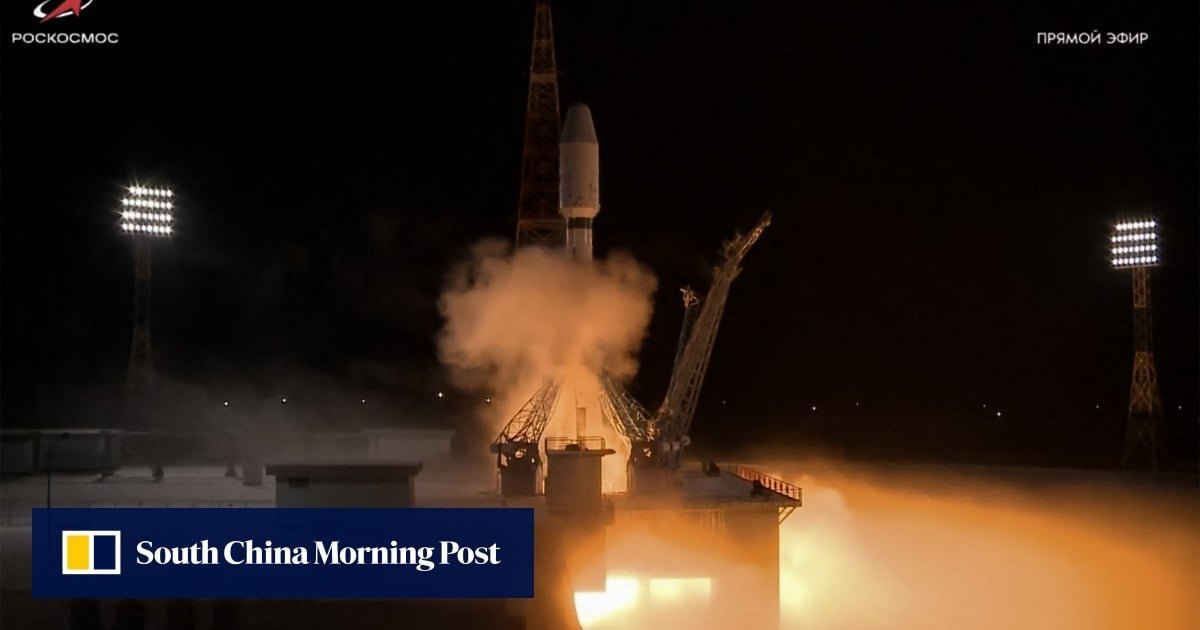
Central to the mission is the Paya satellite, hailed as Iran’s most sophisticated imaging satellite to date. It employs artificial intelligence to boost image resolution, enabling applications such as water resource management, environmental tracking, and detailed mapping. State news agency IRNA emphasized these civilian uses, framing the launch within Iran’s assertion that its space activities comply with UN Security Council resolutions and are peaceful in nature.
This development occurs against a backdrop of heightened geopolitical tensions. Western sanctions have long targeted Iran’s technology sectors, citing concerns over dual-use capabilities—where space technology could potentially support military surveillance or missile programs. Yet, the integration of AI into satellites like Paya illustrates a broader trend: nations under sanctions are accelerating innovation in critical technologies, from imaging to autonomous systems.
For the global tech community, the launch raises pertinent questions. AI-enhanced satellites could revolutionize fields like climate science and disaster response, but they also amplify debates around orbital surveillance and data sovereignty. As Iran advances its space infrastructure with Russian support, it signals a shift in how emerging tech ecosystems navigate international barriers, potentially reshaping access to space-based intelligence.
Source: Agence France-Presse, via SCMP.
Comments
Please log in or register to join the discussion