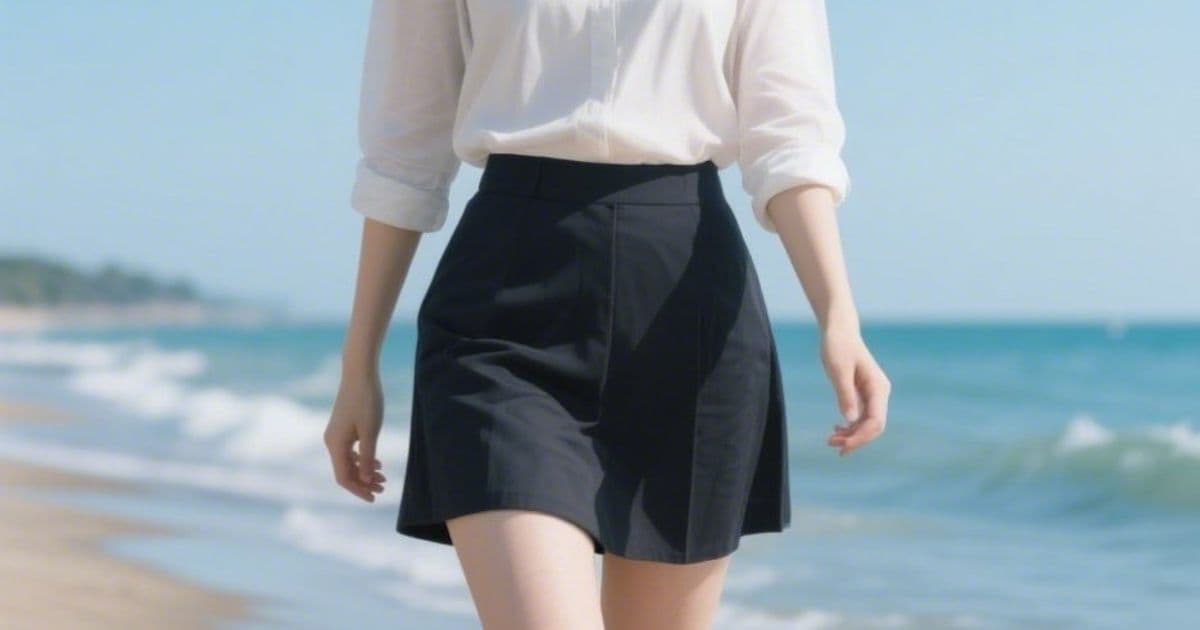
A new wave of AI applications is making complex video synthesis accessible to anyone, transforming static photos into animated twerk videos in seconds. While marketed for viral entertainment, the underlying deep learning models and motion transfer techniques raise significant questions about the democratization of generative AI and ethical boundaries.
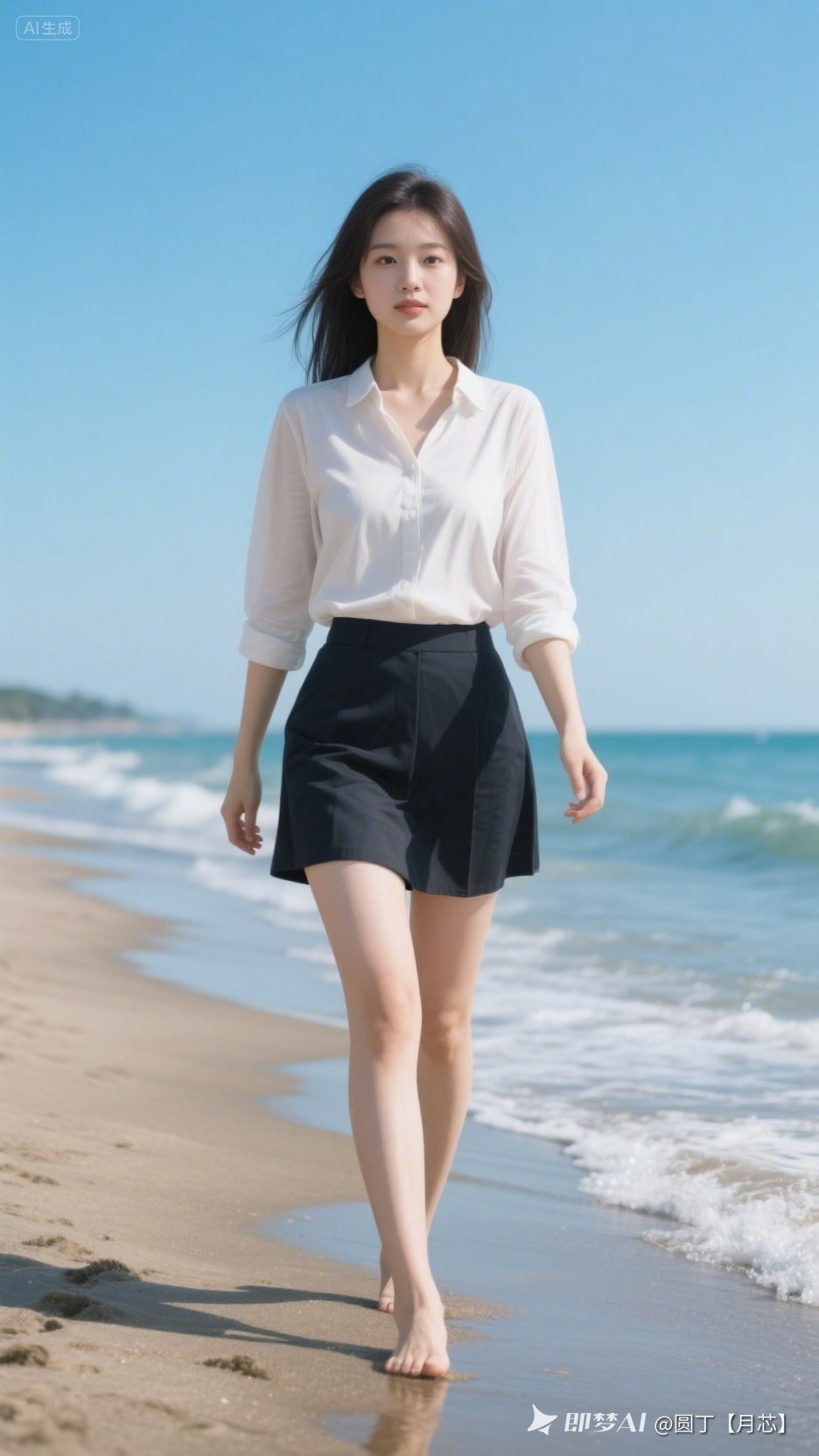
The viral AI application landscape has taken a provocative turn with the emergence of services like AI Twerk Generator. Promising to transform any uploaded photo into a dynamic, booty-shaking video within 30 seconds, this platform exemplifies the rapidly advancing – and increasingly accessible – capabilities of generative video synthesis. Beyond the surface-level entertainment value lies a complex interplay of machine learning models, motion transfer algorithms, and significant ethical considerations.
How the AI Animation Works (Technically Speaking)
The service leverages deep learning models, likely built upon foundational architectures like Generative Adversarial Networks (GANs) or diffusion models, trained on vast datasets of human motion, particularly dance movements. Here's the technical workflow based on the platform's description:
- Image Analysis & Pose Estimation: Upon upload (supporting JPG, PNG, WEBP, GIF, HEIC up to 50MB), the AI first analyzes the image. This involves detecting key human features and pose points using computer vision techniques, crucial even for non-standard subjects like pets or cartoons.
- Motion Transfer & Synthesis: Using pre-learned motion patterns (the "twerk dance styles" mentioned), the system applies sophisticated motion transfer algorithms. This involves mapping the desired rhythmic movements onto the detected pose points within the source image, generating the sequence of frames that create the animation. The claim of "smooth, natural-looking" results suggests the use of temporal smoothing and interpolation techniques.
- Rendering & Output: The synthesized frames are rendered into a video file at the selected resolution (480p, 720p, 1080p) and duration (5s or 10s). The platform emphasizes browser-based processing with no software installation.
Key Technical Features & Capabilities
- Group Animation: The system can process multiple images simultaneously, automatically arranging subjects and synchronizing their movements for a coordinated group dance video. This implies complex spatial and temporal alignment algorithms.
- Broad Subject Compatibility: While optimized for human figures (full-body or torso shots recommended), the AI attempts to animate diverse inputs like pets, avatars, or logos, showcasing adaptability in pose estimation and motion application.
- Resource Management (Credit System): Processing is managed via a credit system, reflecting the computational cost of AI inference. Higher resolutions (1080p) consume significantly more credits than lower ones (480p), directly correlating to increased GPU processing demands.
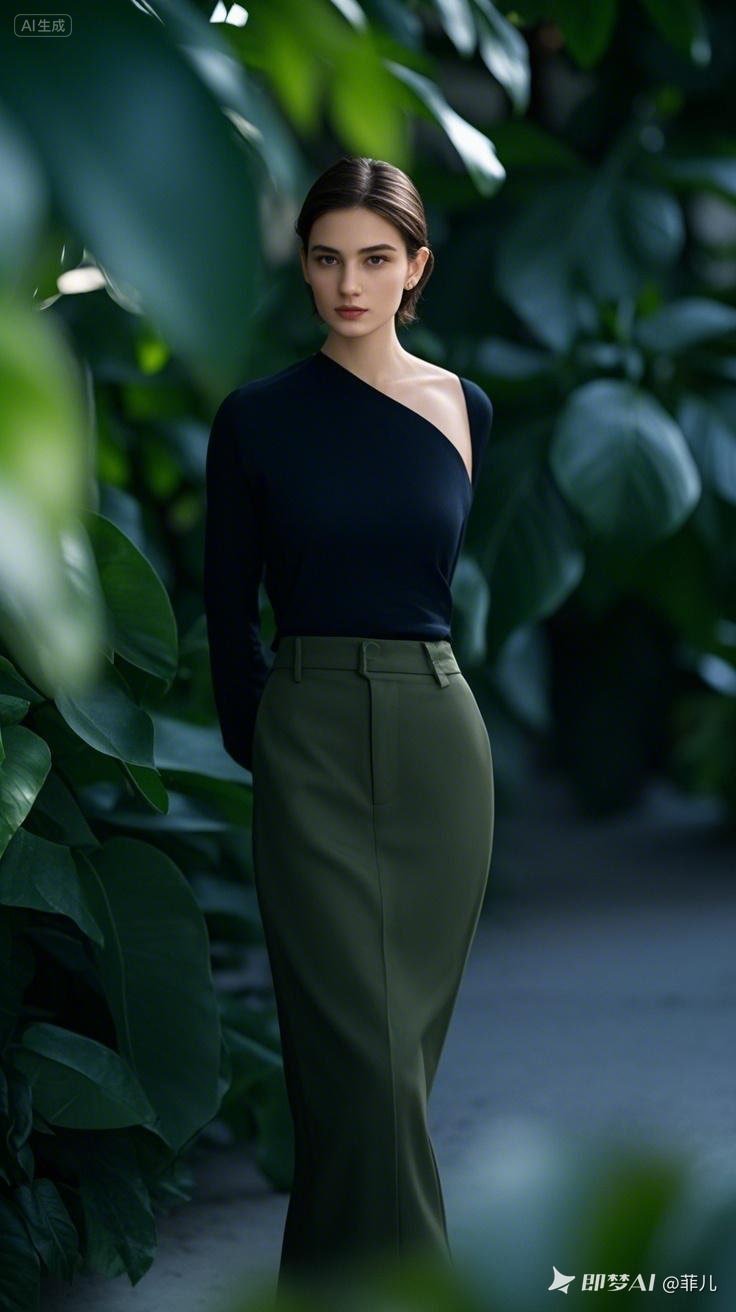
 Examples of AI-generated dance videos (Source: aitwerkgenerator.app)
Beyond the Booty Shake: Implications and Questions
The ease of use touted by the platform – "No Skills Needed – Just Upload & Go" – highlights a critical trend: the democratization of powerful generative AI. What once required specialized expertise and significant computational resources is now available via a simple web interface, albeit for a specific, niche output.
However, this accessibility raises profound questions:
- Deepfake Proliferation: While currently focused on humorous or viral content, the underlying technology for realistic human motion synthesis is the same used in deepfakes. Lowering the barrier to entry inevitably increases the potential for misuse, even if the current application seems benign.
- Privacy Claims: The platform states uploaded images are "automatically encrypted during processing and permanently deleted... immediately after your video is generated." While reassuring, the efficacy and verifiability of such deletion practices in cloud-based AI services remain a constant concern in the industry.
- Consent and Copyright: Generating videos of individuals (or copyrighted characters/logos) without explicit permission, even for parody or entertainment, ventures into legally and ethically murky territory. The platform's assertion that users retain "full rights to the generated videos" for commercial use sidesteps the issue of the original subject's rights.
The Double-Edged Sword of Accessible AI
The AI Twerk Generator is a stark example of how sophisticated neural networks are being productized for mass consumption. It demonstrates impressive technical feats in pose estimation, motion transfer, and rapid video synthesis. Yet, it also serves as a canary in the coal mine, highlighting the urgent need for broader discussions around the ethical deployment of generative video AI, robust consent frameworks, and the societal impact of making such potent deepfake-adjacent technology available with a single click and a credit card. The technology enabling viral dance videos today could easily be repurposed tomorrow, forcing the tech community to grapple with the consequences of what it builds and releases into the wild.
Comments
Please log in or register to join the discussion