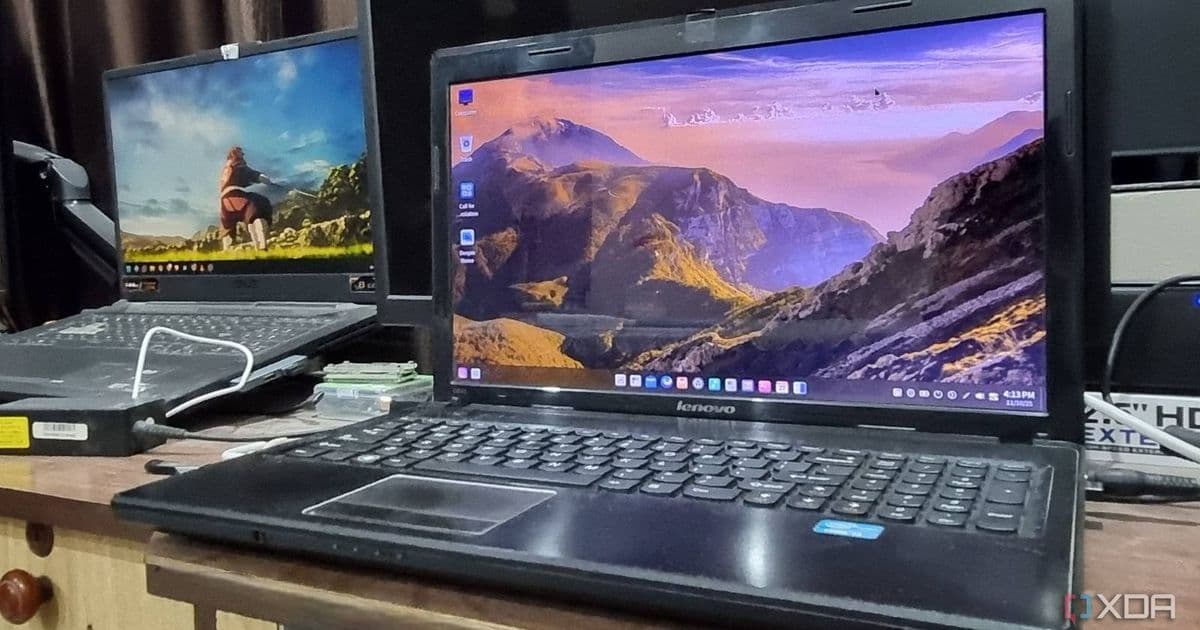
A recent security audit revealed critical vulnerabilities in Deepin's desktop environment and its proprietary app store, leading a prominent Linux distribution to discontinue Deepin-based releases. The fallout highlights the risks of tightly coupled ecosystems and the importance of transparent security practices in the Linux world.
Deepin loses a flagship partner after security audit
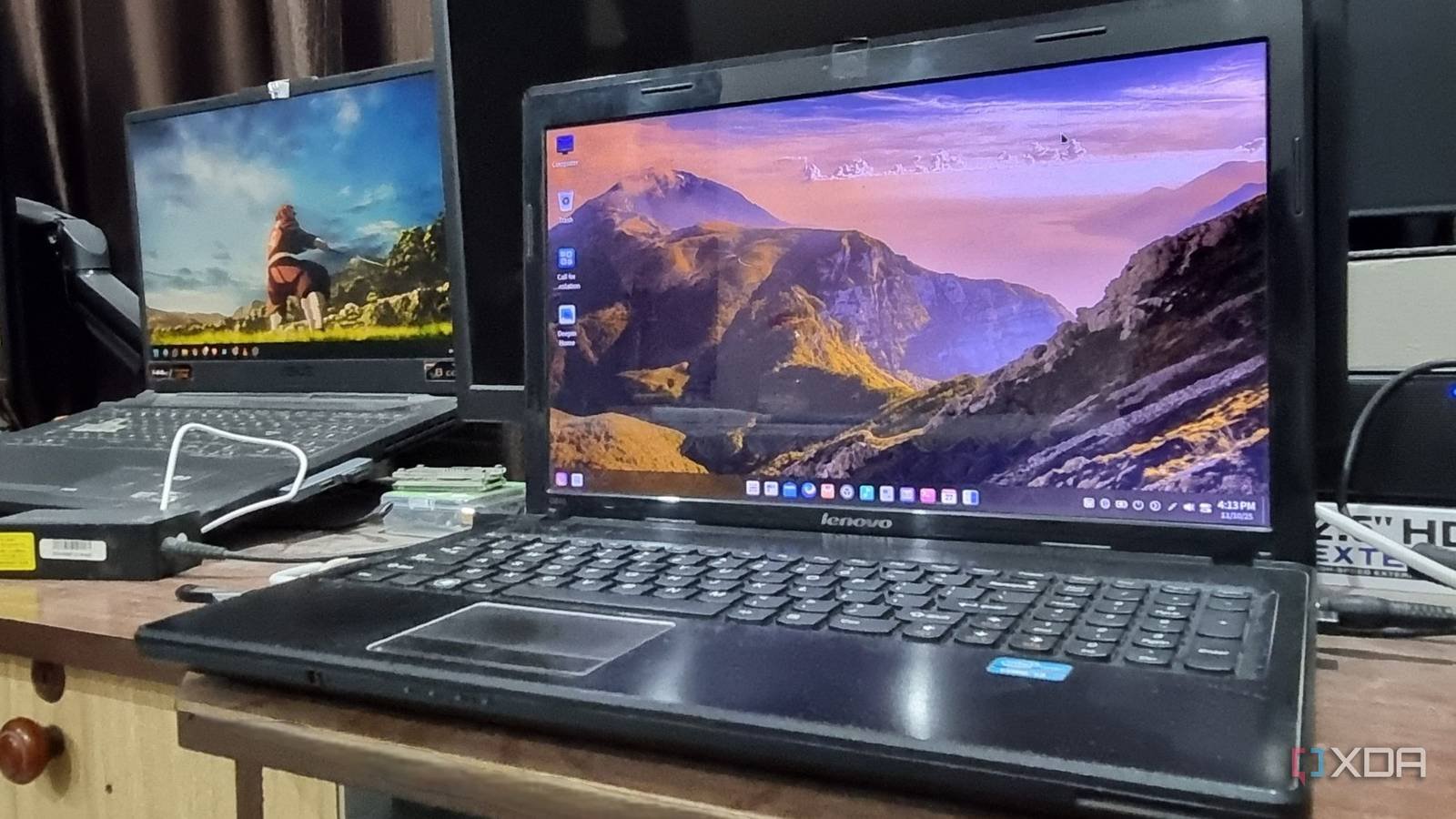
The Deepin Project, long praised for its polished desktop and visually striking UI, has hit a serious setback. A comprehensive security review commissioned by Ubuntu Budgie, one of the most widely used community‑driven Linux flavors, uncovered multiple high‑severity flaws in Deepin's core libraries and its proprietary app store. As a result, Ubuntu Budgie announced that it will no longer ship any Deepin‑based images, effectively cutting off a major distribution channel for the Chinese‑origin OS.
What the audit found
| Issue | Affected component | Severity | Impact |
|---|---|---|---|
Arbitrary code execution via dde‑clipboard |
Deepin Desktop Environment (DDE) | Critical | Remote attacker can inject malicious payload when a user copies specially crafted data. |
| Insecure package signing in Deepin Store | Deepin App Store (deepin‑software-center) | High | Malicious packages could be installed without user awareness, bypassing the usual apt verification. |
Information leakage through deepin‑audio |
Audio subsystem | Medium | Local users can enumerate running processes and file paths, aiding privilege‑escalation attempts. |
| Out‑of‑date OpenSSL linked libraries | Various system tools | High | Known CVEs (e.g., CVE‑2023‑0216) remain unpatched, exposing the whole system to man‑in‑the‑middle attacks. |
The audit was performed by the independent security firm Trail of Bits, which also provided a detailed remediation roadmap. While Deepin's developers have already begun patching the most urgent bugs, the timeline for a fully vetted release extends beyond Ubuntu Budgie's next LTS cycle.
Why this matters for the Linux ecosystem
Deepin's appeal has always been its integrated ecosystem: a custom desktop (DDE), a curated app store, and a set of themed applications that work together out of the box. This tight coupling makes it attractive for distributions that want a ready‑made, visually cohesive experience without spending weeks on UI polish.
However, that same integration creates a single point of failure. When a core component such as the app store is proprietary and not openly audited, downstream projects inherit the risk. Ubuntu Budgie's decision underscores a growing caution among community maintainers: they prefer stacks built on fully open, auditable codebases, even if it means sacrificing some visual flair.
The incident also raises questions about lock‑in. Users who adopted Deepin because of its sleek look often find themselves tied to the Deepin Store for software updates. When that store is compromised, the entire user experience is jeopardized, and migrating to a different desktop environment can become a painful process involving manual package replacements and theme adjustments.
Technical fallout for downstream distros
- Package repository divergence – Ubuntu Budgie will now maintain its own set of DDE‑compatible packages, built from upstream sources but stripped of any proprietary extensions. This means a longer sync cycle and potential feature gaps compared to the official Deepin releases.
- Theme and UI compatibility – Many themes rely on Deepin's custom Qt style plugins. Without official support, downstream maintainers must either fork those plugins or fall back to generic Qt themes, which can degrade the visual consistency that Deepin is known for.
- User data migration – Existing Deepin users on Ubuntu Budgie will need to migrate their settings. The team is providing a migration script that copies
~/.config/deepin*files to the new locations, but users should back up before proceeding.
What Deepin is doing to recover
The Deepin core team released a statement acknowledging the findings and pledging full transparency:
We take the security of our users seriously. All identified vulnerabilities will be patched within the next two weeks, and we will open a public bug‑tracker for ongoing review.
Key steps they have outlined:
- Open‑source the app store – The proprietary
deepin‑software-centerwill be moved to a public GitHub repository, allowing community contributions and independent audits. - Adopt upstream libraries – Deepin will replace bundled OpenSSL and Qt versions with the latest distributions from Debian/Ubuntu, ensuring timely security updates.
- Introduce a reproducible build pipeline – By publishing deterministic build scripts, Deepin hopes to regain trust from downstream projects that rely on binary reproducibility.
The broader lesson for Linux users
While Deepin continues to offer one of the most aesthetically pleasing Linux experiences, this episode reminds us that visual polish should not outweigh security hygiene. Users who value a cohesive UI need to weigh the convenience of an integrated app store against the risk of closed‑source components.
For power users and enterprises, the safest route remains building a desktop environment from fully audited, upstream packages—whether that means sticking with GNOME, KDE, or a community‑maintained fork of DDE.
Looking ahead
The next few months will be crucial. If Deepin can deliver the promised patches and open its store code, we may see a gradual return of confidence from projects like Ubuntu Budgie. Until then, the Linux community is likely to see a shift toward more modular, open stacks that avoid the pitfalls of tightly coupled ecosystems.
For those interested in following the remediation progress, the official Deepin repository and the audit report are available here:
Comments
Please log in or register to join the discussion