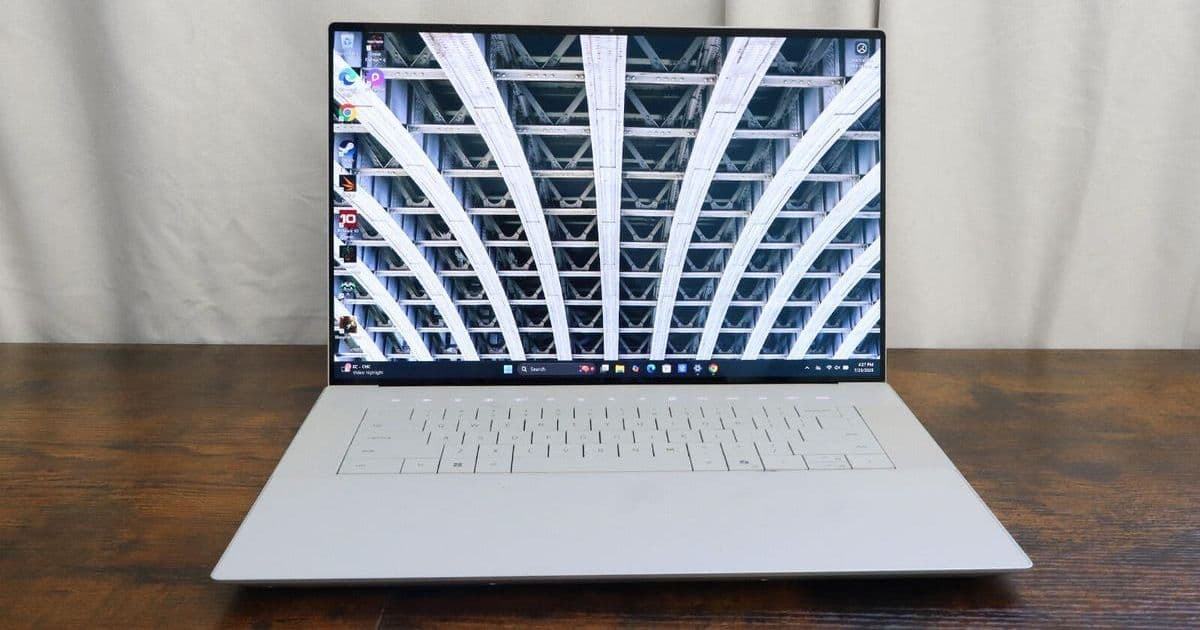
Dell's Premium 16 emerges as the spiritual successor to the iconic XPS 16, delivering stunning 4K OLED visuals and powerhouse performance for creative workloads. While it excels in graphic design and 3D rendering tasks, it inherits thermal constraints and battery limitations from its predecessor.
The Evolution of an Icon: Dell's Premium 16 Steps Into the Spotlight
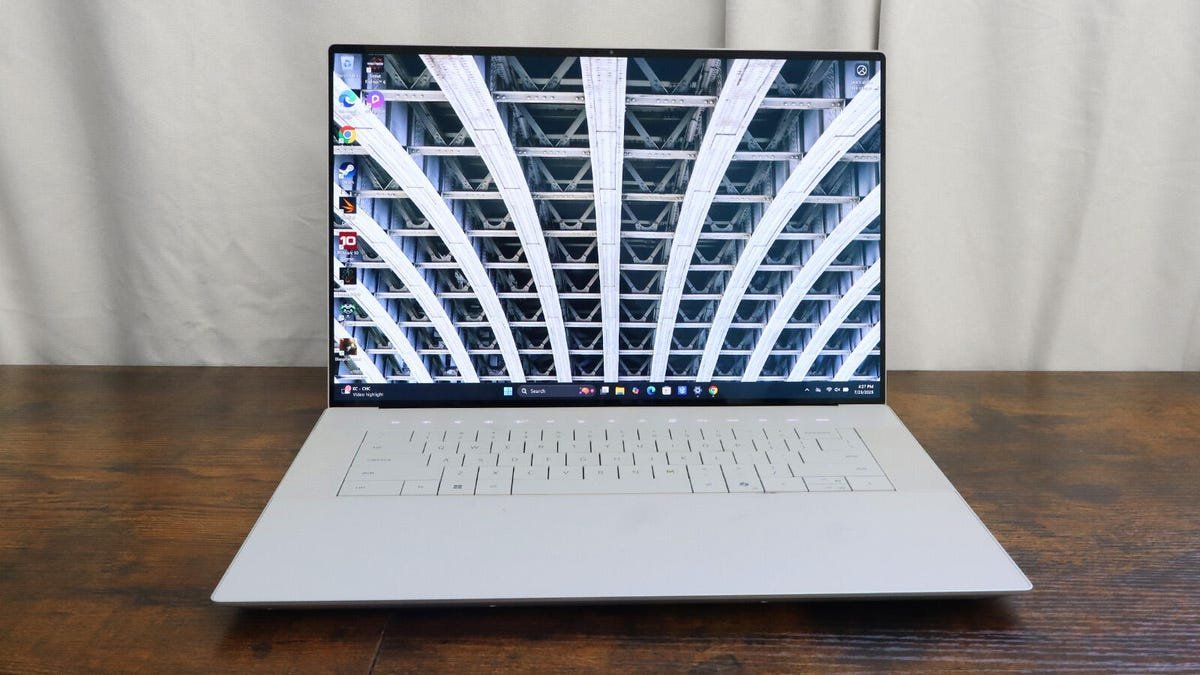
The tech world held its breath when Dell announced the Premium 16, positioned as the successor to the beloved XPS 16 lineup. Having spent significant time with both devices, I can confirm this isn't just a rebrand—it's a meaningful evolution that refines Dell's premium laptop formula while confronting familiar challenges.
Design Continuity With Strategic Refinements
At first glance, the Premium 16 feels like reuniting with an old friend. The signature zero-lattice keyboard returns, stretching edge-to-edge with satisfyingly springy keys that deliver one of Windows' finest typing experiences. Above it, the LED capacitive touch panel maintains the XPS lineage's minimalist aesthetic for function keys—a design choice that prioritizes sleekness over tactile feedback.
The invisible haptic trackpad remains a marvel of engineering, seamlessly blending into the palm rest while offering precise control across its expansive surface. Dell shaved noticeable weight (now 4.65 lbs) without compromising structural integrity, making daily transport significantly more manageable for mobile professionals.
Display Dominance: Where Creativity Comes Alive
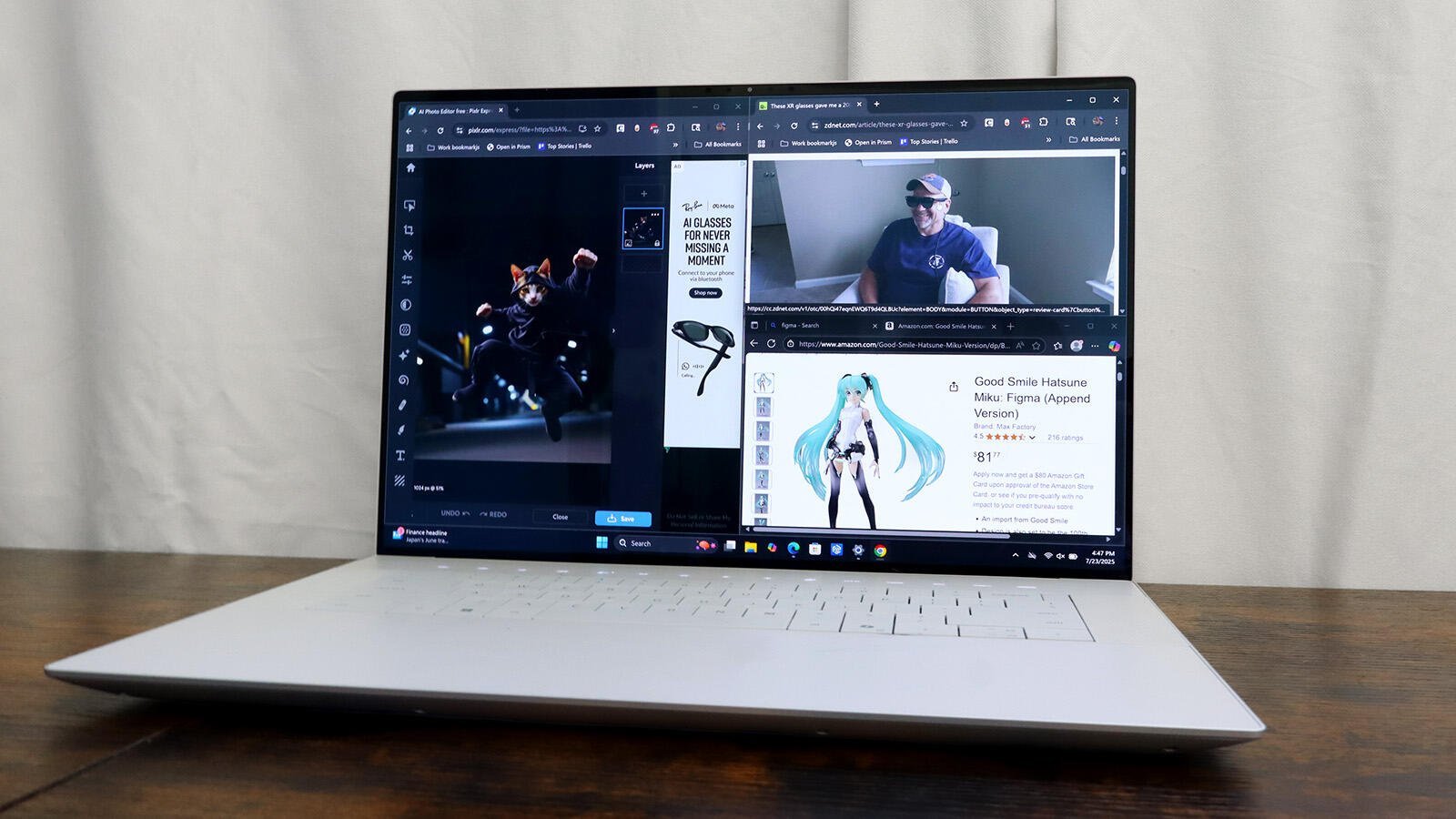
The 16-inch 4K OLED touchscreen isn't just a spec sheet highlight—it's a transformative workspace. Covering the full DCI-P3 color gamut with a 120Hz refresh rate, this InfinityEdge display delivers velvety-smooth animations and breathtaking color accuracy essential for creative workflows. Whether editing high-resolution assets or reviewing complex UI designs, the visual clarity elevates productivity.
Performance: Creative Workhorse With Thermal Tradeoffs
Powered by Intel's Core Ultra 7 255H and NVIDIA's RTX 5060 GPU (paired with 32GB RAM in my review unit), the Premium 16 handled demanding creative tasks with authority:
- Photo editing: Seamless manipulation of high-res RAW files
- UI/UX design: Fluid prototyping in Figma with instant rendering
- 3D modeling: Complex particle effects in 3D Render executed without stutter
Benchmark comparisons reveal its positioning in the premium segment:
| Device | Geekbench 6 | PCMark 10 | Cinebench 2024 |
|---|---|---|---|
| Alienware 18 Area-51m | 19,245 | 9,274 | 2,137 |
| Dell Premium 16 | 14,763 | 6,865 | 726 |
| HP EliteBook Ultra G1i | 10,993 | 7,328 | 496 |
However, this power comes at a cost: sustained workloads trigger significant heat buildup on the chassis underside. The cooling solution struggles during extended sessions, making lap use uncomfortable during intensive tasks.
Practical Considerations: Battery and Use Cases
Battery life remains the Premium 16's Achilles' heel. Even with energy-saving modes activated, expect just 5 hours of typical use—a limitation for all-day mobile workflows. The silver lining? Rapid charging restores 50% capacity in 30 minutes.
While technically capable of gaming (tested with Cyberpunk 2077 and Monster Hunter Wilds), thermal constraints and occasional frame drops suggest dedicated gaming laptops remain better suited for marathon sessions.
The Verdict: Who Should Invest?
Starting at $1,800 (with my $2,799 review configuration currently discounted), the Premium 16 carves its niche as a premium mobile workstation. It outperforms business-class alternatives like HP's EliteBook while costing significantly less than gaming-focused powerhouses like the $3,200 Alienware 18.
For graphic designers, video editors, and developers needing color-accurate visuals and robust performance in a portable form factor, this represents Dell's most compelling creative proposition. Just pack your charger and consider a cooling pad for those rendering marathons. The XPS legacy lives on—with all its brilliance and baggage intact.
Source: ZDNET
Comments
Please log in or register to join the discussion