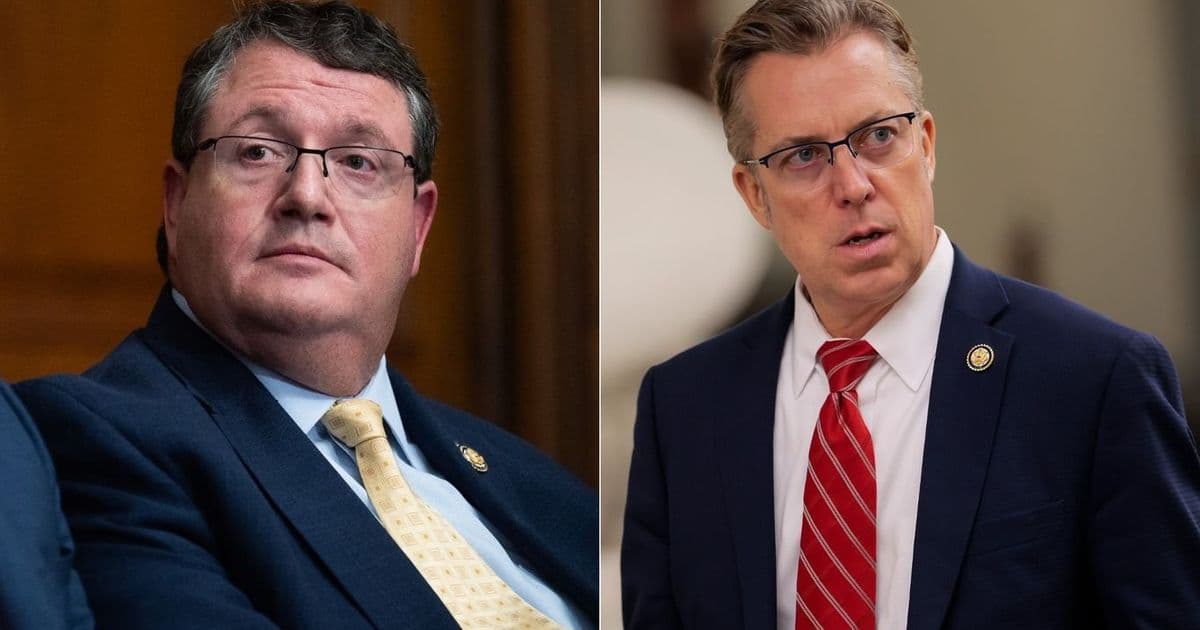
House Democrats are pushing to censure Republican Reps. Randy Fine and Andy Ogles over their inflammatory social media posts targeting Muslim communities, escalating partisan tensions over hate speech in Congress.
House Democrats have launched a formal effort to censure Republican Representatives Randy Fine of Florida and Andy Ogles of Tennessee following their recent anti-Muslim social media posts that have sparked outrage among lawmakers and civil rights groups.
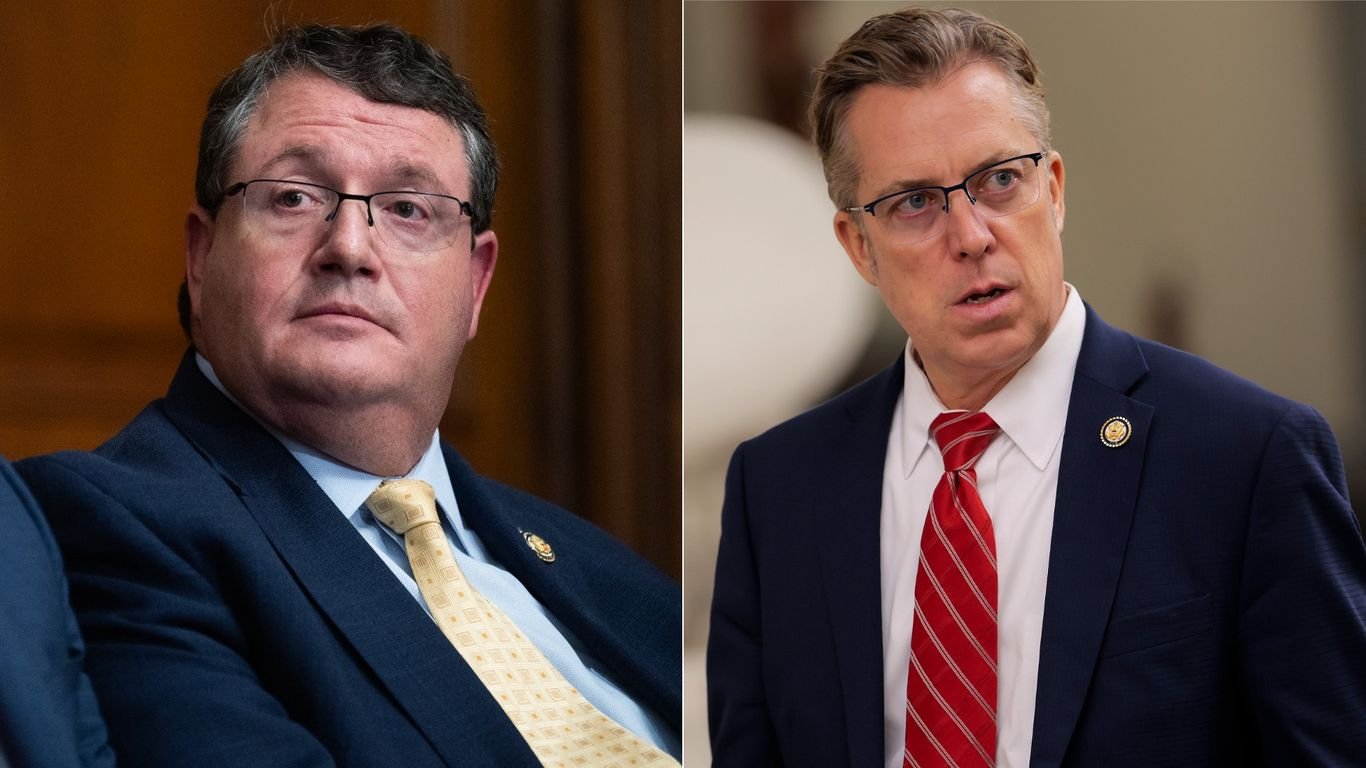
The censure resolution, spearheaded by Democratic leadership, cites specific posts from both representatives that critics say promote Islamophobia and religious discrimination. Fine, who has been a vocal supporter of former President Trump's policies, posted comments suggesting Muslim Americans cannot be loyal citizens, while Ogles shared content equating Islam with terrorism.
This move comes amid growing concerns about the normalization of anti-Muslim rhetoric in political discourse. The Council on American-Islamic Relations (CAIR) reported a 30% increase in anti-Muslim incidents in 2023, with social media being a primary platform for hate speech.
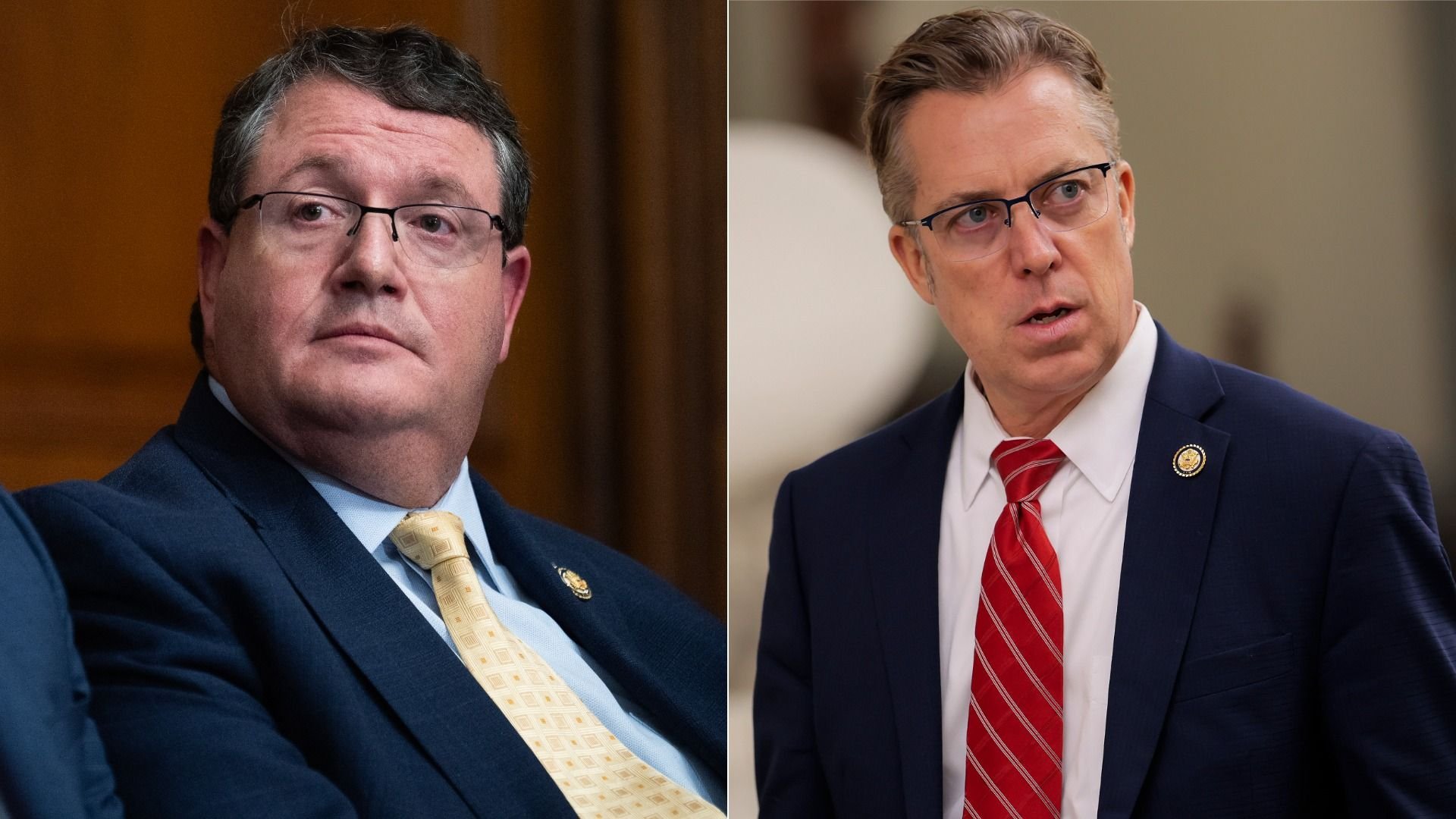
Reps. Fine and Ogles have defended their posts as "free speech" and criticism of "radical Islamic ideology," refusing to apologize. Their offices argue the censure attempt represents Democratic overreach and an attack on conservative viewpoints.
The censure process requires a simple majority vote in the House. If successful, it would mark only the second and third censures of the 118th Congress, following the censure of Rep. Adam Schiff last year. Censure is the House's most severe formal reprimand short of expulsion.
Political analysts note this escalation reflects deepening partisan divisions over what constitutes acceptable political speech. The controversy has already generated significant fundraising appeals from both sides, with each party portraying the other as extremists.
The resolution's fate remains uncertain in the narrowly divided House, where Republicans hold a slim majority. Some moderate Republicans have expressed discomfort with the posts but stopped short of supporting censure, citing concerns about setting precedents for punishing political speech.
This development adds to a series of high-profile incidents involving inflammatory rhetoric in Congress, raising questions about whether formal disciplinary measures can effectively address what many see as a broader cultural problem in American politics.
Comments
Please log in or register to join the discussion