The Department of Homeland Security is blocking unannounced congressional visits to ICE detention facilities in Minneapolis, citing a new funding mechanism that circumvents established oversight laws. This policy shift directly challenges the legal right of lawmakers to inspect detention conditions without advance notice.
The Department of Homeland Security has implemented a new policy that effectively blocks members of Congress from conducting unannounced inspections of Immigration and Customs Enforcement detention facilities. The policy, issued by Secretary Kristi Noem on January 8, requires at least seven days advance notice for any visit and was used this weekend to prevent three Minnesota Democratic representatives from accessing the Minneapolis ICE facility.
The Funding Mechanism That Changes Everything
Under federal law, specifically 8 U.S.C. § 1367, members of Congress possess the statutory right to make unannounced visits to ICE detention facilities. This authority exists to ensure meaningful oversight of conditions where individuals are held in federal custody. A federal court ruling last month reaffirmed this right, explicitly stating it applies to facilities funded through regular congressional appropriations.
However, Secretary Noem's memo exploits a critical distinction: facilities operating on funds from the "One Big Beautiful Bill Act" - a reconciliation measure passed last summer with only Republican support. This legislation allocated approximately $45 billion specifically for immigration detention centers, plus another $30 billion for hiring ICE personnel, transportation costs, and facility maintenance.
The administration's legal argument rests on this premise: because these facilities use "different buckets" of federal money - reconciliation bill funds rather than standard appropriations - the traditional oversight requirements don't apply. This represents a novel interpretation of congressional authority that could fundamentally alter how detention facilities are monitored.
What Happened in Minneapolis
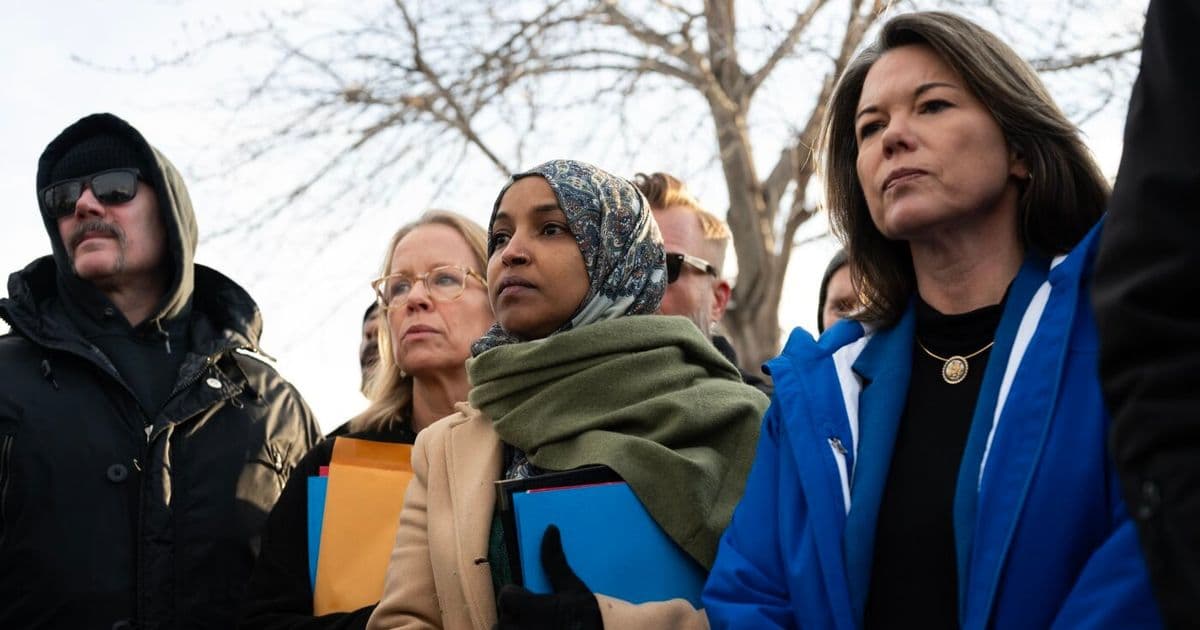
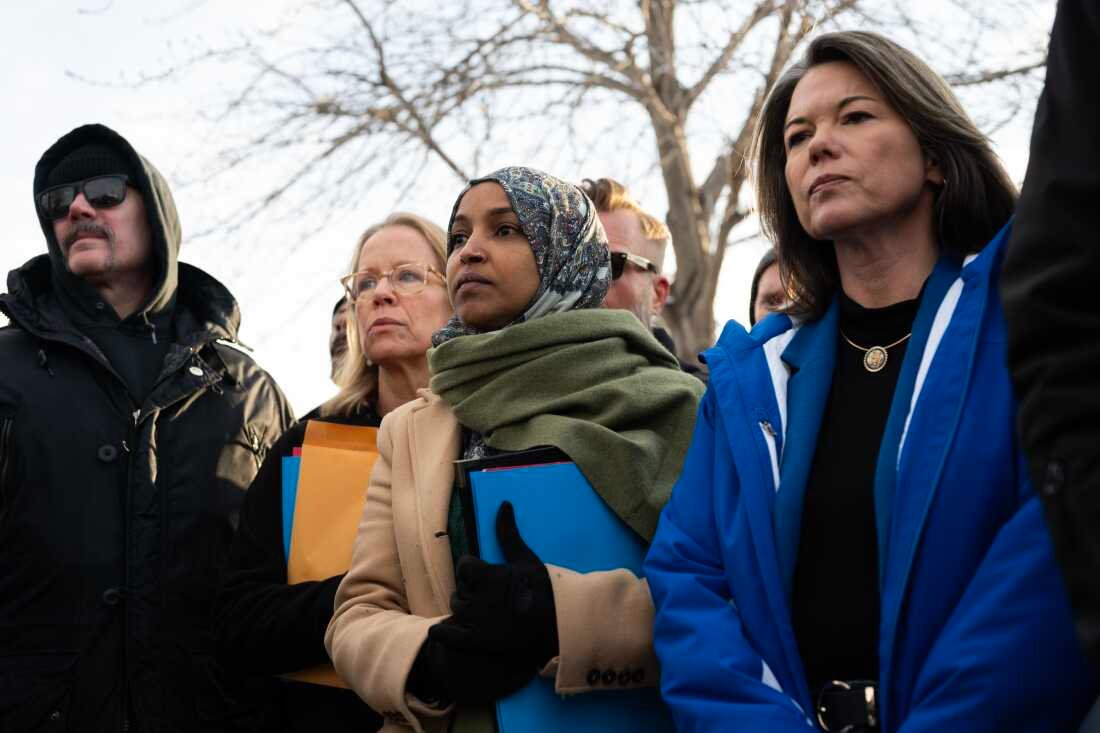
On Saturday, Democratic Representatives Ilhan Omar, Angie Craig, and Kelly Morrison arrived at the Whipple Federal Building in Minneapolis, which houses a regional ICE headquarters. They were initially granted access but quickly escorted out.
Rep. Angie Craig explained that federal agents cited the new policy, stating the Minneapolis facility uses One Big Beautiful Bill Act funds, making unannounced visits impermissible. Craig's response captured the stakes: "It is our job as members of Congress to make sure those folks detained are treated with humanity because we are the damn United States of America!"
The incident occurred against heightened tensions in Minneapolis. Just days earlier, an ICE agent shot and killed 37-year-old Renee Good while she was in her car. The Trump administration claims the shooting was justified as self-defense.
The Administration's Justification
Secretary Noem's memo presents two primary arguments for the seven-day advance notice requirement:
Operational Necessity: Noem claims unannounced visits require pulling ICE officers from their normal duties, disrupting facility operations. The policy states advance notice "is necessary to ensure adequate protection for Members of Congress, congressional staff, detainees, and ICE employees alike."
Preventing "Publicity Stunts": The memo explicitly criticizes what it calls "circus-like publicity stunts" replacing "legitimate oversight activities." Noem argues these visits create "a chaotic environment with heightened emotions."
The memo instructs ICE to implement and enforce this policy using only reconciliation bill funds, meaning the seven-day requirement would apply specifically to facilities or portions of facilities operating under this funding stream.
Legal and Practical Implications
This policy creates several complex legal questions:
Funding Segregation: Can the government truly segregate facilities or operations by funding source to circumvent oversight laws? Many facilities likely mix reconciliation and appropriations funds for various operations.
Congressional Authority: Does Congress retain oversight authority over how its reconciliation funds are spent, or does the administration's interpretation allow complete exemption from statutory visitation rights?
Precedent Setting: If upheld, this approach could extend beyond immigration detention. Any federal program funded through reconciliation or special appropriations might become exempt from standard oversight mechanisms.
The Broader Context
The Minneapolis facility represents just one piece of a significantly expanded immigration enforcement operation. More than 2,000 federal immigration agents have been deployed to Minnesota, with additional personnel expected. This surge reflects the administration's broader strategy of increased detention and removal operations.
The One Big Beautiful Bill Act's $45 billion detention allocation came as many facilities operated over capacity. The legislation passed through budget reconciliation, requiring only Republican votes, which allowed it to bypass the usual 60-vote Senate threshold.
What Comes Next
Several developments could follow:
Legal Challenges: Congressional Democrats and civil liberties organizations will likely challenge this interpretation in court, arguing it violates both statutory language and congressional intent.
Congressional Response: Lawmakers could amend existing statutes to explicitly prohibit funding-based exemptions from oversight requirements, though this would require Republican support in divided Congress.
Administrative Expansion: If this approach proves successful, the administration might apply similar funding strategies to other controversial federal operations to limit oversight.
State and Local Impact: Minnesota officials face the reality of increased ICE presence without traditional congressional oversight mechanisms to monitor conditions.
The Bottom Line
This represents more than a procedural dispute about visit scheduling. It's a fundamental test of whether the executive branch can use funding mechanisms to circumvent statutory oversight requirements established by Congress. The outcome will likely determine whether lawmakers retain meaningful authority to monitor conditions in federal detention facilities or whether special appropriations can create oversight-free zones within the federal government.
The Minneapolis incident serves as a concrete example of how abstract legal interpretations translate into real-world barriers to transparency and accountability in immigration enforcement operations.
Comments
Please log in or register to join the discussion