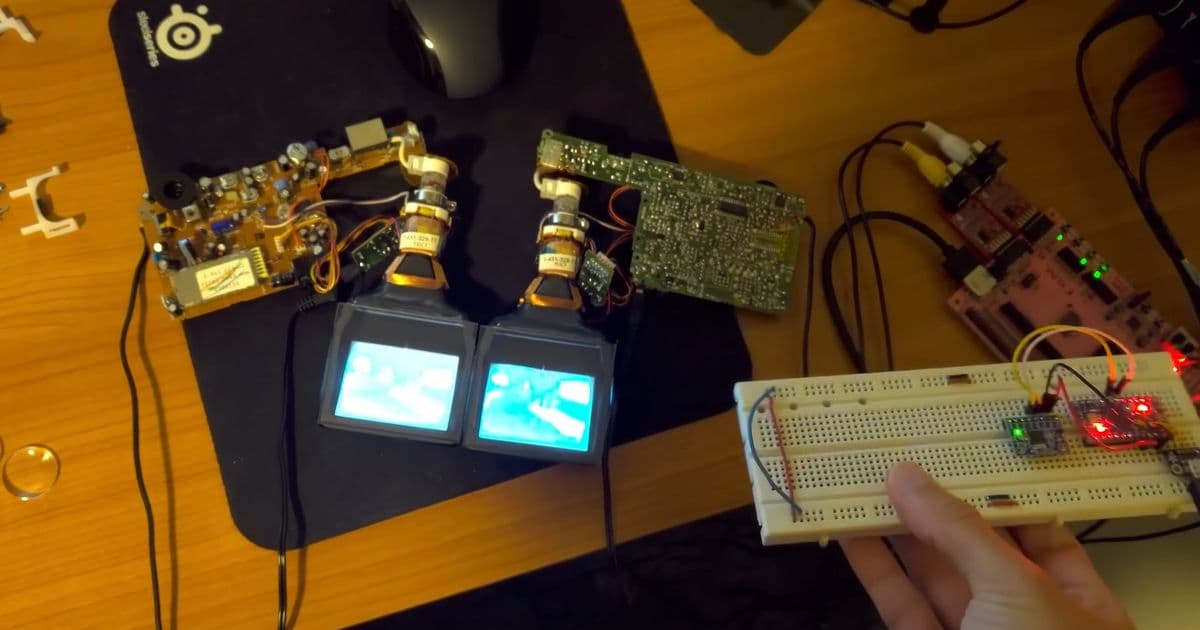
YouTube creator repurposes Sony Watchman CRTs to build unique VR headset that trades color and sharpness for nostalgic glow and reduced screen artifacts.
A YouTube creator has built a unique virtual reality headset using repurposed CRT (cathode-ray tube) displays from vintage Sony Watchman portable TVs, creating a device that eliminates the common screen door effect while sacrificing color reproduction and sharpness.
Building a CRT VR Headset
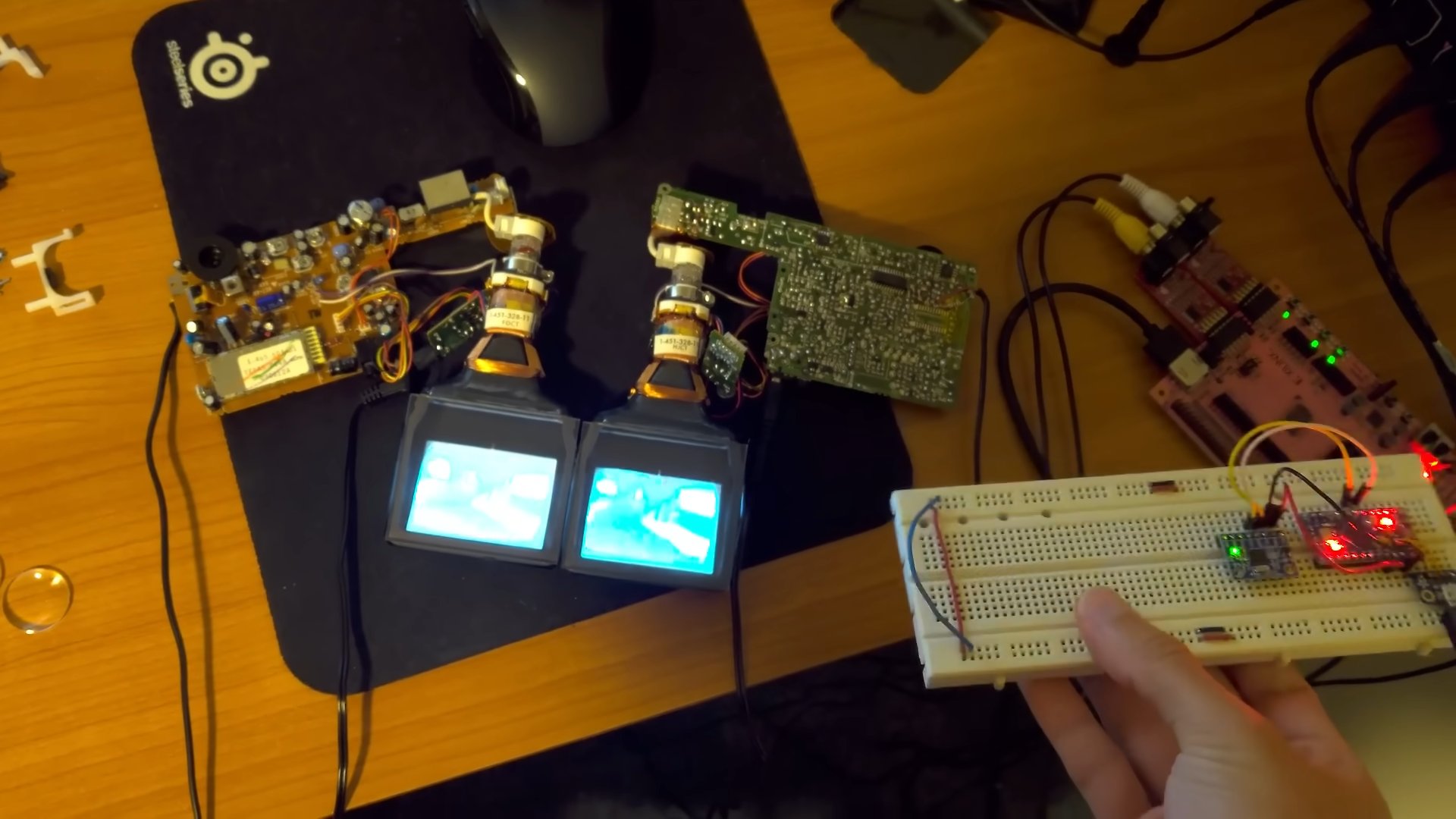
The project, documented by YouTuber 'dooglehead,' began with a simple desire: to experience the nostalgic glow of CRT technology in a modern VR context. Traditional VR headsets rely on LCD or OLED panels that, when viewed up close, can reveal a grid-like pattern between pixels known as the screen door effect (SDE). CRT displays, by contrast, have a natural anti-aliased appearance that blends pixels together.
Technical Challenges and Solutions
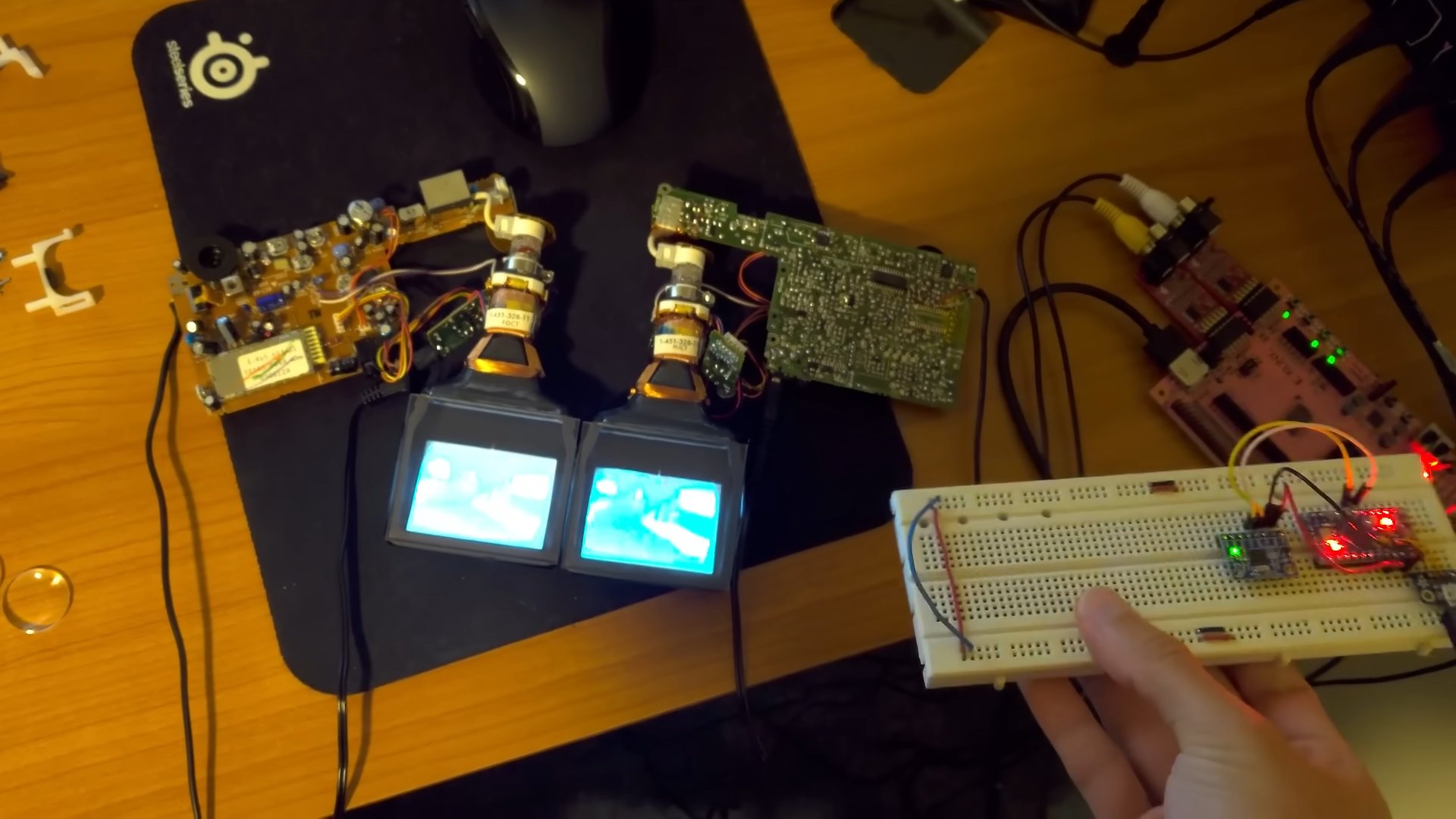
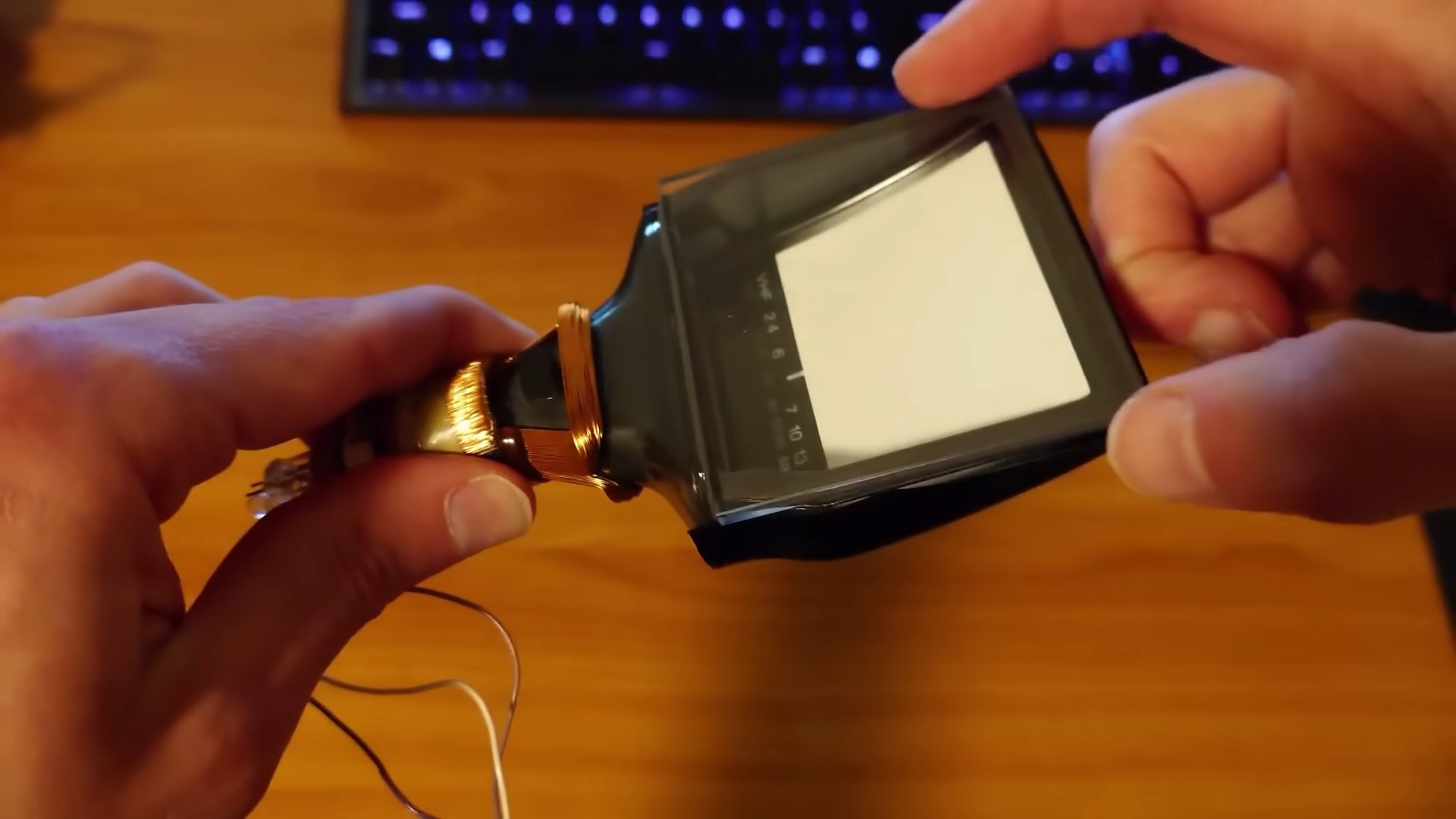
Dooglehead started with two Sony Watchman portable TVs from the 1990s, extracting their 2.7-inch CRT displays. These displays presented both advantages and limitations. Their side-viewing design—where the image is viewed from the same side as the electron beam rather than through the opposite end—made the assembly more compact and suitable for a VR headset. However, this design also meant the displays were limited to black and white reproduction due to shadow mask constraints.
Another significant challenge was the lack of composite input on the Watchman displays. To overcome this, dooglehead used an FPGA (Field-Programmable Gate Array) development board to create a custom HDMI input solution. Through programming, he configured the CRT to appear as an external monitor within Windows.
Tracking System Implementation
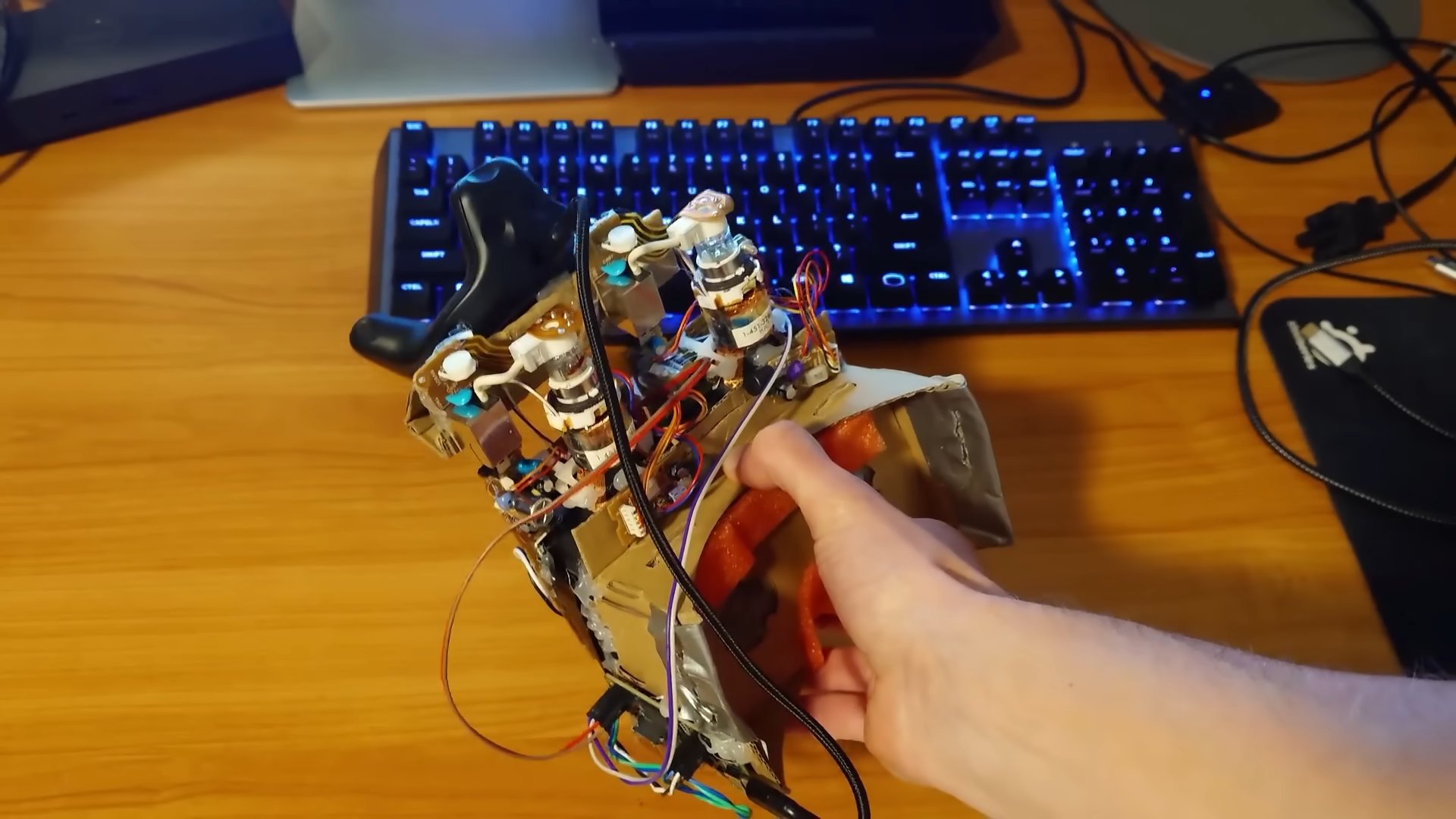
For head tracking, dooglehead followed DIY VR headset projects from GitHub to create a custom PCB featuring an IMU (Inertial Measurement Unit) for rotational tracking. The board included an HDMI port and two USB-C ports—one for powering the CRTs and another for connecting an HTC Vive tracker.
Positional tracking proved more complex. Since the makeshift headset lacked the constellation of tracking points found on commercial VR devices, dooglehead employed SteamVR lighthouse base stations. These infrared laser-based systems sweep the room thousands of times per second, with photodiodes in the headset detecting the laser hits to precisely triangulate position.
Assembly and Weight Considerations
The entire system was assembled on a Google Cardboard chassis, with the custom PCB, FPGA, CRT screens, and HTC Vive tracker strapped together. Despite the seemingly precarious construction, the complete headset weighed only 544 grams—lighter than many commercial VR headsets.
Performance and Limitations
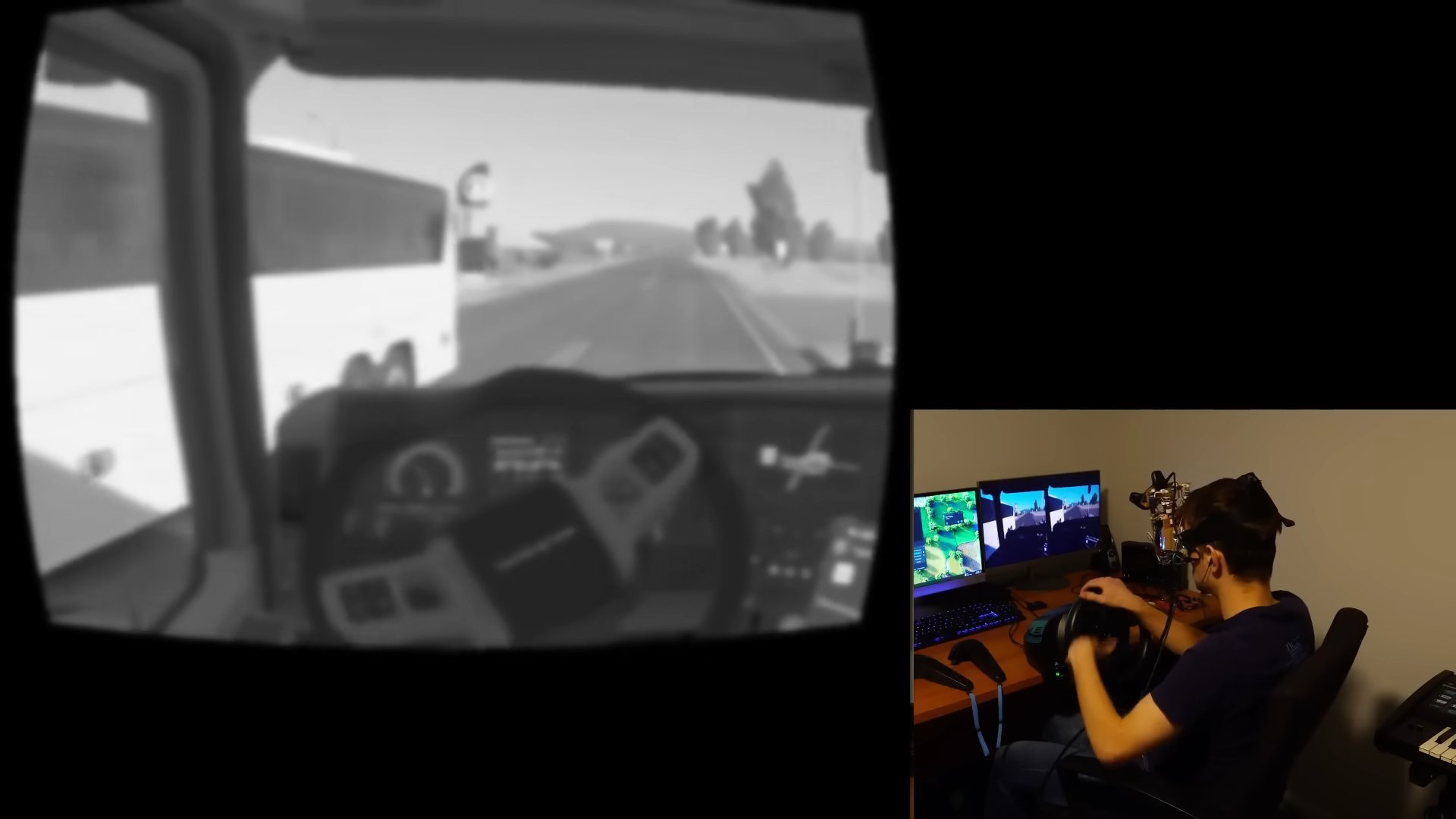
Dooglehead tested the headset across various VR titles including driving, shooting, and role-playing games. The resulting display showed a characteristic greyish luminescent image with CRT charm, but several limitations became apparent.
Color reproduction was the most significant drawback. The black and white display made it difficult to distinguish between certain game elements, particularly in titles where color coding is essential for gameplay. Additionally, the screens appeared blurry—not due to the 640x480 resolution per eye, but because the electron beam wasn't perfectly in focus. The perpendicular angle at which the beam hit the screen exacerbated this issue.
However, the CRT displays successfully eliminated the screen door effect, providing a smooth visual experience without the pixel grid visible on modern VR displays. This benefit is particularly notable given how susceptible VR screens are to SDE due to their proximity to the user's eyes.
Final Assessment
Despite successfully completing the project, dooglehead concluded that the CRT VR headset wouldn't replace his primary VR setup. The preference for color displays and the availability of high-resolution modern VR headsets that combat SDE through sheer pixel density made the DIY solution impractical for daily use.
The project demonstrates both the creative potential of repurposing vintage technology and the significant advancements in modern display technology. While CRT shaders can emulate similar visual characteristics, the physical implementation of CRT technology in a VR context remains more of a nostalgic experiment than a practical solution.
Dooglehead's project joins a growing community of hardware enthusiasts pushing the boundaries of what's possible with DIY VR solutions, even if the results are more about the journey than the destination.
Comments
Please log in or register to join the discussion