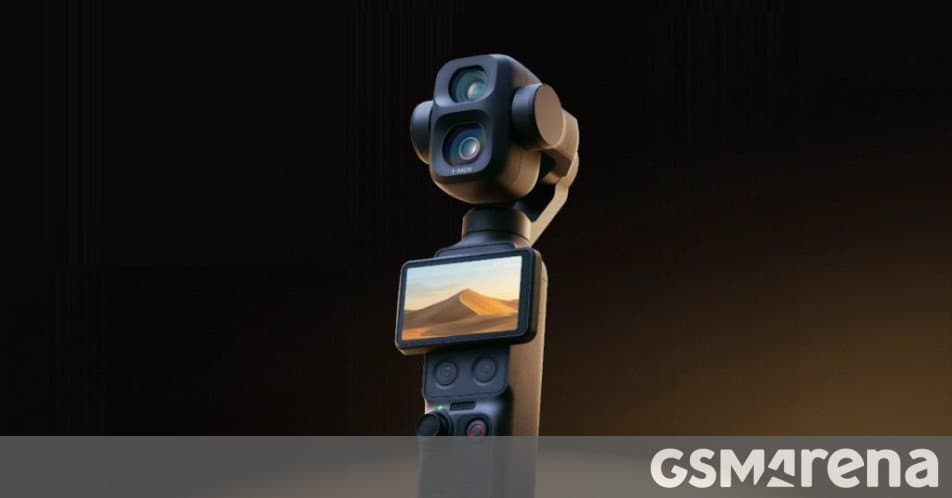
At Cannes, DJI introduced the Osmo Pocket 4P, a upgraded version of the Pocket 4 that adds a larger sensor, 10‑bit D‑Log2 recording and stronger zoom, aiming to replace bulkier gear for independent creators.
DJI unveils Osmo Pocket 4P, a compact cinema‑grade cam for indie filmmakers
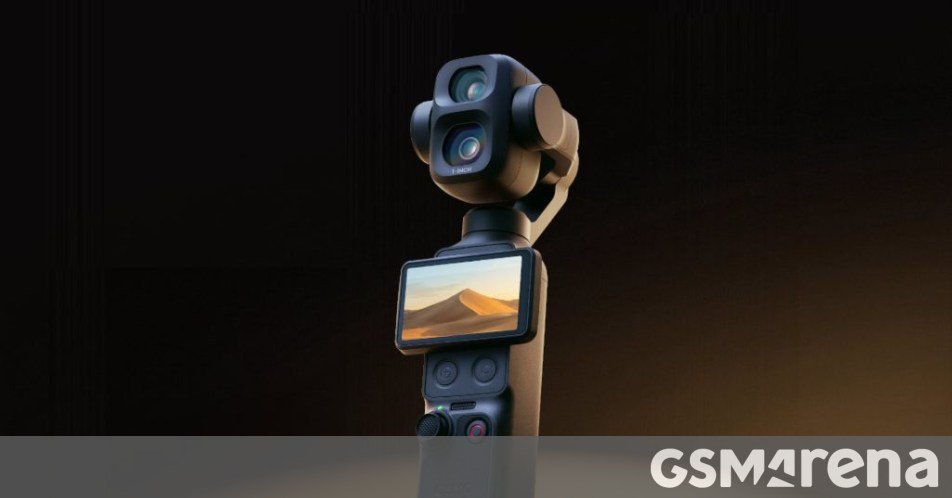
During the Cannes Film Festival, DJI stepped onto the stage for a brief showcase and announced the Osmo Pocket 4P. The new model builds on the Pocket 4 released a month earlier, but it is aimed at professional‑level independent filmmakers rather than the casual vloggers that the original targeted.
What sets the Pocket 4P apart?
- Larger sensor – DJI describes an “improved main sensor” that captures a wider dynamic range. Early leaks suggest a 1‑inch stacked sensor similar to the one in the Pocket 4, but with higher quantum efficiency, which translates to cleaner low‑light performance and more detail in highlights.
- 10‑bit D‑Log2 – The camera records in a 10‑bit D‑Log2 profile, giving up to 1,024 colour levels per channel. This provides a flatter image that retains more information for post‑production colour grading, a feature previously reserved for DJI’s larger cinema rigs.
- Enhanced zoom – A new optical‑zoom module adds up to 3× optical zoom while maintaining the Pocket’s signature 3‑axis gimbal stability. This makes tighter framing possible without sacrificing the handheld feel.
- Improved colour science – DJI’s updated colour‑reproduction algorithm targets more accurate skin tones, reducing the need for heavy correction in post.
- Built‑in storage – 64 GB of internal UFS 2.2 storage complements a micro‑SD slot, allowing up to 8 hours of 4K 60 fps footage without external media.
How the hardware works
The Pocket 4P keeps the familiar pocket‑sized body (≈ 115 mm × 66 mm × 31 mm) but adds a slightly larger lens assembly to accommodate the new zoom optics. The gimbal still uses DJI’s proprietary brushless motors, now tuned for a higher payload to support optional accessories such as the DJI Wireless Mic 2 and the Mini‑LED light panel.
The sensor’s larger pixel size (≈ 2.4 µm) improves photon collection, which is why the camera can render nighttime and indoor scenes with less noise. Combined with the 10‑bit D‑Log2 pipeline, creators can push exposure further into the shadows and highlights without clipping, a crucial advantage for cinematic storytelling.
Ecosystem considerations
DJI positions the Pocket 4P as a bridge between handheld cinema cameras and the traditional rig‑heavy workflow. It integrates tightly with the existing DJI accessory line:
- Stabilizer upgrades – The Pocket 4P can lock onto the DJI Ronin‑SC for additional axis control, turning the pocket cam into a mini‑dolly.
- Audio – The DJI Wireless Mic 2 plugs directly into the camera’s 3.5 mm jack, offering up‑to‑10 m range and dual‑channel recording.
- Software – Footage can be imported straight into DJI Mimo, which now supports D‑Log2 colour grading presets and a 4‑K timeline. For editors using Adobe Premiere Pro or DaVinci Resolve, DJI provides LUTs that map D‑Log2 to Rec‑709 or Rec‑2020.
Because the Pocket 4P runs on DJI’s custom Android‑based firmware, it receives OTA updates that can add new colour profiles, bitrate options, and even AI‑assisted framing tools. This ties the device into DJI’s broader ecosystem, encouraging users to stay within the brand for both hardware and software.
Availability and pricing
DJI has not announced a launch date or price point yet. The company hinted that the Pocket 4P will appear on its official web store later this year, likely after a short beta testing phase with select indie filmmakers. Based on the pricing of the Pocket 4 (US$699) and the added professional features, a retail price in the US$950‑$1,100 range seems plausible.
What this means for independent creators
If the specs hold up to the early impressions, the Osmo Pocket 4P could replace a small rig that normally includes a separate camera, gimbal, external recorder and mic. Its all‑in‑one nature reduces setup time, lowers the total gear weight, and keeps the production footprint small—advantages that matter on location shoots and tight budgets.
For creators already invested in DJI’s ecosystem, the Pocket 4P offers a logical upgrade path. For those on other platforms, the decision will hinge on whether the convenience outweighs the need for interchangeable lenses and larger sensor formats found in cameras like the Sony FX3 or Canon R5.
Source: DJI press release, Cannes Film Festival 2026
Comments
Please log in or register to join the discussion