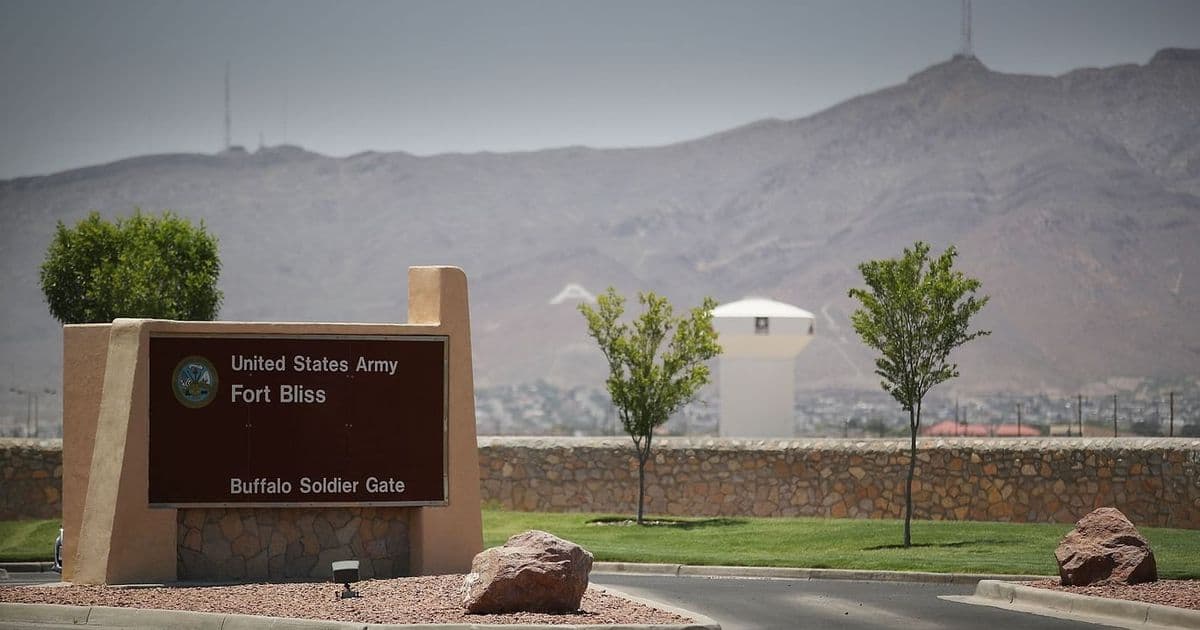
El Paso airspace temporarily closed after drone detected near Fort Bliss, highlighting growing border security challenges with unmanned aerial vehicles.
El Paso airspace was temporarily shut down Tuesday after officials detected a drone incursion near Fort Bliss, one of the largest military installations in the United States. The incident, which lasted approximately two hours, underscores the growing challenges military and border security agencies face in monitoring and controlling unmanned aerial vehicles along the southern border.
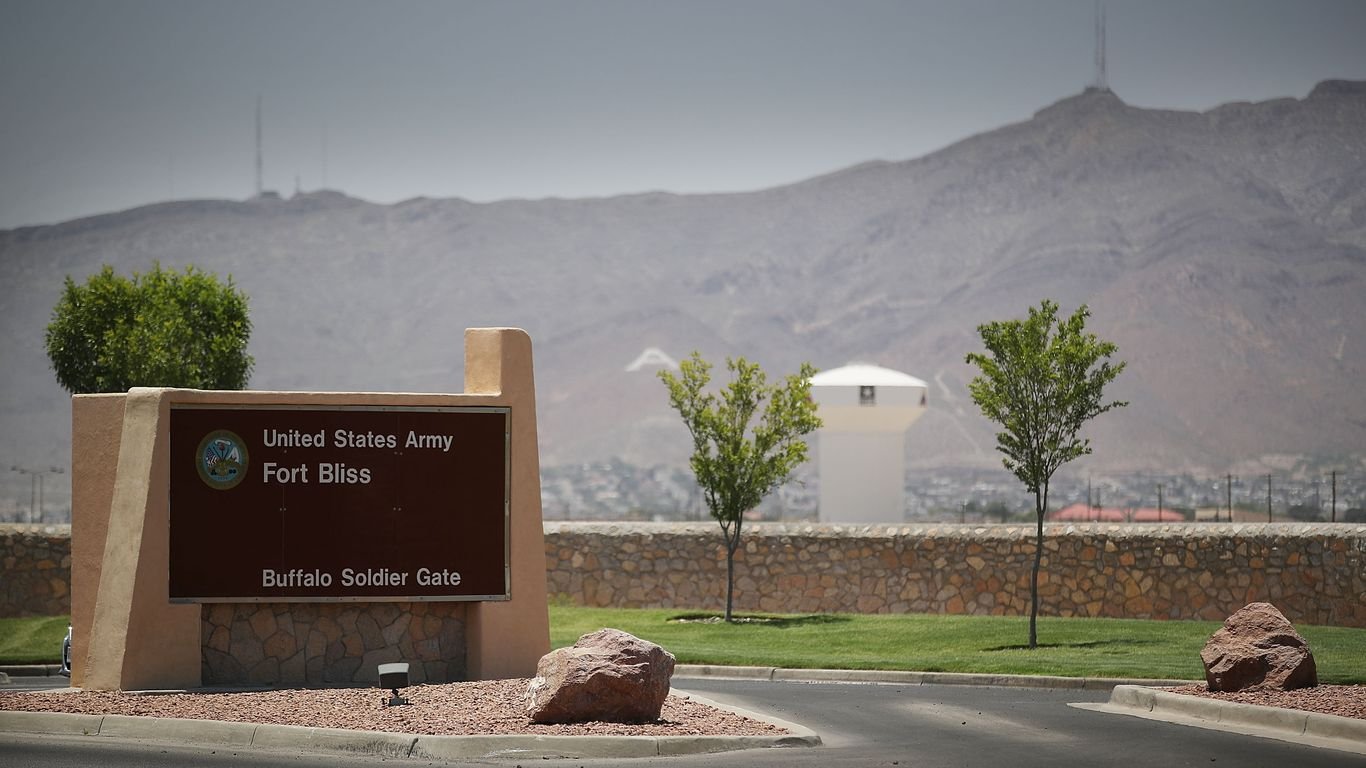
The airspace closure began around 10:30 AM local time when radar systems at Fort Bliss detected an unauthorized drone operating within restricted airspace. Military officials immediately implemented standard security protocols, including grounding all flights in and out of El Paso International Airport and nearby military airfields.
What happened
The drone was first spotted by Fort Bliss air defense radar systems, which are designed to detect and track all aerial activity within a 50-mile radius of the base. According to military sources, the drone appeared to be operating at an altitude of approximately 3,000 feet and was moving erratically, making it difficult to determine its origin or purpose.
Military personnel attempted to establish radio contact with the drone operator but received no response. The base's counter-drone systems were activated, though officials declined to specify what measures were taken to neutralize the threat.
Border security implications
This incident highlights the increasing frequency of drone-related security concerns along the U.S.-Mexico border. In recent years, cartels have increasingly used drones for drug smuggling, surveillance, and other illicit activities. The rugged terrain and vast stretches of open border make it difficult for authorities to monitor all aerial activity effectively.
Fort Bliss, located in El Paso, Texas, sits directly on the U.S.-Mexico border and serves as a critical hub for military operations in the region. The base houses multiple units, including air defense artillery and missile defense systems, making it a high-value target for potential adversaries.
Technical challenges
Modern drones present unique challenges for military and law enforcement agencies. Unlike traditional aircraft, many consumer and commercial drones are small, difficult to detect on radar, and can be operated from significant distances using GPS waypoints. This makes them particularly problematic for border security.
Additionally, the proliferation of drone technology has made it easier for non-state actors to acquire and operate these systems. Many drones can be purchased for under $1,000 and modified for various purposes, including carrying payloads or conducting surveillance.
Response and investigation
Following the incident, the Federal Aviation Administration (FAA) worked with military officials to safely reopen the airspace. All commercial flights were temporarily diverted or delayed, causing minor disruptions to air travel in the region.
The Department of Homeland Security and Customs and Border Protection are leading the investigation into the drone's origin and operator. Officials are reviewing radar data, surveillance footage, and other intelligence to determine whether the incursion was accidental or intentional.
Historical context
This is not the first time drones have caused security concerns near military installations. In 2023, similar incidents occurred near military bases in Arizona and California, prompting increased investment in counter-drone technologies. The U.S. military has been developing and deploying various systems to detect, track, and neutralize unauthorized drones, including radio frequency jammers, laser weapons, and drone-catching nets.
What this means for the future
The El Paso incident serves as a reminder of the evolving security landscape and the need for continued investment in counter-drone technologies. As drone technology becomes more accessible and sophisticated, military and border security agencies will need to adapt their strategies and capabilities to address these emerging threats.
The incident also highlights the importance of coordination between military, federal, and local authorities in responding to security threats. The quick response and effective communication between Fort Bliss, the FAA, and other agencies helped minimize the impact of the airspace closure and ensure public safety.
As investigations continue, this event will likely influence policy discussions around drone regulation, border security, and military preparedness for emerging aerial threats. The challenge of securing airspace in an era of ubiquitous drone technology remains a significant concern for national security planners and border enforcement agencies alike.
Comments
Please log in or register to join the discussion