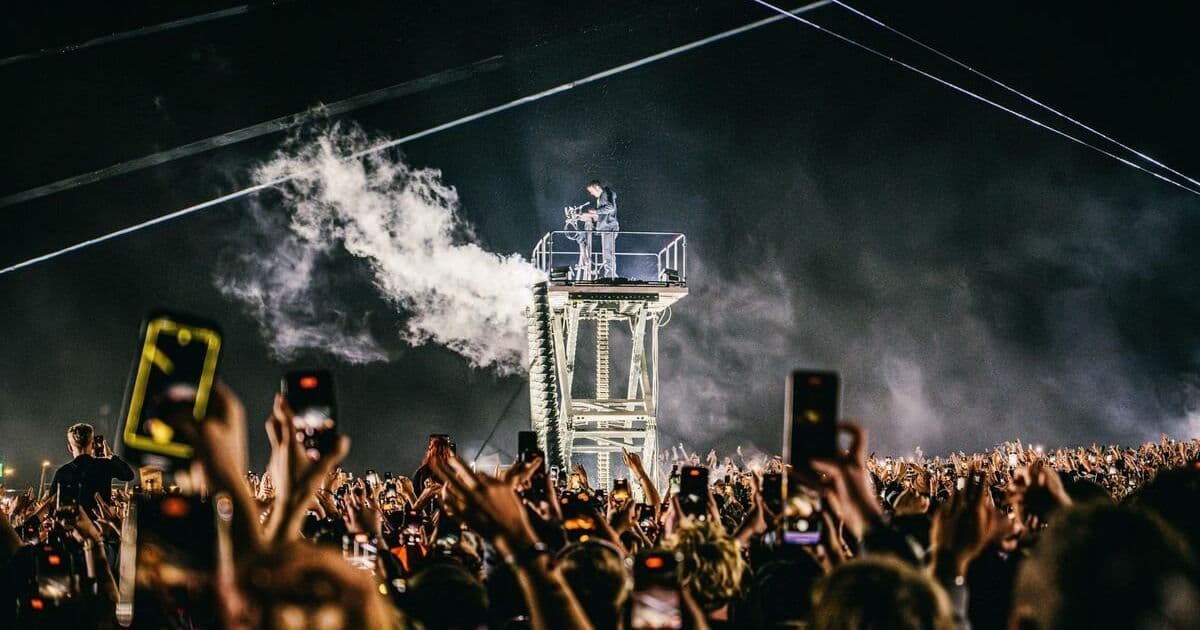
Electronic Dance Music (EDM) has evolved from underground club scenes to a global cultural force, reshaping nightlife and music consumption patterns across generations.
The electronic dance music landscape has undergone a seismic transformation over the past decade, evolving from niche underground scenes to a dominant force in global music culture. What was once confined to warehouse parties and underground clubs has now become a mainstream phenomenon, with EDM festivals drawing hundreds of thousands of attendees and streaming platforms dedicating entire channels to the genre.
The Evolution of Club Culture
The traditional club experience has been fundamentally altered by EDM's rise. Where once clubs featured a mix of genres and local DJs, many venues now center their entire business model around electronic music. This shift has created both opportunities and challenges for the nightlife industry.
Large-scale festivals like Tomorrowland, Ultra Music Festival, and Electric Daisy Carnival have become cultural touchstones, offering immersive experiences that go far beyond traditional club nights. These events feature elaborate stage designs, cutting-edge visual effects, and artist lineups that would have been unimaginable in the genre's early days.
Technology's Role in the Boom
Digital production tools have democratized music creation, allowing bedroom producers to create professional-quality tracks. Software like Ableton Live, FL Studio, and various synthesizers have made music production more accessible than ever before. This technological accessibility has led to an explosion of new artists and subgenres within the EDM umbrella.
Streaming platforms have also played a crucial role in EDM's growth. Services like Spotify and Apple Music have created dedicated electronic music playlists and channels, making it easier for fans to discover new artists and tracks. The algorithmic nature of these platforms has helped underground producers find audiences they might never have reached through traditional channels.
The Generational Divide
While EDM has found massive success with younger audiences, it has also created a generational divide in club culture. Older club-goers who remember the pre-EDM era often lament the loss of genre diversity in many venues. Meanwhile, younger fans have embraced the high-energy, spectacle-driven nature of modern electronic music events.
This divide extends to the music itself. Traditional house and techno purists often criticize the more commercial aspects of modern EDM, while newer fans are drawn to the genre's accessibility and festival culture.
Economic Impact
The economic footprint of EDM cannot be overstated. The genre has created entire industries around festival production, merchandise, and artist management. Major brands have also recognized the marketing potential of EDM culture, leading to partnerships and sponsorships that would have been unthinkable in the genre's underground days.
However, this commercialization has also led to concerns about authenticity and the potential loss of the community-driven spirit that characterized early electronic music scenes.
The Future of Electronic Music
As EDM continues to evolve, questions remain about its long-term cultural impact. Will the genre maintain its current popularity, or will it fragment into smaller, more specialized scenes? How will emerging technologies like virtual reality and blockchain affect the way electronic music is created and consumed?
What's clear is that electronic dance music has permanently altered the cultural landscape. Whether experienced in massive festival settings or intimate club environments, EDM has created a new paradigm for how people connect through music.
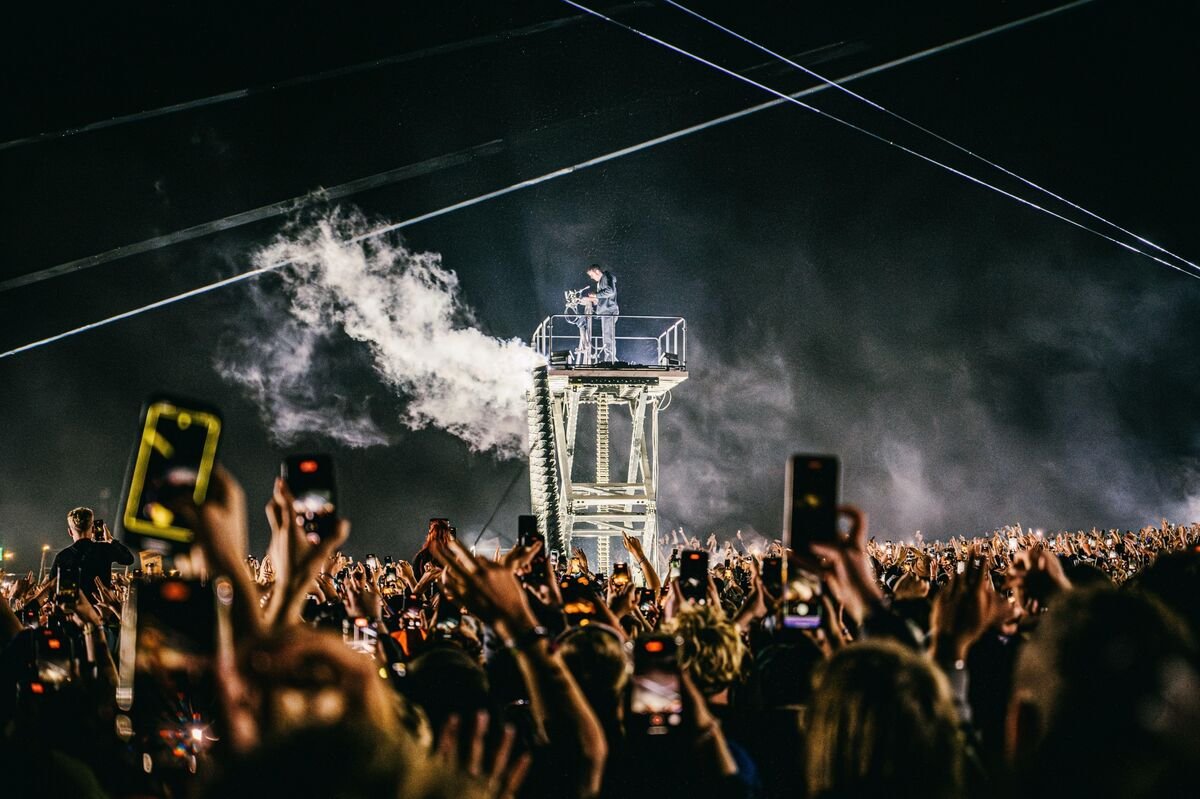
The transformation of club culture through electronic dance music represents more than just a change in musical taste—it's a fundamental shift in how we experience communal entertainment in the digital age.
Comments
Please log in or register to join the discussion