
Potential revival of nuclear negotiations between the U.S. and Iran carries significant implications for oil markets, sanctions compliance, and cybersecurity preparedness across global industries.
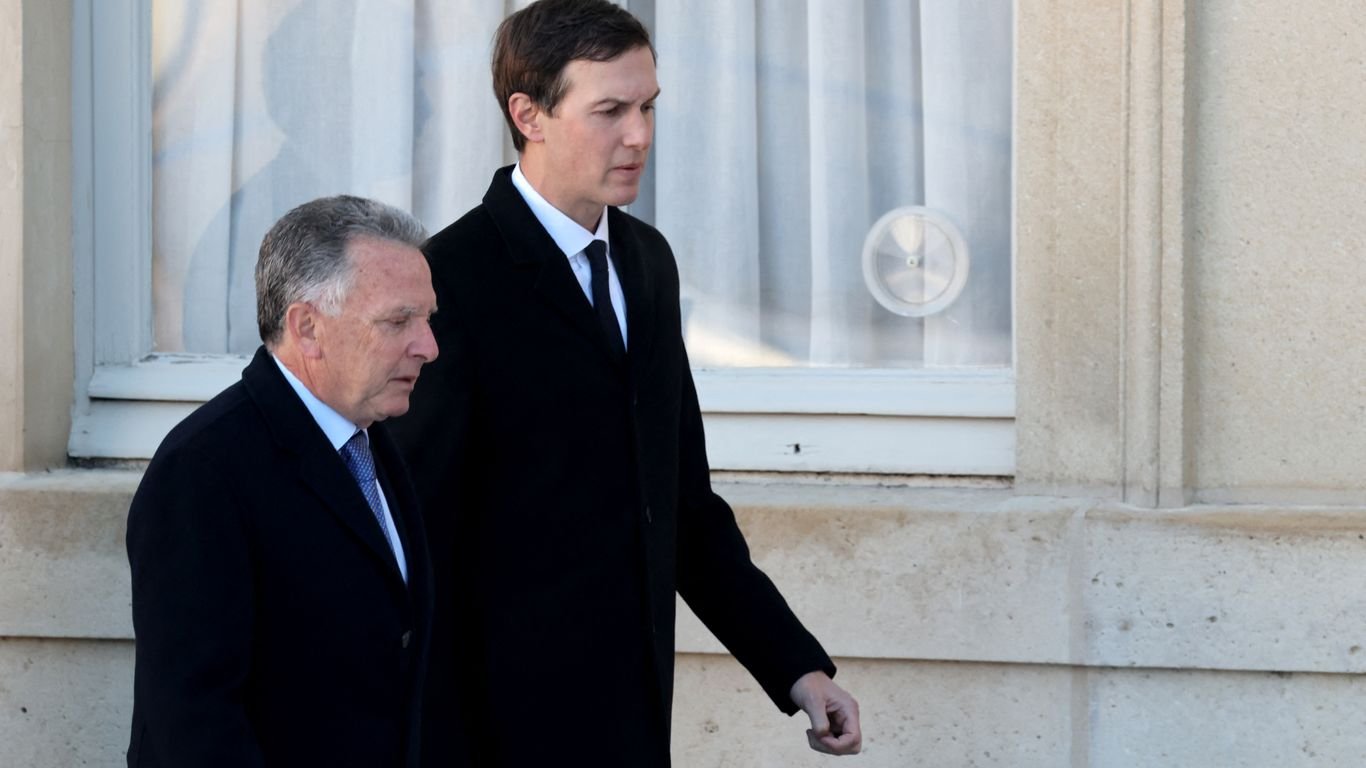
Diplomatic sources indicate U.S.-Iran nuclear talks could commence as early as Friday pending Tehran's submission of a formal proposal. This development arrives amid tightening global oil supplies and escalating cyber threats from state-sponsored actors, positioning the outcome as a pivotal factor for international energy markets and corporate security protocols.
Market Impact Analysis
Iran holds the world's fourth-largest oil reserves with production capacity currently constrained to 2.5 million barrels per day under sanctions—down 40% from pre-2018 levels according to EIA data. A sanctions relief scenario could inject 1.5 million daily barrels into global markets within six months, potentially reducing Brent crude prices by $10-15/barrel. Energy sector equities already reflect this volatility, with shale producers experiencing 5-7% valuation swings on negotiation updates since January.
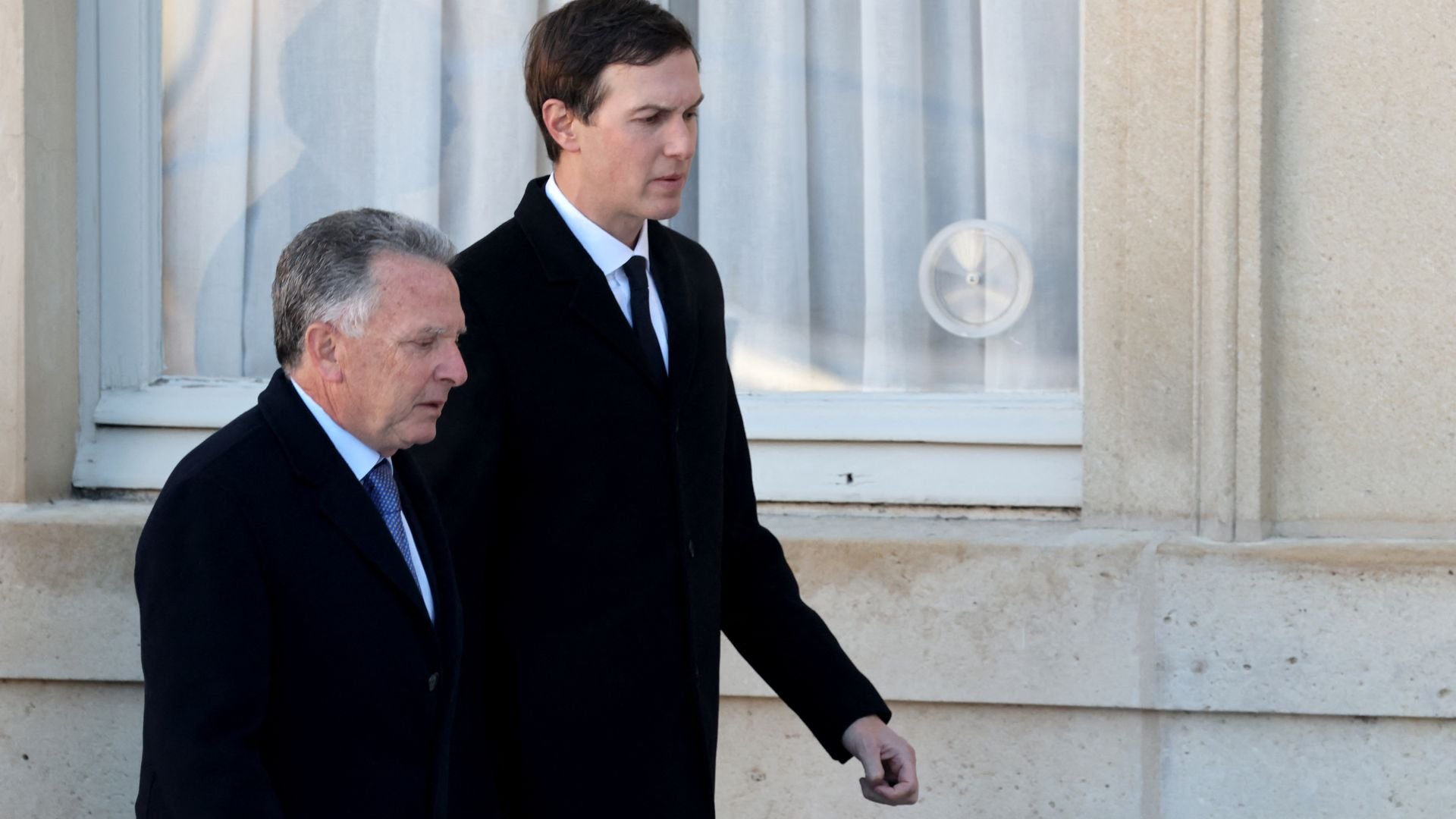 Witkoff and Kushner attend diplomatic meetings in Paris (Photo: Tom Nicholson/Getty Images)
Technology and Compliance Implications
Sanctions removal would immediately reactivate $30 billion in frozen Iranian assets while enabling technology transfers currently restricted under U.S. Department of Commerce regulations. Cloud service providers and semiconductor manufacturers face complex compliance decisions, particularly regarding:
- Export controls on dual-use technologies
- Payment processing infrastructure for reactivated trade channels
- Cybersecurity protocols for industrial control systems
Microsoft's Digital Defense Report 2023 documented a 250% year-over-year increase in Iranian phishing attacks targeting energy sector entities, suggesting corporations should anticipate heightened cyber reconnaissance activities during negotiation periods.
Strategic Calculations
The Biden administration seeks measurable concessions including:
- Capping uranium enrichment at 3.67% purity
- Real-time IAEA monitoring at nuclear facilities
- Cessation of ballistic missile development
In exchange, Iran demands guaranteed sanctions relief exceeding the original JCPOA terms. Failure to reach agreement maintains upward pressure on energy prices while extending compliance burdens for multinationals. Successful negotiation could redirect Iranian oil revenues toward domestic infrastructure, creating opportunities for European engineering firms and Asian energy traders.
Financial institutions are modeling contingency plans: Goldman Sachs estimates a $100 billion market cap transfer between energy subsectors based on negotiation outcomes, while Lloyd's of London reports 35% premium increases for Persian Gulf maritime insurance this quarter. As diplomatic channels activate in Paris, market participants await Tehran's proposal to gauge near-term strategic positioning.
Comments
Please log in or register to join the discussion