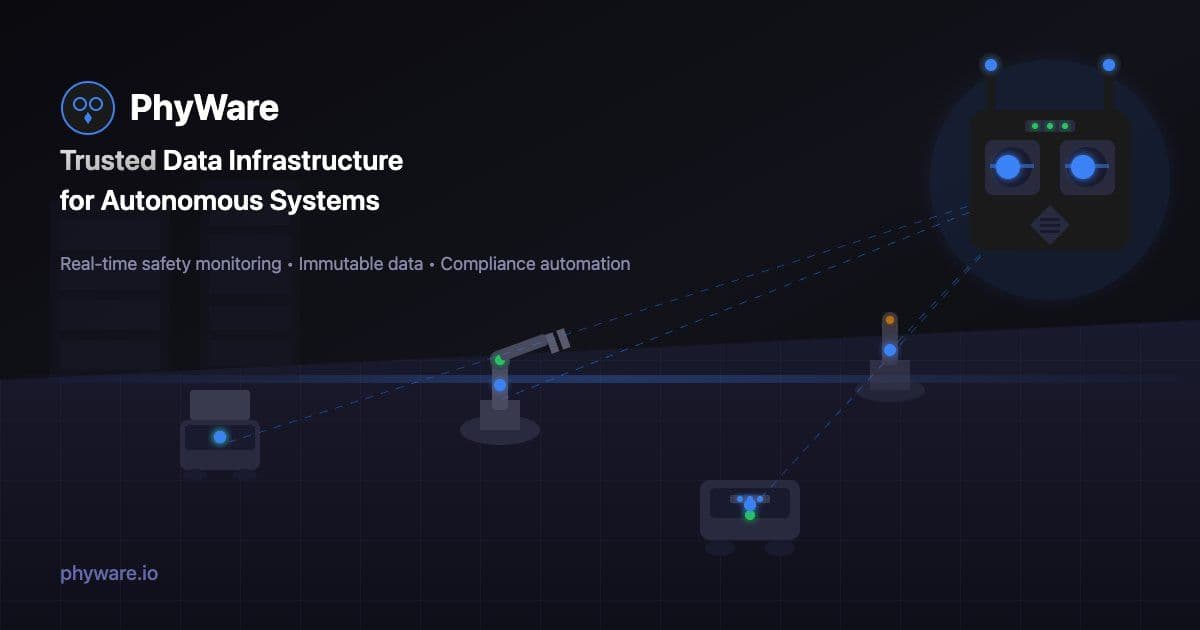
New York State's decision to shelve commercial robotaxi expansion highlights a critical challenge beyond technology: the inability to independently verify safety data. As regulators face a trust deficit, PhyWare proposes tamper-proof operational records as a solution.
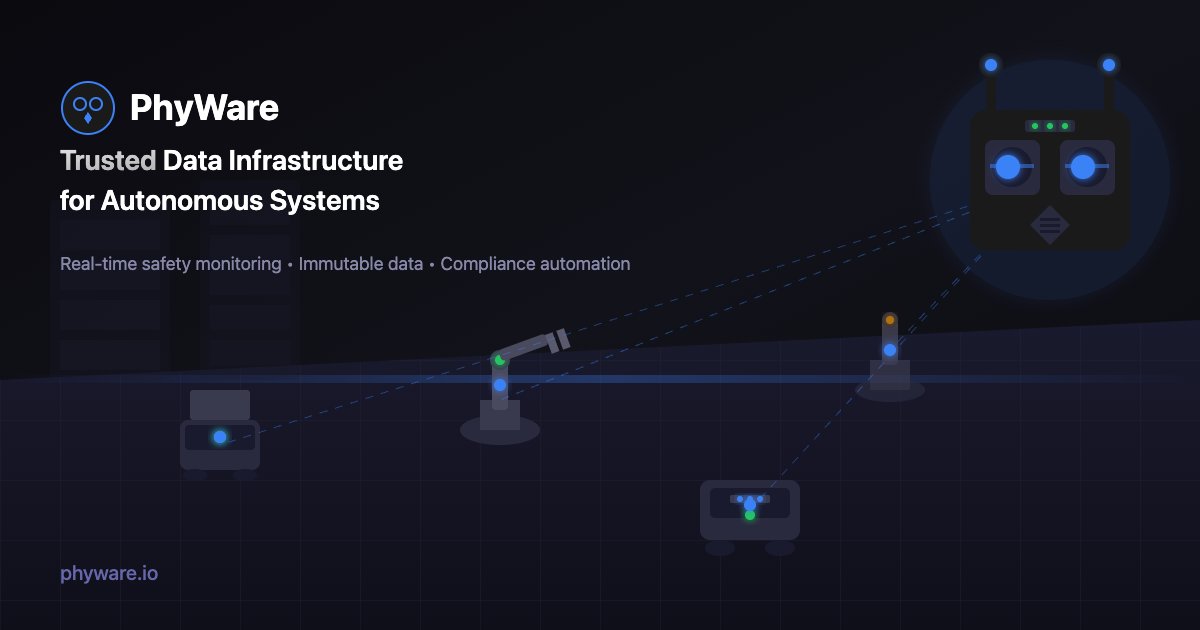
Governor Kathy Hochul's withdrawal of New York's robotaxi legislation marks more than a policy reversal—it reveals a fundamental disconnect between autonomous vehicle operators and public trust. Despite Waymo successfully completing over 400,000 weekly rides across six U.S. cities, lawmakers rejected the proposal requiring $1 million application fees and $5 million financial security bonds. The stumbling block wasn't technological capability, but rather the absence of mechanisms for independent safety verification.
The Transparency Chasm
Current regulations focus on financial and bureaucratic hurdles while overlooking core operational questions: How do these vehicles make decisions? What near-miss incidents occur? What environmental factors trigger system limitations? Autonomous companies retain exclusive control over this data, storing proprietary sensor readings and AI decision logs internally. Regulators face a 'trust us' paradigm where safety claims remain unverifiable.
This transparency gap extends beyond robotaxis. Warehouse logistics robots, hospital delivery droids, and campus security bots all operate with similar opacity. When autonomous systems share physical spaces with humans, the inability to audit real-time operations creates legitimate safety concerns.
Building Verifiable Truth
PhyWare addresses this core challenge through a dual-component architecture:
- PhyTrace: Lightweight telemetry agents capture comprehensive operational data streams—sensor inputs, navigation decisions, battery states, and collision-avoidance triggers—directly from robotic systems.
- PhyCloud: Immutable storage creates cryptographic proof of data provenance. Each record becomes tamper-evident, preventing post-event alteration by operators or platform providers.
Together, these systems generate verifiable audit trails comparable to aviation's black boxes. Regulators could review cryptographically signed records of specific incidents rather than relying on corporate summaries.
Rethinking Regulatory Frameworks
Had New York legislators possessed access to independently verified operational data, debates might have shifted from philosophical objections to evidence-based evaluation. Authorities could examine:
- Actual intervention rates during edge cases
- Geographic-specific performance patterns
- Comparative safety metrics against human drivers
This approach transforms blanket approvals into conditional authorizations based on demonstrated safety records. Phoenix's dry climate or San Francisco's hills present different challenges than Buffalo's snow—granular data enables context-specific regulation.
The Path Forward
As autonomous systems proliferate in warehouses, factories, and public spaces, verifiable operational records become critical infrastructure. PhyWare's model offers regulators something beyond promises: forensic evidence. For developers and operators, it provides defensible proof of safety compliance.
The New York decision signals that technological maturity alone won't guarantee public acceptance. Until autonomous systems can prove their safety claims through independently verifiable data, regulatory doors will remain cautiously shut.
PhyWare is currently onboarding partners for early access. Operators and regulators interested in verifiable autonomy data can contact [email protected] or visit phyware.io.
Comments
Please log in or register to join the discussion