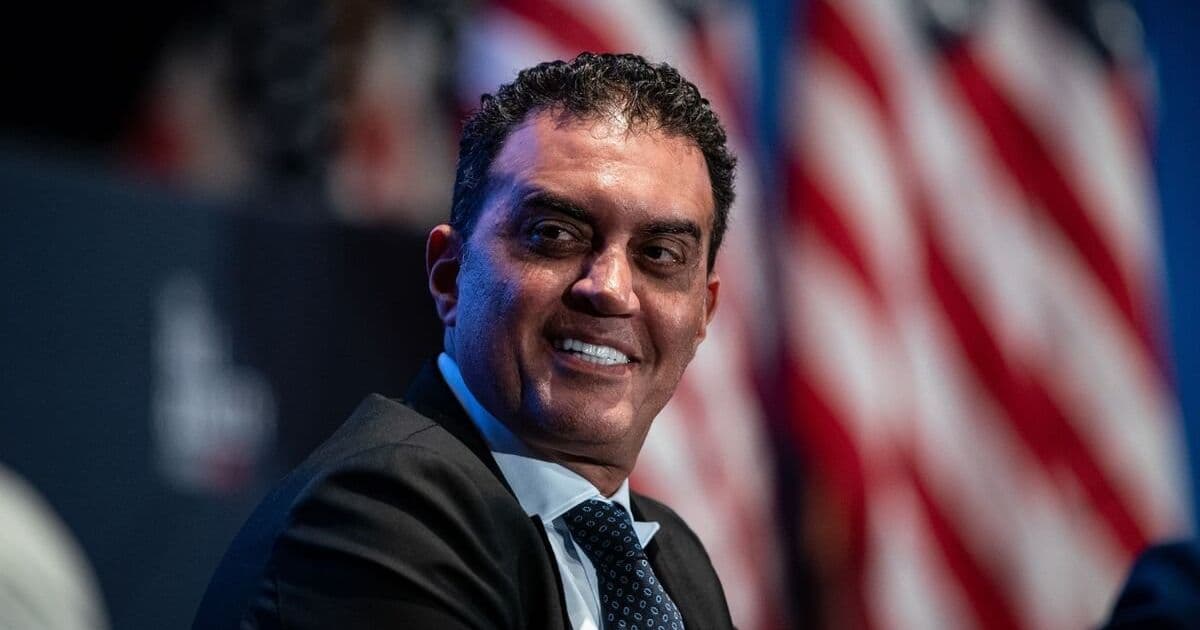
Emil Michael, Uber's former aggressive dealmaker, takes a leading role in the Pentagon's dispute with Anthropic over AI military applications, highlighting the growing intersection of tech and defense.
Emil Michael, the former Uber executive known for his aggressive deal-making tactics during the ride-hailing company's rapid expansion, has emerged as a key figure in the Pentagon's escalating dispute with Anthropic over the use of artificial intelligence in military applications. This development marks a significant shift in Michael's career trajectory, from Silicon Valley's cutthroat corporate battles to the high-stakes arena of national security and AI ethics.
The controversy centers on the Pentagon's efforts to secure access to advanced AI models for military use, a move that has sparked intense debate within the tech industry about the ethical implications of AI in warfare. Anthropic, a leading AI research company known for its cautious approach to AI safety, has reportedly resisted pressure from the Department of Defense to provide its models for military applications, citing concerns about the potential misuse of the technology.
Michael's involvement in this dispute is particularly noteworthy given his background. During his tenure at Uber, he was instrumental in orchestrating a series of high-profile acquisitions and partnerships that helped the company dominate the ride-sharing market. His aggressive tactics and willingness to push ethical boundaries earned him both admirers and critics within the tech industry.
Now, Michael appears to be applying his deal-making skills to a new arena, one where the stakes are arguably even higher. The Pentagon's dispute with Anthropic represents a clash between two powerful forces: the military's desire to maintain technological superiority and the tech industry's growing emphasis on ethical AI development.
The situation highlights the complex challenges facing the AI industry as it grapples with the dual-use nature of its technology. On one hand, AI has the potential to revolutionize military operations, offering capabilities ranging from enhanced intelligence analysis to autonomous weapons systems. On the other hand, many in the tech community worry about the risks of AI being used for harmful purposes, including the potential for autonomous weapons to make life-or-death decisions without human oversight.
Michael's role in this dispute suggests that the Pentagon is taking a more aggressive approach to securing AI capabilities, potentially mirroring the tactics he employed at Uber. This could involve leveraging government contracts, regulatory pressure, or other means to compel companies like Anthropic to cooperate with military initiatives.
The controversy also raises questions about the future of AI development and its relationship with national security. As AI becomes increasingly powerful and pervasive, the tension between commercial interests, ethical considerations, and military applications is likely to intensify. Companies like Anthropic, which have built their reputations on responsible AI development, may find themselves caught between their principles and the immense pressure from government agencies.
This situation is further complicated by the broader geopolitical context. The race for AI supremacy has become a key battleground in the ongoing competition between the United States and China, with both nations investing heavily in AI research and development. The Pentagon's efforts to secure advanced AI capabilities can be seen as part of this larger strategic competition.
Michael's involvement in this dispute also highlights the revolving door between the tech industry and government, particularly in areas related to national security. His transition from Uber to a role in the Pentagon's AI initiatives underscores the growing importance of private sector expertise in shaping government technology policy and strategy.
The outcome of this dispute could have far-reaching implications for the AI industry. If the Pentagon succeeds in compelling companies like Anthropic to provide their models for military use, it could set a precedent that fundamentally alters the relationship between the tech industry and the defense sector. Conversely, if Anthropic and other companies successfully resist these pressures, it could reinforce the industry's ability to set ethical boundaries on the use of its technology.
As this situation unfolds, it will be crucial to watch how other major AI companies respond. Will they follow Anthropic's lead in resisting military applications, or will they seek to capitalize on the lucrative government contracts that are likely to be on offer? The decisions made by these companies could shape the future of AI development and its role in society for years to come.
Ultimately, the dispute between the Pentagon and Anthropic, with Emil Michael playing a key role, represents a critical juncture in the evolution of AI technology. It forces us to confront difficult questions about the balance between technological progress, ethical considerations, and national security interests. As AI continues to advance at a rapid pace, finding the right equilibrium between these competing priorities will be one of the defining challenges of our time.
The involvement of figures like Michael, who have experience navigating the complex intersections of technology, business, and ethics, may prove crucial in shaping the outcome of this dispute. Their ability to bridge the gap between the tech industry's innovative spirit and the government's strategic imperatives could determine whether AI becomes a force for good or a source of new ethical dilemmas in the years to come.
As the debate over AI in military applications continues to unfold, it's clear that the decisions made in the coming months and years will have profound implications for the future of technology, warfare, and society as a whole. The outcome of this dispute may well set the tone for how we approach the development and deployment of AI in sensitive and high-stakes contexts for decades to come.
Comments
Please log in or register to join the discussion