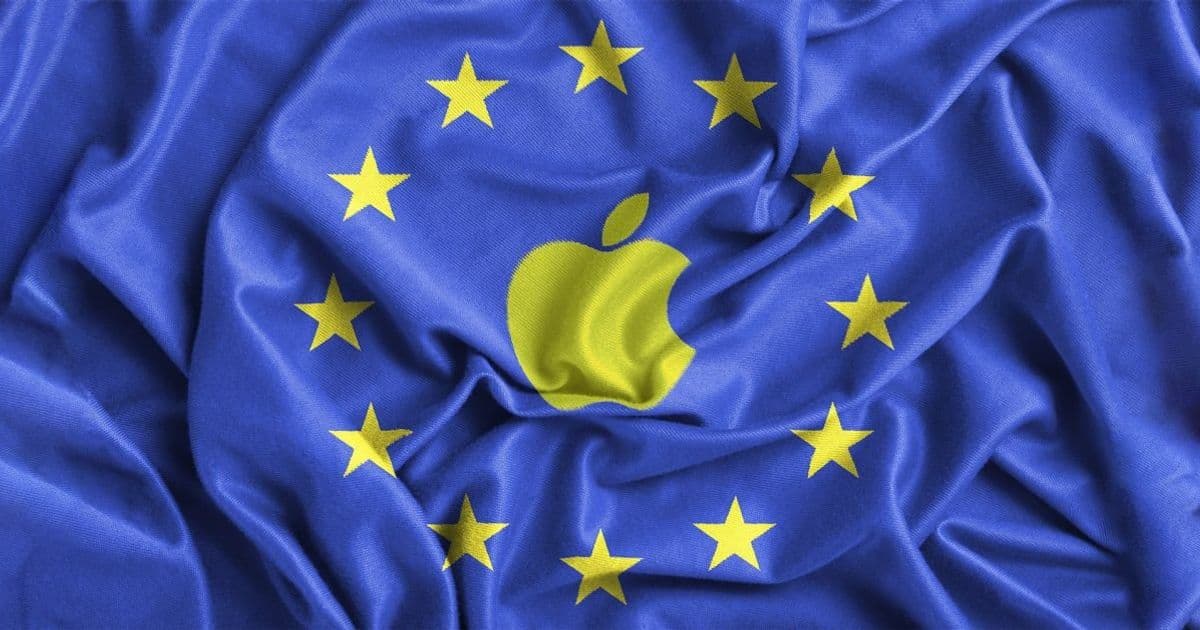
Europe's commercial broadcasters are lobbying the EU to classify smart TVs and virtual assistants like Apple TV and Siri as gatekeepers under the Digital Markets Act, citing growing market power and concerns about content distribution control.
A coalition of Europe's largest commercial broadcasters is urging the European Commission to expand the Digital Markets Act's (DMA) scope to include smart TVs and virtual assistants, arguing these technologies have become powerful gatekeepers that shape how millions of users access content.
Broadcasters Target Tech Giants' Smart TV Ecosystems
The Association of Commercial Television and Video on Demand Services in Europe (ACT) has formally requested that the EU's antitrust chief Teresa Ribera designate major smart TV platforms as gatekeepers under the DMA. The group represents industry heavyweights including Canal+, RTL, Mediaset, ITV, Paramount+, NBCUniversal, Walt Disney, Warner Bros. Discovery, Sky, and TF1 Groupe.
ACT's letter specifically calls for Google, Amazon, Apple, and Samsung's smart TV platforms to fall under the EU's toughest tech regulations. The broadcasters argue that these companies have gained "growing ability to shape outcomes for millions of users and businesses by controlling access to audiences and content distribution."
Virtual Assistants Join the Regulatory Spotlight
The lobbying effort extends beyond smart TVs to include virtual assistants, with ACT highlighting concerns about Amazon's Alexa, Apple's Siri, and OpenAI's ChatGPT Tasks feature. According to the broadcasters, virtual assistants have created "a regulatory void" by becoming "de facto gatekeepers for media content" through mobile phones, smart speakers, and in-car infotainment systems without being subject to DMA obligations.
The timing is notable as OpenAI entered the virtual assistant space last year with its Tasks feature for ChatGPT, adding another major player to the ecosystem that broadcasters want regulated.
Industry-Wide Support for Expanded DMA Coverage
ACT's position is backed by several other European media organizations, including the Association of European Radios (AER), the European Broadcasting Union (EBU), the European association of television and radio sales houses (egta), Confindustria Radio Televisioni (CRTV), Televisión Comercial en Abierto (UTECA), and Verband Österreichischer Privatsender (VOP).
These groups collectively argue that a "limited number of operators" now control critical pathways to audiences, creating potential conflicts of interest when these platforms also compete with traditional broadcasters for viewership.
Parallels to Ongoing App Store Disputes
The broadcasters' concerns echo arguments frequently made about Apple's App Store, which already falls under DMA regulations. ACT warns that tech companies "may have incentives to retain end-users within their own ecosystem and to contractually or technically restrict linking or redirection."
This mirrors the ongoing disputes between Apple and the EU over App Store rules, where the two parties have been engaged in lengthy negotiations about compliance requirements for nearly a year.
Apple's Recent Regulatory Wins in Europe
The push for expanded DMA coverage comes as Apple recently secured a rare victory in European regulatory proceedings. The company successfully argued that Apple Maps and its advertising services should not be designated as gatekeepers due to their "low usage and limited market impact in Europe."
This outcome demonstrates the high bar for gatekeeper designation under current DMA frameworks and suggests that ACT faces an uphill battle in convincing regulators to expand the law's scope to new categories of technology.
Implications for Cross-Platform Development
If successful, the broadcasters' lobbying efforts could significantly impact how developers approach smart TV and virtual assistant applications. Under DMA regulations, gatekeepers must allow third-party app stores, enable app sideloading, and provide fair access to their platforms' features and data.
For developers building cross-platform applications, this could mean more standardized development requirements across smart TV ecosystems and virtual assistant platforms. However, it could also introduce additional compliance overhead and potentially limit certain platform-specific optimizations that companies currently employ.
The Broader Context of Tech Regulation in Europe
The request highlights the ongoing tension between traditional media companies and big tech platforms in Europe. As streaming services and smart devices increasingly mediate how consumers access entertainment content, traditional broadcasters are seeking regulatory frameworks that preserve their ability to compete on equal footing.
The outcome of this lobbying effort could set important precedents for how emerging technologies are classified under existing regulatory frameworks, potentially influencing similar debates in other regions about the appropriate scope of digital platform regulation.
The European Commission has not yet indicated how it will respond to ACT's request, but the issue underscores the evolving nature of digital gatekeeper power and the challenges regulators face in keeping pace with technological change.
Comments
Please log in or register to join the discussion