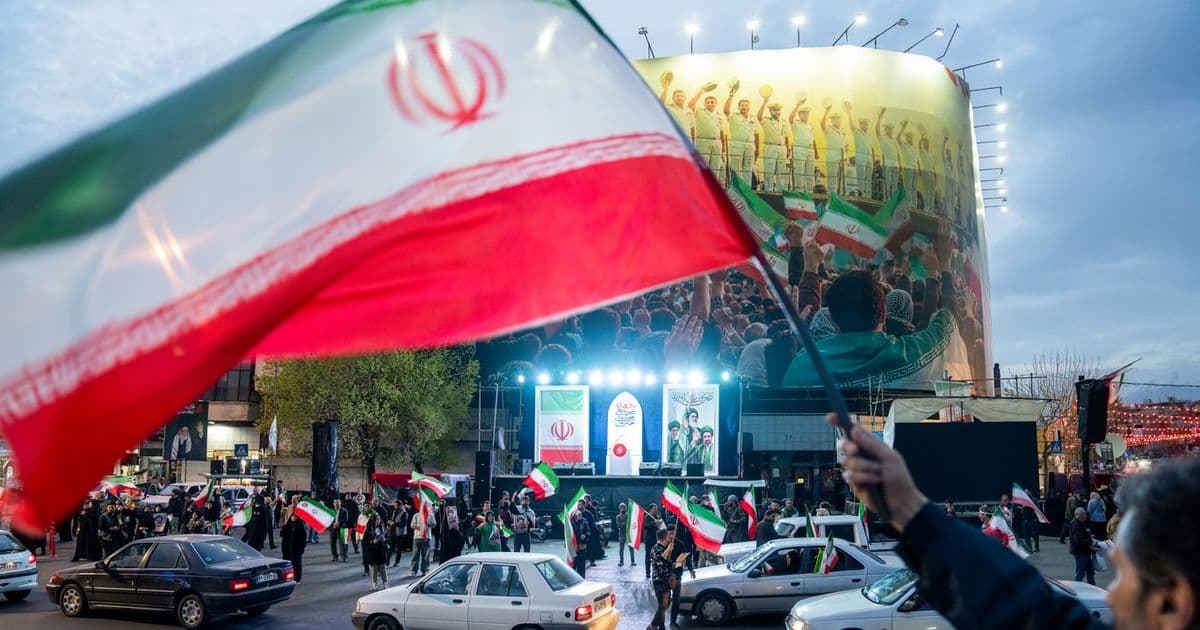
As Trump teases a US-Iran peace deal, understanding Iran's power structure becomes crucial. Here's who holds the reins in Tehran's complex political system.
As former President Donald Trump teases the possibility of a US-Iran peace deal, understanding the key figures in Iran's leadership becomes crucial for anyone following these potential negotiations. Iran's political system operates through a complex web of power centers, with authority distributed among religious, military, and civilian institutions.
At the apex of Iran's power structure stands Supreme Leader Ayatollah Ali Khamenei, who has held the position since 1989. At 85 years old, Khamenei remains the ultimate authority on all matters of state, including foreign policy, the nuclear program, and military decisions. His office controls vast economic interests through organizations like the Execution of Imam Khomeini's Order (EIKO) and exerts influence through the theocratic establishment.
The Executive Branch
President Masoud Pezeshkian, elected in 2025, leads the executive branch but operates within the constraints of the Supreme Leader's authority. A reformist who campaigned on improving relations with the West, Pezeshkian faces significant limitations in shaping foreign policy, which remains firmly under Khamenei's control. His administration includes pragmatic figures who might be more amenable to negotiations than previous hardline governments.
The Revolutionary Guards
Perhaps the most powerful non-clerical institution is the Islamic Revolutionary Guard Corps (IRGC), led by Major General Hossein Salami. The IRGC controls Iran's ballistic missile program, regional proxy forces, and significant portions of the economy. Its Quds Force, now under the leadership of Brigadier General Esmail Qaani (who succeeded the assassinated Qasem Soleimani), manages Iran's network of regional allies and proxy forces from Lebanon to Yemen.
The Diplomatic Corps
Foreign Minister Abbas Araghchi represents Iran in international forums and would likely be a key figure in any peace negotiations. A veteran diplomat who has served in various capacities since the 1990s, Araghchi has experience with the 2015 nuclear deal and maintains relationships with Western counterparts. His deputy for political affairs, Ali Bagheri Kani, leads nuclear negotiations and would be central to any discussions about Iran's nuclear program.
The Speaker of Parliament, Mohammad Bagher Ghalibaf, a former IRGC commander and Tehran mayor, leads the conservative majority in the 290-seat Majlis. While parliament has limited power over foreign policy, Ghalibaf's support or opposition could influence the political climate for any potential deal.
The Assembly of Experts
This clerical body, headed by Ayatollah Mohammad-Taqi Mesbah-Yazdi, is responsible for appointing the Supreme Leader and monitoring his performance. Its 88 members, elected by popular vote but dominated by conservatives, represent another power center that could influence Iran's approach to negotiations.
The Expediency Council
Chaired by Mohsen Rezaee, a former IRGC commander, this body mediates between the parliament and the Guardian Council and advises the Supreme Leader. It often weighs in on major policy decisions, including those related to international relations.
Living Leaders and Missing Figures
Most of Iran's top leadership remains active. Former presidents like Hassan Rouhani and Mahmoud Ahmadinejad maintain influence through their political networks. Former Speaker Ali Larijani, though currently under sanction, remains a respected figure in conservative circles.
However, several key figures have passed away in recent years, including former President Akbar Hashemi Rafsanjani in 2017 and former Foreign Minister Ali Akbar Velayati, who stepped back from active politics. The 2020 assassination of Qasem Soleimani created a significant leadership transition in Iran's regional strategy.
The Negotiation Context
Any US-Iran negotiations would involve multiple power centers beyond just the named leaders. The Supreme National Security Council, headed by Rear Admiral Ali Shamkhani, coordinates national security policy and would be central to any peace talks. The Guardian Council, which vets candidates for elected office, maintains the ideological purity of the system.
Iran's negotiating position would likely be shaped by economic pressures from sanctions, regional security concerns, and the nuclear program's status. The country faces domestic challenges including inflation, unemployment, and water scarcity that could influence its willingness to engage diplomatically.
As Trump teases a peace deal, the question isn't just which Iranian leaders are alive, but which ones hold real power and how they might respond to American overtures. The complex interplay between elected officials, appointed clerics, military commanders, and economic stakeholders means that any potential agreement would require navigating multiple constituencies, each with their own interests and red lines.
The coming weeks may reveal whether Iran's leadership sees enough benefit in renewed negotiations to overcome the deep mistrust and conflicting interests that have characterized US-Iran relations for decades. Understanding who holds power in Tehran is the first step in assessing the viability of any potential peace deal.
Comments
Please log in or register to join the discussion