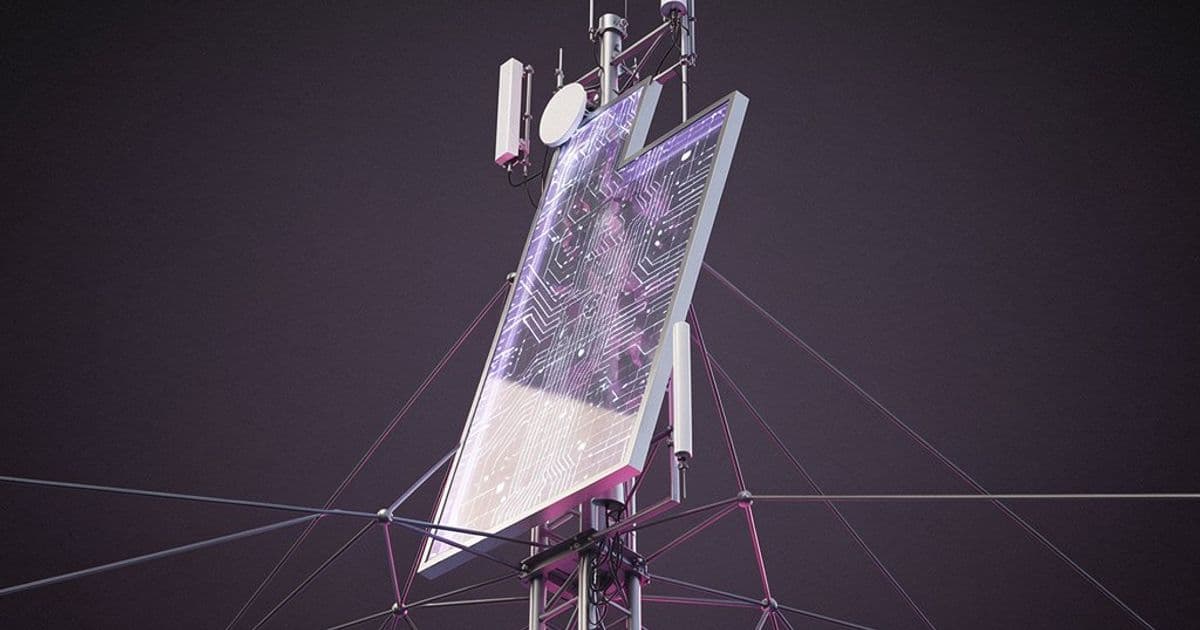
A new EU cybersecurity proposal, expected to be presented on January 20, is set to phase out vendors like Huawei and ZTE from the bloc's critical infrastructure, including telecom networks and solar energy systems, according to sources cited by the Financial Times.
The European Union is preparing a significant shift in its cybersecurity policy that could fundamentally alter the landscape for foreign technology vendors in critical sectors. According to sources speaking with the Financial Times, a new Cybersecurity Act proposal scheduled for presentation on January 20 is expected to mandate the phase-out of vendors such as Huawei and ZTE from the bloc's critical infrastructure.
What's Actually Being Proposed
The proposal appears to be a strategic move to address long-standing security concerns about equipment from Chinese manufacturers in sensitive networks. While the EU has previously issued warnings and allowed member states to implement their own restrictions, this would represent a more unified, bloc-wide approach. The scope reportedly includes not just telecommunications networks—the traditional focus of such debates—but also extends to solar energy systems, reflecting a broader understanding of critical infrastructure vulnerabilities.
The Financial Times report doesn't specify the exact timeline or mechanism for this phase-out, but such measures typically involve requiring existing operators to replace equipment during network upgrades or through mandated replacement schedules. This approach mirrors actions taken by the United States, the United Kingdom, and other allies who have already moved to exclude Huawei from their 5G networks.
The Technical and Security Context
From a technical perspective, the concern centers on the potential for backdoors or vulnerabilities in equipment that could be exploited by foreign governments. Huawei has consistently denied these allegations, arguing that no evidence has been provided to substantiate claims of intentional security flaws. However, the company's corporate structure and its obligations under China's National Intelligence Law—which requires organizations to assist with state intelligence work—have fueled ongoing skepticism among Western security agencies.
The inclusion of solar energy systems in the proposed restrictions is particularly noteworthy. Modern solar installations increasingly rely on sophisticated inverters, monitoring systems, and grid integration software that could potentially provide access points to energy infrastructure. As renewable energy becomes more central to European power grids, securing these components becomes a matter of national security and grid stability.
Implementation Challenges
Implementing such a phase-out presents significant practical challenges. Many European telecom operators have already invested heavily in Huawei equipment for their 4G and 5G networks. Replacing this infrastructure would involve substantial costs—potentially billions of euros across the continent—and could delay the rollout of next-generation networks. Operators would need to source alternative equipment from vendors like Ericsson, Nokia, or Samsung, potentially facing supply chain constraints and increased costs.
For the solar industry, the situation is more complex. Huawei is a major player in the solar inverter market, with its products widely used in commercial and utility-scale installations across Europe. Finding equivalent alternatives that meet performance, cost, and reliability requirements could prove challenging, especially for existing installations that would need retrofits.
Geopolitical Implications
This move would further deepen the technological decoupling between Europe and China, following similar actions in the United States and other allied nations. It represents a continuation of the "de-risking" strategy that European leaders have emphasized—reducing dependence on potentially unreliable partners for critical technologies while maintaining broader economic ties where possible.
The timing is also significant, coming as the EU prepares for its next budget cycle and as member states grapple with the economic implications of the U.S.-China tech rivalry. Some European countries, particularly those with strong economic ties to China, may resist a blanket ban, potentially leading to a fragmented implementation across the bloc.
What Comes Next
The proposal is expected to be formally presented on January 20, after which it will likely undergo a period of consultation and negotiation among EU member states and the European Parliament. The final form of the legislation could differ from the initial proposal, with potential exemptions, extended timelines, or more nuanced approaches to different types of infrastructure.
For technology vendors, this development underscores the growing importance of geopolitical considerations in business strategy. Companies operating in the technology sector will need to navigate an increasingly complex landscape where security concerns, trade policies, and national interests intersect.
The proposal also highlights the EU's evolving approach to digital sovereignty and cybersecurity. Rather than relying solely on market forces or bilateral agreements, the bloc appears to be moving toward more prescriptive regulatory frameworks to ensure the security of its critical infrastructure.
As the January 20 presentation approaches, industry stakeholders, policymakers, and security experts will be watching closely to see the specific details of the proposal and how it might reshape the European technology landscape in the years ahead.
Comments
Please log in or register to join the discussion