
Elon Musk has escalated his legal battle against OpenAI and Microsoft, seeking between $79 billion and $134 billion in damages. The lawsuit, now set for a jury trial in April 2026, accuses OpenAI of defrauding investors and donors by abandoning its original nonprofit, open-source mission in favor of a closed, for-profit partnership with Microsoft.
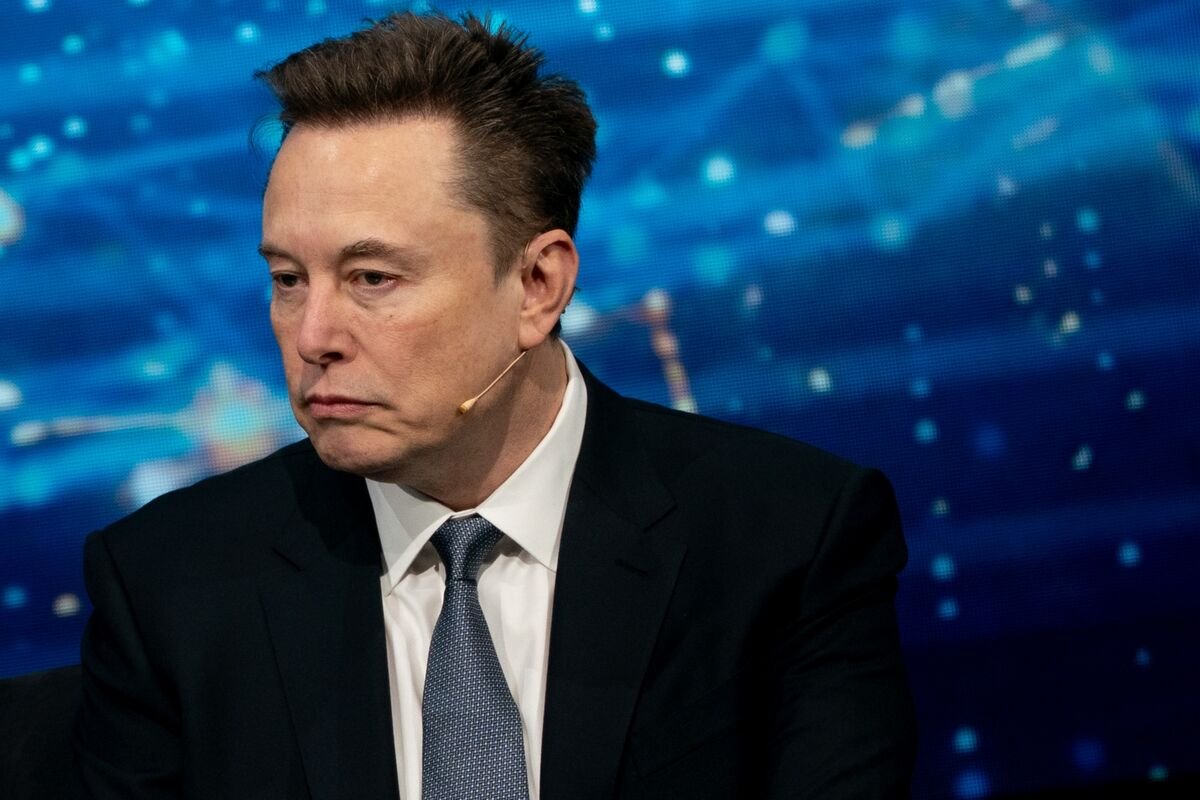
Elon Musk's lawsuit against OpenAI and Microsoft has taken a dramatic financial turn. According to a new court filing, Musk is seeking damages in the range of $79 billion to $134 billion. This staggering figure reflects the alleged harm caused by what Musk claims was a fraudulent pivot from OpenAI's founding principles.
The core of Musk's argument is that OpenAI, Inc. and its partner Microsoft should be held accountable for a bait-and-switch. Musk contends that he and other early donors contributed substantial funds based on the understanding that OpenAI would operate as a nonprofit dedicated to developing open-source artificial general intelligence (AGI) for the benefit of humanity. The lawsuit alleges that OpenAI's leadership, including CEO Sam Altman, later subverted this mission by converting the organization into a for-profit entity and entering into an exclusive, lucrative partnership with Microsoft.
This legal action builds on a lawsuit Musk first filed in early 2024. The new filing, which sets the stage for a jury trial scheduled for April 27, 2026, quantifies the financial scale of the alleged damages. The complaint argues that the financial value of the for-profit venture, now valued at hundreds of billions of dollars, was built upon the foundation of nonprofit promises and donations. Unsealed documents from the case also shed light on internal conflicts at OpenAI, revealing concerns from co-founder Ilya Sutskever about treating open-source development as a "side show." The lawsuit frames Microsoft's deep investment and integration with OpenAI as a direct result of this alleged breach of fiduciary duty.
The Strategic and Industry Implications
This lawsuit represents more than a personal dispute; it strikes at the heart of the AI industry's business model and governance. The outcome could set a significant precedent for how mission-driven tech organizations are allowed to evolve and monetize their work. If Musk's claims of fraud are successful, it could expose other well-funded AI research labs to similar legal challenges, particularly those that started with non-profit or open-source charters before seeking commercial scale.
For Microsoft, the lawsuit is a major liability. The company has invested billions into OpenAI and has deeply integrated its technology into the core of its product suite, from Azure to Office 365. A ruling that invalidates the partnership or imposes massive damages could disrupt Microsoft's entire AI strategy. The case also highlights the growing tension between the open and closed models of AI development, a debate that has been simmering since the early days of the current AI boom.
The financial figures cited by Musk are not arbitrary. They likely represent a calculation of the value generated by the for-profit OpenAI LP, which has seen its valuation soar, minus the value of the original nonprofit structure. This legal battle will force a court to place a dollar value on the concept of "mission," a difficult but critical calculation for the future of the tech industry.
A Broader Context of AI Legal and Ethical Battles
The Musk lawsuit is unfolding against a backdrop of intense scrutiny for the entire AI sector. In a separate but related development, unsealed documents from the same case reveal more of the internal dynamics at OpenAI, including Sutskever's role in the brief ousting of Altman, which was reportedly fueled by concerns over safety and the company's direction. This adds weight to the narrative that OpenAI's internal priorities shifted dramatically from its original goals.
Meanwhile, other AI companies are facing their own challenges. Anthropic, a direct competitor to OpenAI, recently appointed a former Microsoft India managing director to lead its expansion in a key market, signaling a more traditional corporate growth strategy. In another sign of the maturing and consolidating industry, sources report that ElevenLabs is seeking to raise new funding at an $11 billion valuation, just months after a previous round.
The regulatory environment is also tightening globally. In Europe, a new cybersecurity proposal is expected to phase out vendors like Huawei from critical infrastructure, reflecting broader geopolitical tensions that affect the tech supply chain. In the U.S., the FTC is reportedly examining "acqui-hire" practices by Big Tech companies, a move that could impact how AI startups are acquired and integrated. These parallel developments show that the AI industry is facing pressure on all fronts: from legal challenges over its founding principles, from regulators concerned about competition and security, and from market forces demanding clear paths to profitability.
The Musk vs. OpenAI trial, set for 2026, will be a landmark event, promising to reveal more about the inner workings of one of the most influential companies in the world while also defining the legal boundaries of corporate mission and profit in the age of AI.
Comments
Please log in or register to join the discussion