Lawfare analyzes the legal problems with Trump administration's actions against Anthropic, finding that the designation exceeds statutory authority and appears to be political theater rather than legitimate policy.
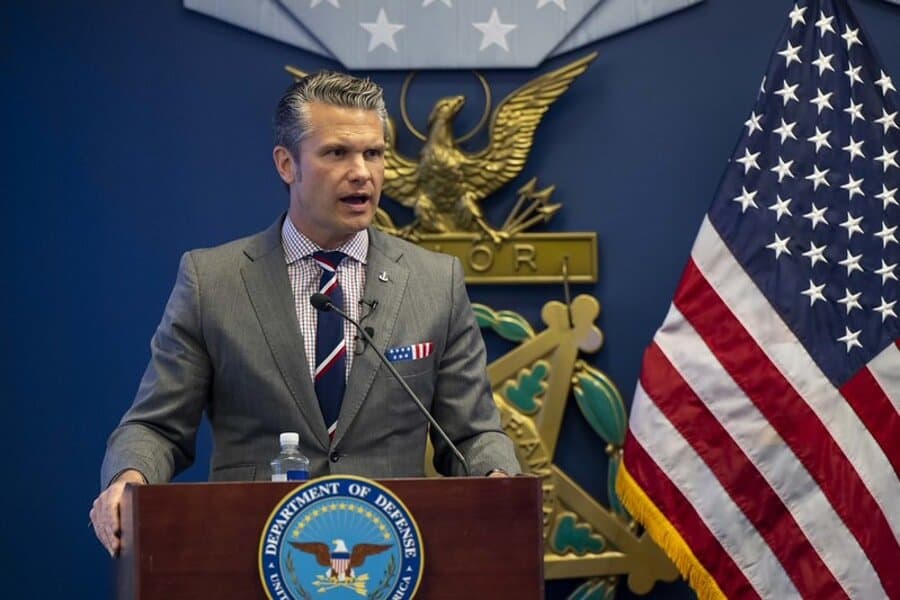
The Trump administration's recent actions against Anthropic have sparked significant legal concerns, with experts warning that the moves exceed statutory authority and appear to be political theater rather than legitimate policy. The controversy centers on Defense Secretary Pete Hegseth's involvement in what critics describe as an overreach of executive power.
According to analysis from Lawfare, the designation of Anthropic as a target for government action raises serious legal issues. The statute in question does not appear to authorize the level of intervention that has been undertaken, suggesting that the administration may be operating outside its legal bounds. This assessment aligns with broader concerns about the Trump administration's approach to technology companies and AI regulation.
The situation has escalated as multiple federal agencies, including the Treasury Department, State Department, and federal housing agencies, have terminated their use of Anthropic products. The State Department has announced plans to switch to OpenAI alternatives, marking a significant shift in government AI procurement practices. These moves appear coordinated and suggest a broader campaign against Anthropic specifically.
Legal experts point out that the administration's actions seem designed more for political theater than for addressing substantive policy concerns. The designation as political theater implies that the moves are intended to demonstrate power and control rather than to achieve specific regulatory or security objectives. This approach raises questions about the motivations behind the government's actions and whether they serve legitimate public interests.
The controversy comes amid broader tensions between the Trump administration and major technology companies. The administration has been pushing for greater government control over AI development and deployment, with Anthropic becoming a particular target due to its stance on AI safety and ethical considerations. The company's approach to responsible AI development appears to have put it at odds with the administration's more aggressive stance on AI deployment.
Senator Ron Wyden, the top Democrat on the Senate Finance Committee, has vowed to fight back against the administration's actions, promising to "pull out all the stops" to contest what he views as an unprecedented attack on a private company. This political resistance suggests that the legal and policy battles over AI regulation and government control are likely to intensify in the coming months.
The legal issues extend beyond just the specific actions against Anthropic. The broader question of executive authority in regulating AI companies and controlling government procurement remains unsettled. The administration's approach appears to be testing the limits of statutory authority, potentially setting precedents that could affect how future administrations interact with technology companies.
Industry observers note that the administration's actions could have chilling effects on AI development and innovation. By targeting companies that prioritize safety and ethical considerations, the government may be sending a message that responsible development practices are not valued. This could influence how companies approach AI development and whether they prioritize safety features that might conflict with government preferences.
The situation also highlights the complex relationship between government agencies and AI companies. As federal agencies increasingly rely on AI tools for various functions, the question of which companies can provide these services and under what conditions becomes increasingly important. The administration's actions suggest a desire to exert greater control over this relationship, potentially at the expense of established procurement processes and legal frameworks.
Legal scholars emphasize that the statutory limitations on executive authority are designed to prevent exactly this type of overreach. The fact that the administration appears to be exceeding these limitations raises fundamental questions about the rule of law and the proper role of government in regulating emerging technologies. The courts may ultimately need to weigh in on whether the administration's actions are legally justified.
The political theater aspect of the designation cannot be overlooked. By making a public show of targeting Anthropic, the administration may be attempting to send broader messages about its approach to technology regulation and government control. However, this approach risks undermining the credibility of legitimate regulatory efforts and could lead to legal challenges that delay or prevent effective policy implementation.
As the situation develops, the legal community will be watching closely to see how courts respond to potential challenges to the administration's actions. The outcome of these legal battles could have significant implications for how AI companies operate and how government agencies interact with the technology sector. The balance between national security concerns, technological innovation, and legal constraints remains a critical issue as AI continues to evolve and expand its role in society.
The controversy surrounding Anthropic represents just one front in the broader battle over AI regulation and government control. As other companies watch how this situation unfolds, they may adjust their own approaches to development and government relations. The legal precedents being established could shape the AI industry for years to come, making the current disputes particularly significant for the future of technology policy.
Ultimately, the legal issues identified by Lawfare suggest that the administration's actions may be more about political messaging than about effective policy implementation. The challenge for courts and Congress will be to determine whether these actions can be justified under existing law or whether they represent an overreach that needs to be curtailed. The outcome of this legal and political battle will likely have lasting implications for the relationship between government and the AI industry.
Comments
Please log in or register to join the discussion