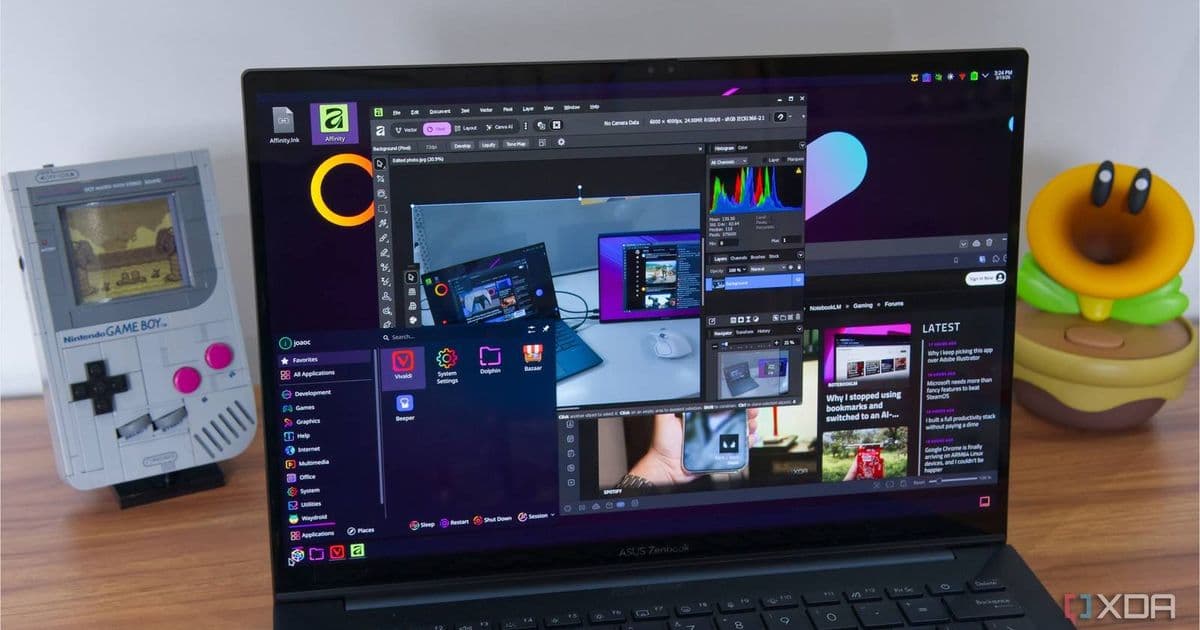
The European Union has committed €1,285,200 to the KDE project through its Sovereign Tech Fund, marking a significant investment in open-source desktop infrastructure as part of a broader strategy to enhance digital sovereignty and reduce dependence on proprietary software like Microsoft Windows.
In a move that could reshape the desktop landscape, the European Union has invested over €1.28 million in the KDE project through its Sovereign Tech Fund. This substantial funding represents a strategic shift toward open-source solutions as the EU seeks to bolster digital sovereignty and create viable alternatives to proprietary software ecosystems.
Understanding the Investment
The Sovereign Tech Fund has allocated €1,285,200 to KDE, a comprehensive free and open-source software project focused on creating graphical user interfaces for operating systems. According to the official KDE blog announcement, this investment aims to "push its essential software products to the next level, providing every individual, business, and public administration with the opportunity to regain their privacy, security, and control over their digital sovereignty."
Fiona Krakenbürger, Technical Director at the Sovereign Tech Agency, expressed confidence in KDE's capabilities, noting that the project's open nature ensures the benefits will extend beyond European borders. This aspect is particularly significant as it means even users outside the EU will benefit from this investment in open-source infrastructure.
What is KDE and Why Does It Matter?
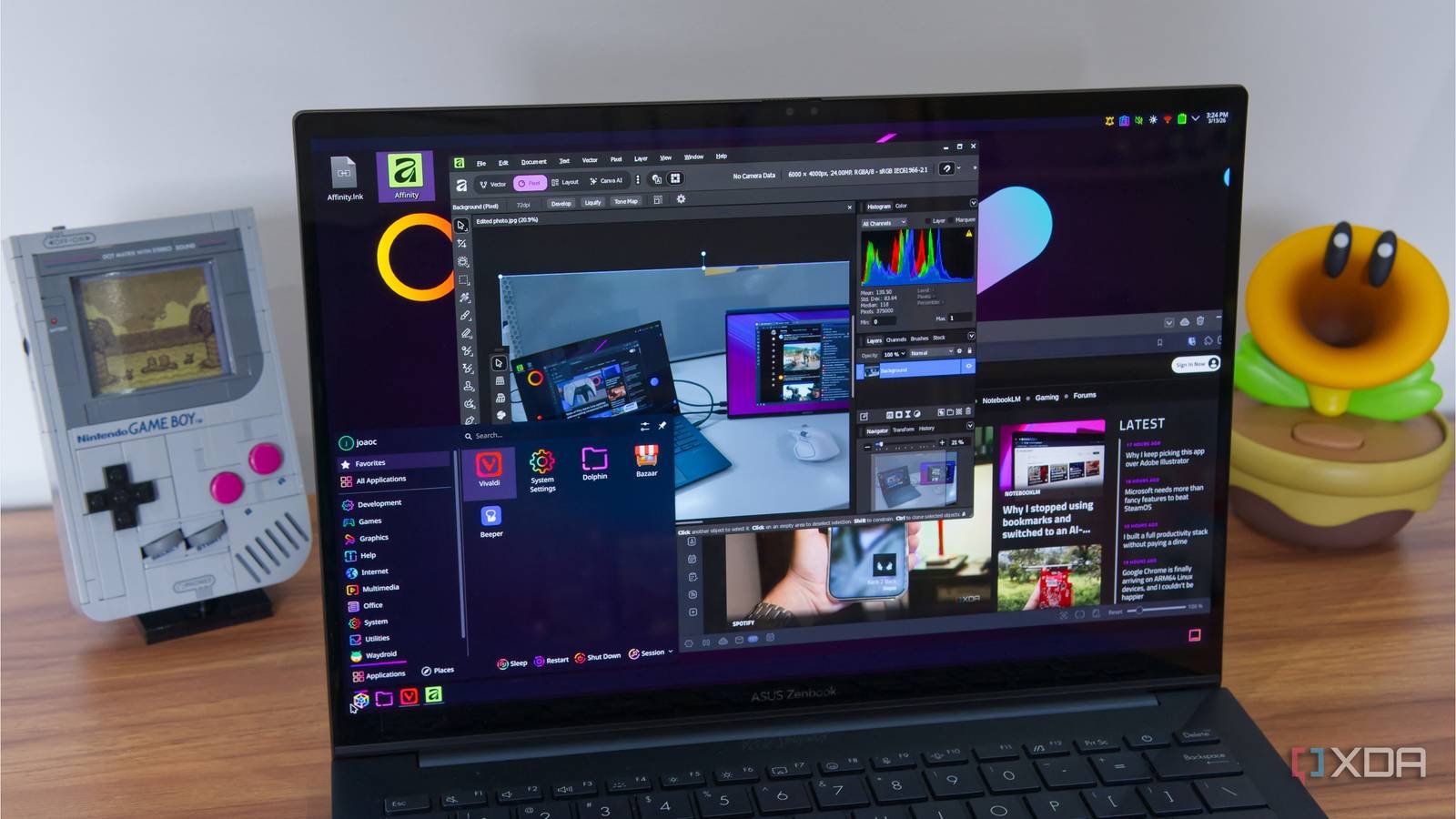
KDE (originally standing for K Desktop Environment) is one of the oldest and most comprehensive desktop environments for Linux and other Unix-like operating systems. Unlike some alternatives that focus on minimalism, KDE provides a full-featured desktop experience that includes:
- The Plasma desktop environment
- Core applications for file management, web browsing, and office productivity
- Development tools and frameworks
- A vast ecosystem of applications and extensions
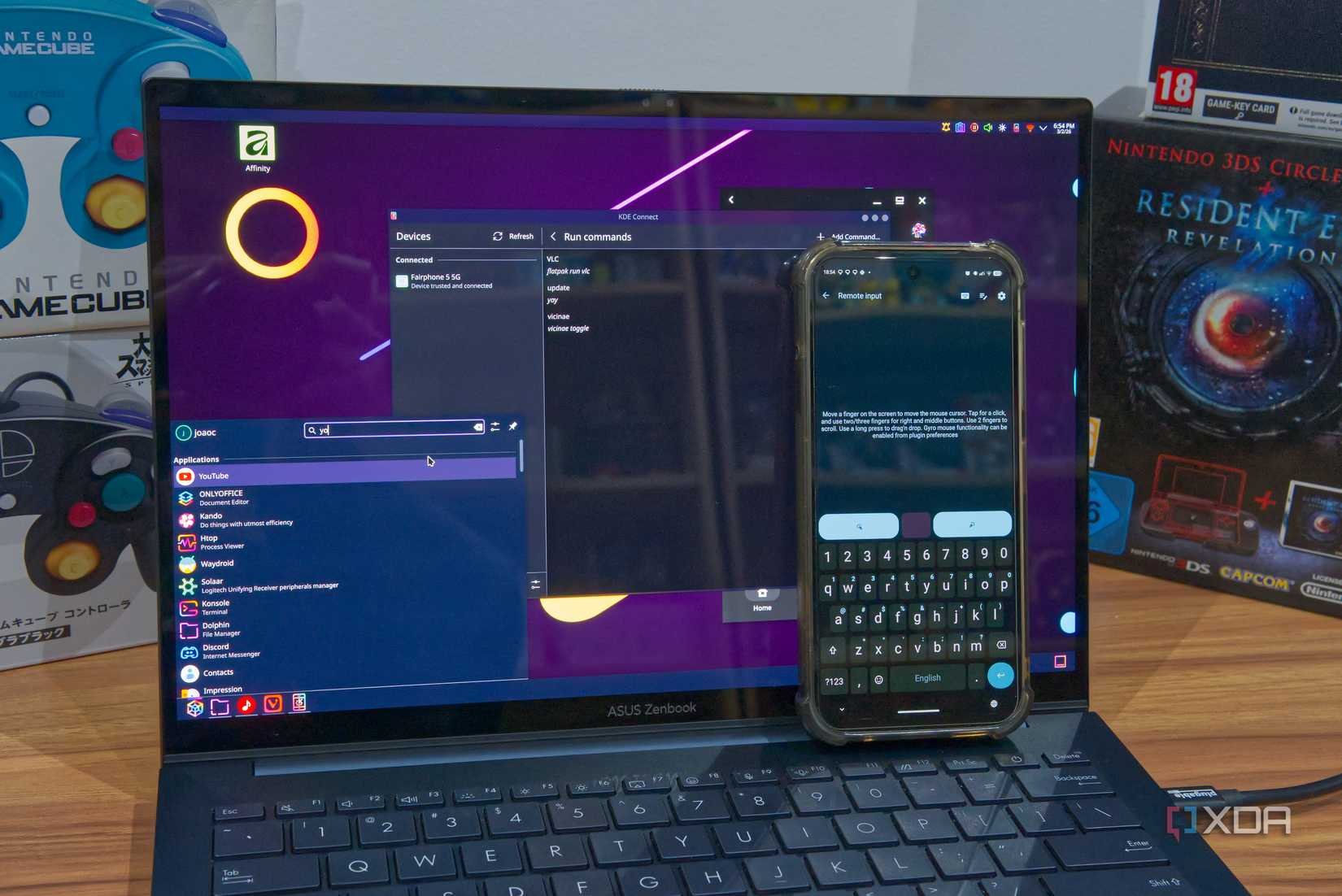
The project's modular architecture allows users to customize their experience extensively, making it an attractive alternative for those seeking control over their computing environment. This aligns perfectly with the EU's goals of digital sovereignty and user control.
Digital Sovereignty: The EU's Strategic Priority
This investment is part of a broader European strategy to reduce dependence on American tech giants and establish greater control over digital infrastructure. The concept of "digital sovereignty" encompasses several key principles:
- Data privacy and protection
- Security through transparency and open standards
- Reducing vendor lock-in
- Supporting local and regional tech ecosystems
- Ensuring long-term maintainability of software
Microsoft's dominance in the desktop space has long been a concern for European regulators. By investing in KDE, the EU is not only supporting an alternative but also creating infrastructure that could eventually replace proprietary solutions in public sector and enterprise environments.
How the Funds Will Be Used
The KDE community has outlined several priority areas for the investment:
Enhanced Testing Infrastructure: Improving automated testing frameworks to ensure greater stability and reliability across different hardware configurations and software environments.
Security Hardening: Strengthening security protocols and conducting regular audits to make KDE a more secure option for sensitive applications.
Communication and Documentation: Improving documentation and communication channels to make KDE more accessible to new users and developers.
Core Infrastructure Support: Maintaining and improving the underlying infrastructure that supports the KDE ecosystem.
These improvements directly address common criticisms of open-source software: perceived reliability concerns, security vulnerabilities, and steep learning curves for new users.
Implications for Desktop Computing
This investment could have several significant implications:
For Developers
- Increased resources for KDE/Qt development
- Better tools and documentation for cross-platform development
- More opportunities to contribute to major open-source projects
- Potential for specialized KDE-based distributions targeting enterprise needs
For Users
- More polished and user-friendly KDE experiences
- Better compatibility with various hardware configurations
- Enhanced security features
- Growing ecosystem of applications optimized for KDE
For the Market
- Increased competition in the desktop space
- Accelerated development of open-source alternatives to proprietary solutions
- Potential shift in enterprise and government adoption patterns
- Greater emphasis on user privacy and control by default

The Broader Context
This investment is not occurring in isolation. It's part of a larger trend of increased support for open-source initiatives:
- The EU's broader digital strategy emphasizes open standards and interoperability
- Similar investments have been made in other open-source projects
- Governments worldwide are increasingly exploring open-source alternatives to reduce vendor lock-in
The timing is particularly interesting as Microsoft continues to dominate the desktop market while facing increasing scrutiny over data privacy and business practices. KDE, with its modular architecture and emphasis on user control, presents an attractive alternative for those seeking more autonomy in their computing experience.
Challenges and Considerations
Despite the optimistic outlook, several challenges remain:
- Application Ecosystem: While KDE has many quality applications, it still lacks the breadth of some proprietary alternatives in certain niches.
- Hardware Compatibility: Ensuring seamless operation across diverse hardware configurations remains a challenge for any desktop environment.
- User Migration: Convincing users to switch from familiar proprietary solutions requires overcoming inertia and addressing learning curves.
- Sustained Investment: Long-term success will require continued support beyond this initial funding period.
The Future of Desktop Computing
The EU's investment in KDE represents a vote of confidence in open-source solutions as viable alternatives to proprietary desktop environments. As the project receives additional resources, we can expect:
- More polished and stable releases
- Enhanced accessibility features
- Improved performance across diverse hardware
- Expanded application ecosystem
- Greater focus on privacy and security by design
For developers and users interested in exploring alternatives to traditional desktop environments, this is an exciting development. The KDE project's commitment to open standards, user control, and privacy aligns with growing concerns about digital rights and autonomy.
Conclusion
The EU's €1.28 million investment in KDE is more than just funding for a software project—it's a strategic move toward a more diverse and sovereign digital ecosystem. By strengthening KDE's infrastructure, testing, security, and communication, the European Union is not only supporting open-source software but also creating alternatives to proprietary solutions that prioritize user control and privacy.
For those interested in exploring KDE, now is an excellent time to get involved. Whether you're a developer looking to contribute, an organization evaluating desktop solutions, or simply a user curious about alternatives to mainstream operating systems, the KDE project is poised for significant growth and improvement in the coming years.
As digital sovereignty becomes an increasingly important consideration in technology policy, investments like this one may signal the beginning of a more competitive and diverse desktop landscape—one where user choice and control are prioritized alongside functionality and convenience.
Comments
Please log in or register to join the discussion