Apple leads European smartphone shipments with 33% market share in Q4 2025, but industry faces turbulent times ahead due to ongoing memory chip shortages.
The European smartphone market experienced a modest 2% growth in the final quarter of 2025, according to new data from Counterpoint Research, but industry analysts warn that this positive momentum may be short-lived as the sector braces for significant challenges in 2026.
Apple Dominates European Market with Strong iPhone 17 Series Performance
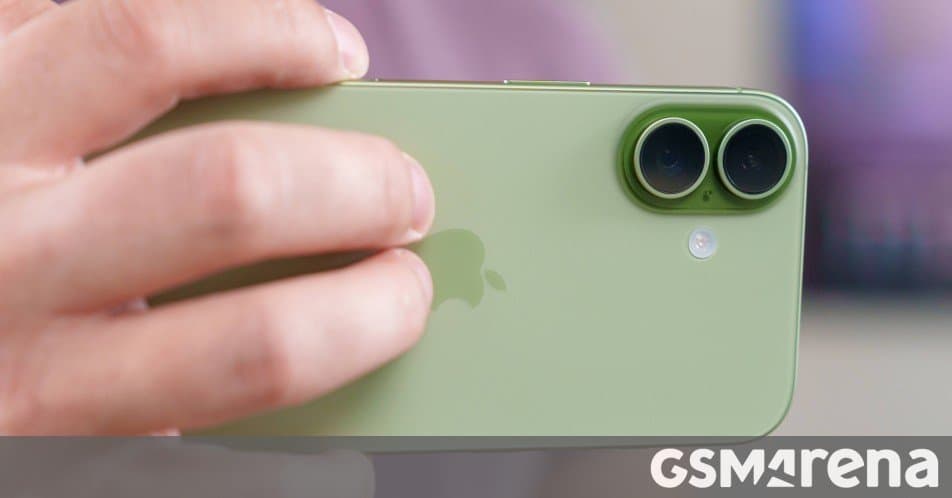
Apple secured its position as Europe's leading smartphone brand in Q4 2025, capturing an estimated 33% of all shipments. The Cupertino giant saw a robust 7% increase in shipments compared to the same period in 2024, driven primarily by strong demand for the iPhone 17 series. The report specifically highlighted exceptional performance in Eastern Europe, where consumers showed particular enthusiasm for the latest iPhone models.
[IMAGE:1]
Pricing for the iPhone 17 series remained competitive in the European market, with the 256GB model starting at €795.00 (£720.77) and the 512GB variant priced at €1,182.05 (£999.00). These price points appear to have struck the right balance between premium positioning and market accessibility.
Samsung Maintains Strong Second Position
Samsung secured the second spot in the European rankings with a 29% market share, achieving a 4% growth in shipments year-over-year. The South Korean tech giant's diverse portfolio, ranging from budget-friendly A-series devices to premium Galaxy S and Z foldable models, continues to resonate with European consumers across different market segments.
Xiaomi Faces Challenges Despite Third-Place Finish
Xiaomi maintained its position as the third-largest smartphone vendor in Europe with a 16% market share. However, the company faced headwinds during the quarter, experiencing a 6% decline in shipments. The report attributes this downturn to subpar demand for the Xiaomi 15T series, suggesting that the company's latest mid-range offerings failed to generate the expected consumer excitement.
Honor and Realme Show Mixed Results
Honor demonstrated impressive growth, capturing 4% of the European market with an 18% increase in shipments. The brand's strong momentum across Western Europe indicates successful market penetration strategies and appealing product offerings.
Realme, on the other hand, faced significant challenges, securing only 3% market share while experiencing a substantial 21% decline in shipments compared to Q4 2024. This dramatic drop suggests the brand may be struggling to maintain relevance in the competitive European market.
Memory Chip Crisis Threatens 2026 Outlook
Despite the positive Q4 performance, Counterpoint Research warns of turbulent times ahead for the European smartphone market. The ongoing memory chip crisis is expected to create significant headwinds throughout 2026, with projections indicating substantial demand contraction.
Brands heavily dependent on the entry-level market segment are likely to face the most severe challenges. The memory chip shortage could lead to increased component costs, supply chain disruptions, and ultimately higher prices for budget-conscious consumers.
Market Implications and Consumer Impact
The memory chip crisis could reshape the European smartphone landscape in several ways:
- Price Increases: Budget and mid-range devices may see price hikes as manufacturers pass on increased component costs to consumers.
- Supply Constraints: Popular models, especially in the entry-level segment, could face availability issues.
- Shift in Consumer Behavior: Price-sensitive buyers might extend device replacement cycles, potentially slowing overall market growth.
- Opportunity for Premium Brands: As entry-level options become less accessible, premium brands like Apple and Samsung could capture additional market share.
Reader Perspectives
Industry observers have already begun analyzing the implications of these trends. One reader commented on Xiaomi's performance, suggesting that the company's decision not to launch the 17 Pro Max globally for the holiday season significantly impacted its sales. The commenter noted that a global launch of this flagship model could have dramatically improved Xiaomi's market position.
Another perspective highlighted Realme's apparent struggle to maintain market relevance, describing the brand as "drifting" in the competitive European landscape.
The European smartphone market's modest Q4 growth masks underlying vulnerabilities that could become more apparent as the memory chip crisis unfolds. While Apple and Samsung appear well-positioned to weather the storm, brands like Xiaomi, Honor, and Realme may need to adapt their strategies quickly to maintain their market positions in an increasingly challenging environment.
[IMAGE:2]
As the industry navigates these challenges, consumers can expect to see shifts in product availability, pricing strategies, and potentially even the types of devices that manufacturers choose to prioritize in the European market.
Comments
Please log in or register to join the discussion